Choosing a Good Laminating Machine for Your Business

application/good-laminating-machine, application/good-laminating-machine, 
Inquiry
Inquiry

good laminating machine

Choosing the right  laminating machine is crucial for businesses looking to enhance the durability  and presentation of their products,  especially  in industries  such  as  packaging,  printing, and manufacturing. A  good laminating  machine not  only  provides protection but also  improves the visual appeal of items. This article will  address key considerations for selecting  a laminating machine that meets  your operational needs, the cost factors associated with bulk orders,  common  issues you may  encounter, quality control in manufacturing, and the various applications of laminating machines across different industries.

 
Understanding the Cost Factors for Bulk Orders of Laminating Machines

Understanding the Cost Factors for Bulk Orders of Laminating Machines

The cost of a laminating  machine can vary significantly  based on  several factors, particularly when ordering in bulk. Firstly, the type of machine—whether manual, semi-automatic, or fully automatic—will affect the price. Fully automatic  machines generally  have  higher  upfront costs but can lead to reduced labor costs  over time.

Volume discounts are another critical consideration. Many manufacturers, including Wenzhou Unitely Machinery  I/E  Co., Ltd.,  offer reduced prices for larger  orders,  which can provide substantial savings for businesses looking to  invest in multiple units.

Additionally, the complexity of the machine’s features, such as digital controls,  multiple lamination speeds, and  additional functionalities like cutting or  trimming,  can influence the overall price.  Don’t forget to factor in shipping costs,  potential import duties, and installation expenses, as these can add to the total investment.

Common Problems with Laminating Machines and Their Solutions

Common Problems with Laminating Machines and Their Solutions

Laminating  machines, like any equipment, can  encounter issues that may affect production. One common problem is the laminating film jamming, which can occur  if the machine is overloaded  or if the film is not fed  correctly. To mitigate this, ensure that the film  is compatible with the machine's specifications  and that you follow  the manufacturer's guidelines for loading.

Another issue is uneven lamination, which can result from  incorrect temperature settings or a worn-out roller. Regular maintenance and cleaning of the rollers  can help prevent this problem. If you notice that the  lamination  is  not adhering properly, it may also indicate that the film is not  compatible  with  the materials being laminated, necessitating a review of your material choices.

Finally, if the machine  is producing bubbles or wrinkles, it may be due to excessive  moisture in the materials or incorrect temperature  settings. Conducting a thorough check of the materials and adjusting the settings based on  the specific requirements can help resolve these issues.

Quality Control Measures in the Manufacturing of Laminating Machines

Quality Control Measures in the Manufacturing of Laminating Machines

Quality control  is essential in the manufacturing of laminating  machines to ensure reliability and performance. At Wenzhou Unitely Machinery  I/E Co., Ltd., each machine  undergoes stringent  testing before  shipment. This includes  assessing the  machine's operational  efficiency, durability, and compliance with  safety  standards.

One critical quality control  measure is the inspection of raw materials.  The quality of  the components used directly affects the machine's longevity and performance.  Regular audits  and supplier evaluations can help maintain high standards.


Additionally, implementing a robust testing protocol, including performance testing under various conditions,  ensures that  the machines meet the  expected operational standards. Suppliers should provide detailed documentation of these tests, including any certifications that demonstrate compliance with industry regulations.

Applications of Good Laminating Machines in Various Industries

Laminating machines find applications across numerous industries,  enhancing product durability and aesthetics. In the packaging industry, they are commonly used to produce moisture-resistant packaging, improving shelf life  and product  protection during transportation.

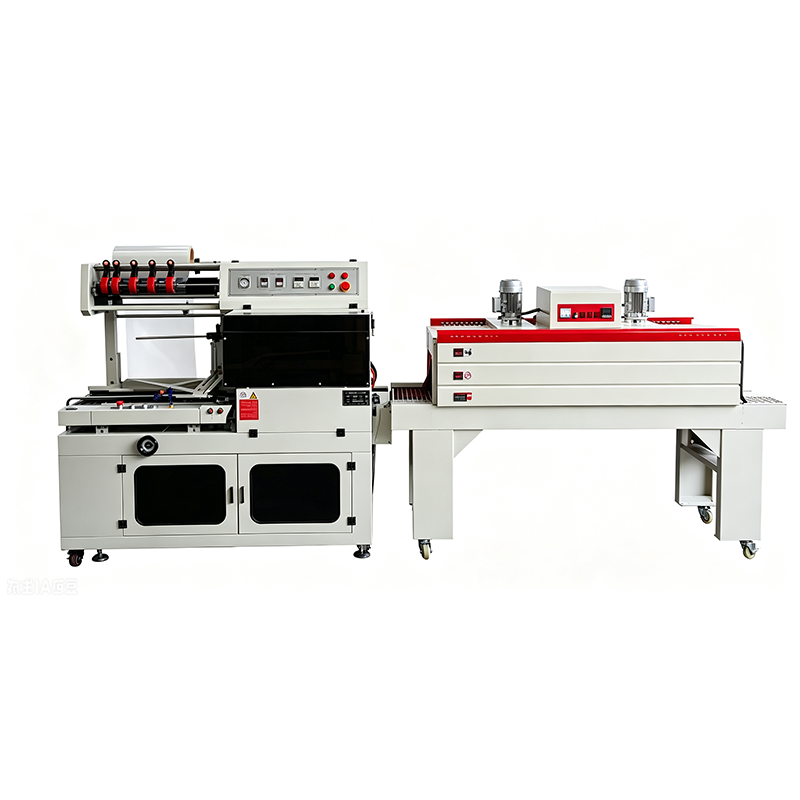
In the printing  sector, laminating machines are  essential for  creating  high-quality prints that are resistant to scratches and fading. This is particularly important for promotional materials, menus, and signage, where presentation  is crucial. For instance, the BJ-450 Automatic Side Seal Shrink Packaging Machine offers excellent results for packaging needs.

Furthermore, the  education sector utilizes laminating machines for protecting teaching  materials, posters, and educational aids, ensuring they withstand  frequent handling. In the corporate environment, laminating machines are used for  creating  professional documents, ID cards, and certificates, which require a polished finish.

Overall, the versatility  of laminating machines makes them a valuable asset in any industry where presentation and product protection are paramount.

In summary,  investing in a good laminating machine requires careful consideration of your specific needs, understanding the associated costs, being  aware of common operational challenges, ensuring stringent quality control in manufacturing, and  recognizing  the diverse applications across  industries. By addressing these factors, you can make an informed decision that enhances your business operations and  product offerings.

What to Consider When Choosing a Good Laminating Machine for Your Needs

When selecting a good laminating machine, several factors should be evaluated to ensure it aligns with your specific requirements. Firstly, consider the laminating process—whether you need a hot  or cold laminator. Hot laminators are ideal for thicker materials and provide a robust seal, while cold laminators are suited  for heat-sensitive items.


Another important consideration is the size and thickness of  the materials you intend to laminate. Ensure that  the machine can accommodate the dimensions of your products and supports the thickness of the laminating  film you plan to use. In addition, check the  machine's speed and output capacity, as these will  impact your production efficiency.

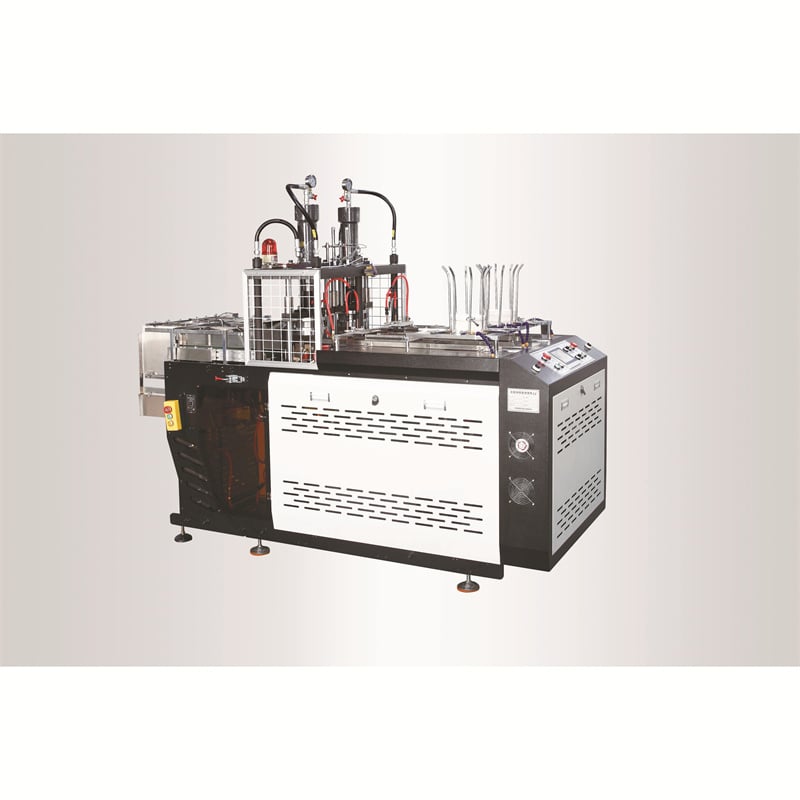
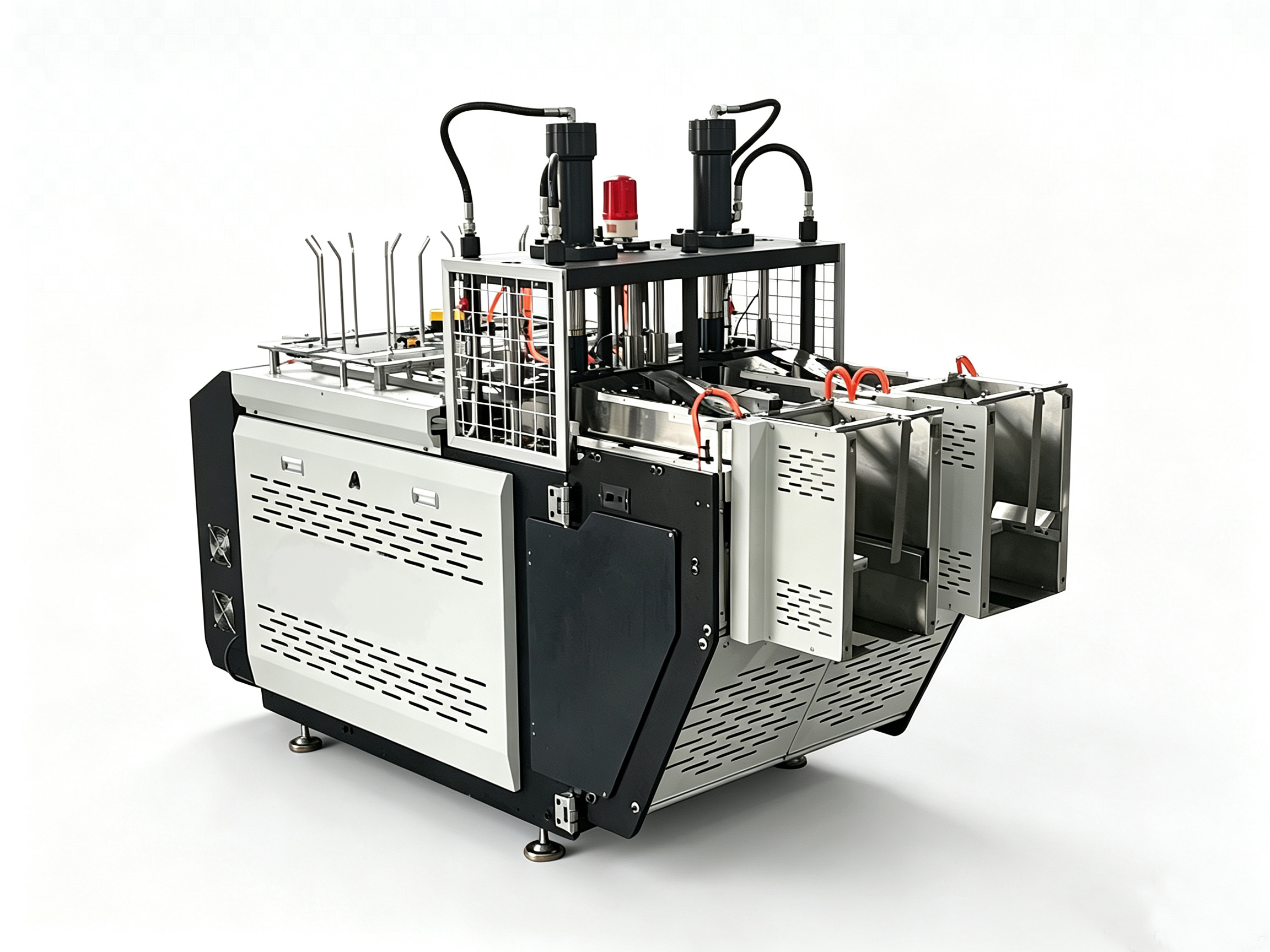
Customization capabilities are  also  vital.  If your business requires specific features or configurations,  such as the ability to laminate unusual  sizes or shapes,  ensure the machine can be  tailored to fit your needs.  Additionally, evaluate the manufacturer's  after-sales  support and warranty options, as a reliable support  system can significantly reduce  downtime in case of machine issues. For example, the 25 Tons Pressure Paper Plate Machine PT25 Hydraulic is designed with customization in mind.

Get a Free Quote

Our representative will contact you soon.
0/1000