Choosing the Right Thermal Laminating Machine

application/thermal-laminating-machine, application/thermal-laminating-machine, 
Inquiry
Inquiry

thermal laminating machine

Thermal laminating machines  play a crucial role in enhancing  the durability and visual appeal of  printed materials by applying  a protective film over them.  For  B2B buyers, especially those in manufacturing, packaging,  and printing industries, understanding the selection criteria, specifications, and potential  challenges  associated with thermal laminating  machines is essential. This  article  aims to provide insights  into  what  to consider  when choosing a thermal laminating  machine,  how to evaluate quality, key  specifications  to look for, common issues, and installation guidance.

How to Evaluate the Quality of Thermal Laminating Machines

How to Evaluate the Quality of Thermal Laminating Machines

Quality assessment of thermal  laminating machines can  be approached through various lenses, including build quality, performance, and service support. Begin by examining the construction materials  and components used in the machine. A  sturdy build can withstand the rigors of  continuous operation  and reduce maintenance needs over time.

Performance  can be evaluated  through user  reviews and case studies. Look  for feedback on the machine's reliability, consistency in lamination  quality, and ease of  use. It's wise to seek out demonstrations or samples of laminated materials to  assess the finish quality—such as clarity, adherence, and overall appearance.

Finally, after-sales service and support are  critical  for long-term satisfaction. Investigate the manufacturer's reputation  for  customer support, the availability of spare  parts, and the warranty offered. A robust  support system can significantly reduce downtime and  enhance operational efficiency.

Key Specifications to Look for in a Thermal Laminating Machine

Key Specifications to Look for in a Thermal Laminating Machine

When analyzing thermal  laminating machines, certain specifications are key to ensuring optimal performance:

Laminating Width: Ensure the machine can accommodate the size of  materials you  typically work with.  Wider machines are necessary for larger prints.

Temperature Control: Precise temperature settings are  crucial for  different types of films  and  substrates. Machines with digital controls allow for better  accuracy and consistency.

Speed Settings: Look for  variable speed  options that enable you to adjust according to the material  being processed. Fast speeds are beneficial for high-volume runs, while slower speeds can be advantageous for  more delicate materials.

Roller Configuration: The number and type of  rollers (e.g., heated, silicone) affect the laminating process. Higher quality machines often feature multiple rollers to ensure even  heat distribution and consistent pressure.

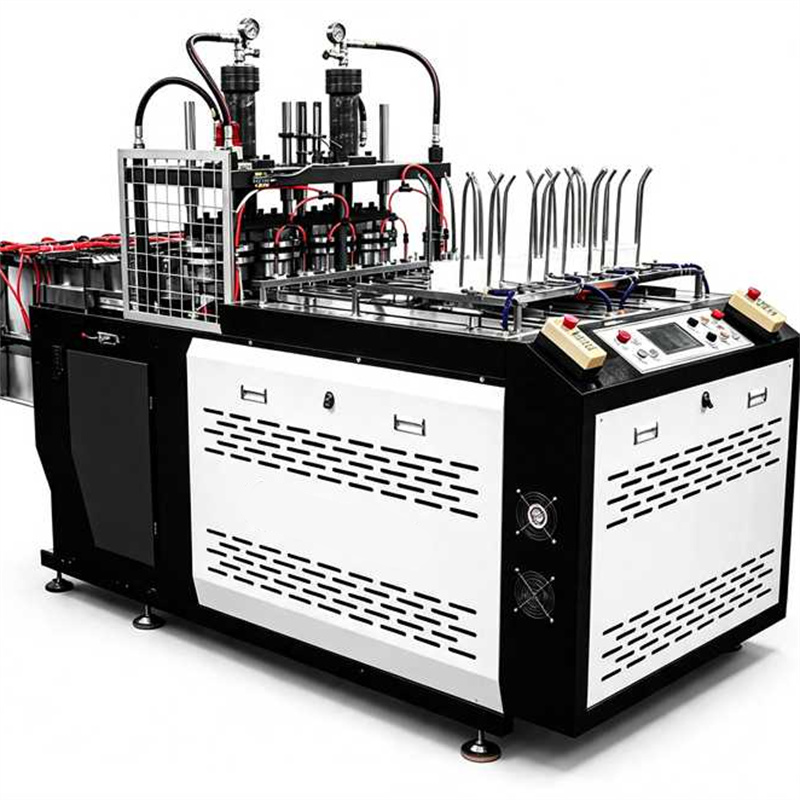
Film  Compatibility: Verify the types of lamination films the machine can  handle. This may include matte, glossy, or textured finishes, depending on your application needs. For those interested in high-speed options, check out the High speed paper plate making machine (Hydraulic type).

By scrutinizing these specifications, you can select a machine that aligns with your production objectives and material handling requirements.

Common Problems with Thermal Laminating Machines and Their Solutions

Common Problems with Thermal Laminating Machines and Their Solutions

Thermal laminating machines can encounter several issues during operation. Here are some  common problems along with their solutions:

Wrinkling and  Bubbles: This often occurs  due  to improper temperature settings or the use of incompatible films. Ensure that the film is suitable for your substrate and adjust the  temperature  according to the manufacturer's recommendations.

Poor Adhesion: If the laminate does not adhere well, check for dust or debris on the substrate surface before lamination. Also, ensure the correct roller pressure is applied throughout the process.

Jams: Paper  jams can result  from using  materials that exceed the machine’s specifications. Regular maintenance and cleaning can prevent this issue, along  with  using the correct material dimensions.

Inconsistent Finish: This problem may arise from uneven heating  or pressure.  Regular calibration and maintenance of  the machine are  essential to achieve consistent results.

Addressing these issues  proactively can  significantly enhance the operational efficiency of  your thermal laminating machine.

Installation Guidance for Your New Thermal Laminating Machine

Proper installation is crucial for the  optimal performance of a  thermal laminating machine. Start by reviewing the manufacturer’s installation manual thoroughly. Ensure that the machine is placed on a stable, level surface to minimize vibrations  during  operation.

Next,  verify that the electrical supply  matches  the machine’s requirements.  Consult an  electrician if necessary to ensure  safe and proper electrical connections.  Additionally, check that ventilation is adequate, especially for machines that may emit fumes during operation.

Once installed, conduct a  test run  using  scrap materials to calibrate settings  and ensure everything is functioning correctly. This initial setup phase is vital  for identifying any  potential issues before commencing full-scale production.

By following these guidelines, you can ensure a smooth  installation process and set the stage for efficient operations with your new  thermal laminating  machine.

What to Consider When Choosing a Thermal Laminating Machine for Your Business

When selecting a thermal laminating machine, several factors need to be taken into account to ensure  it meets your business requirements. First, consider the scale of production. A machine suitable for  a small  print  shop  may differ significantly  from one designed for high-volume  manufacturing. Evaluate the types of materials you will be laminating—different substrates (paper, cardstock,  or synthetic materials) may require specific  machine capabilities. If you're also looking for a versatile option, consider our BJ-CHF Food Box Making Machine With Compartments.

Another critical consideration is the  thickness of the laminating film. Machines are designed to  work with  varying film thicknesses; thus,  understanding your requirements will help  narrow down  your  options. Additionally, assess the machine's speed and efficiency, as these factors can directly impact your production timelines and costs.

Lastly,  think about your  future needs. If expansion or increased production is on  the horizon, consider a machine with flexible features or customization options that can adapt to your evolving  business needs.

Get a Free Quote

Our representative will contact you soon.
0/1000