How to Choose the Right Professional Laminator

application/professional-laminator, application/professional-laminator, 
Inquiry
Inquiry

professional laminator

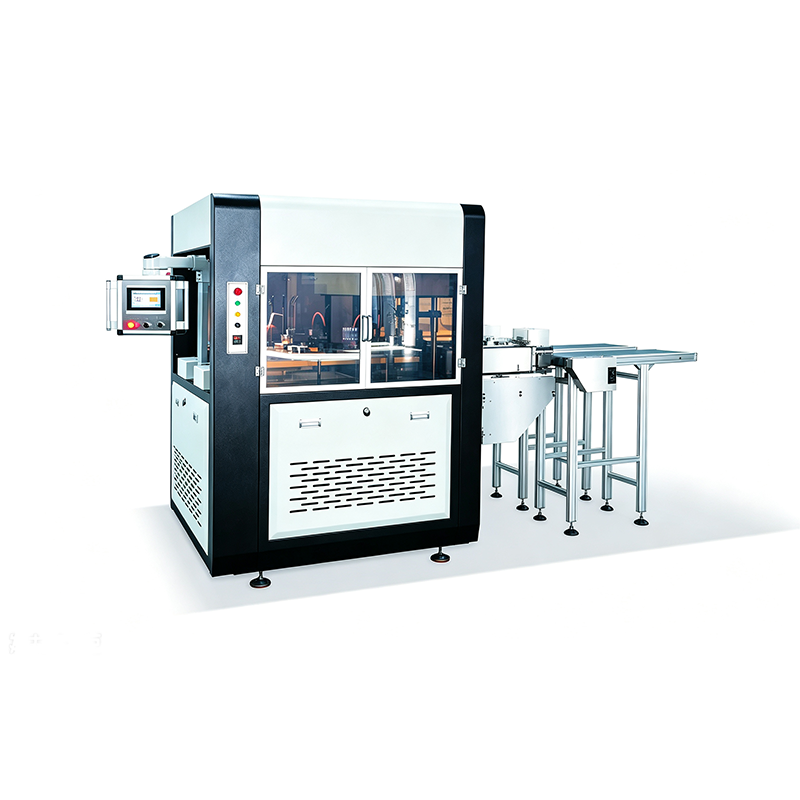
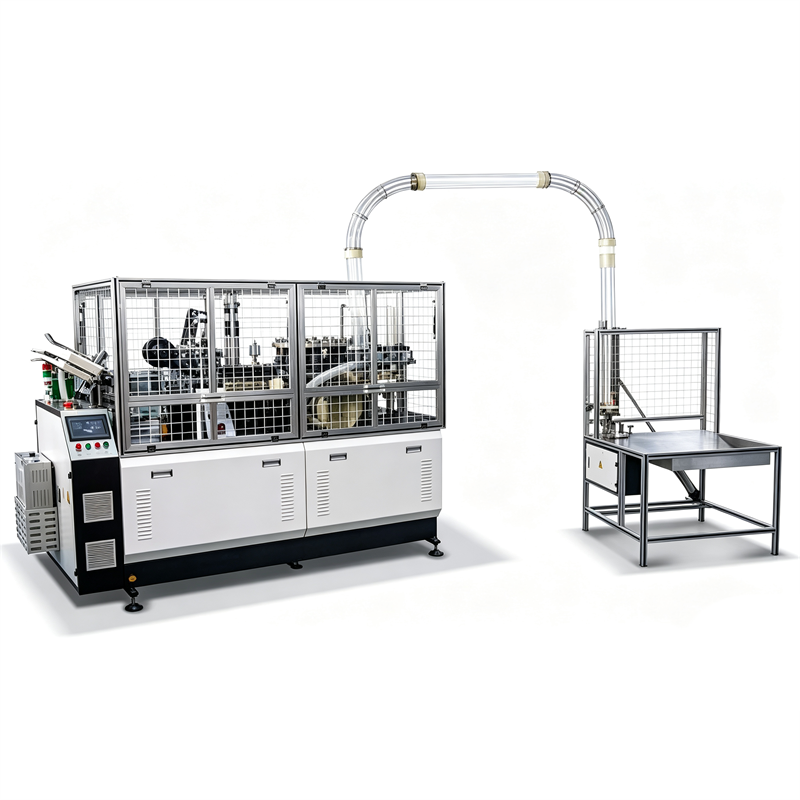
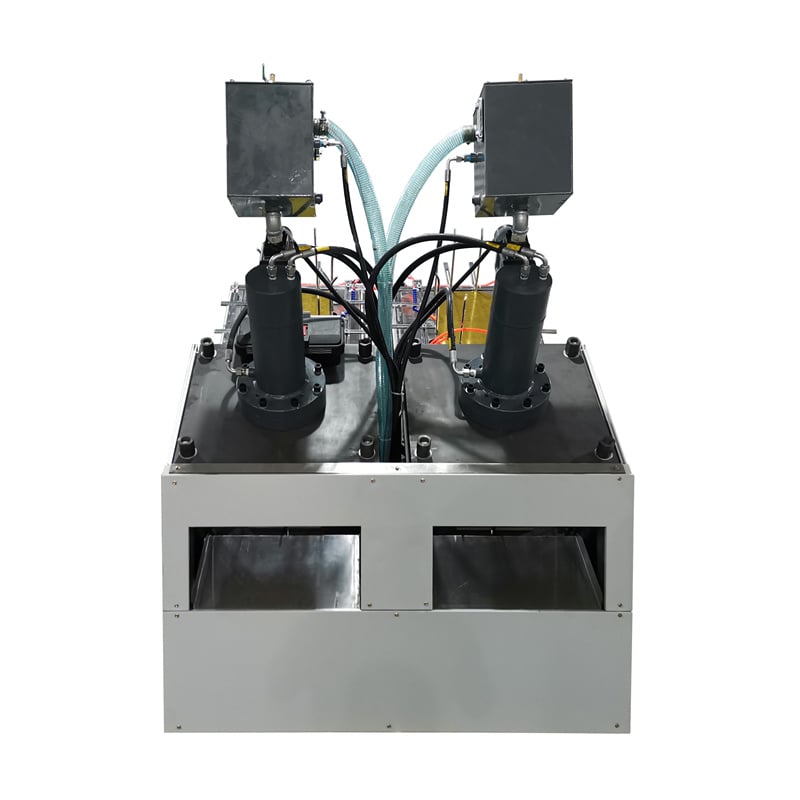
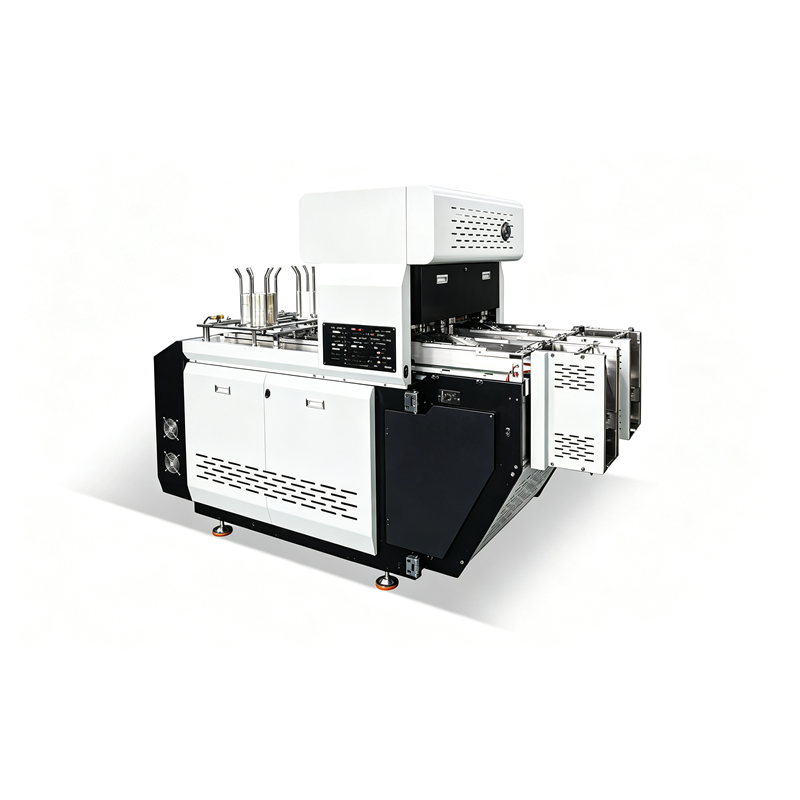
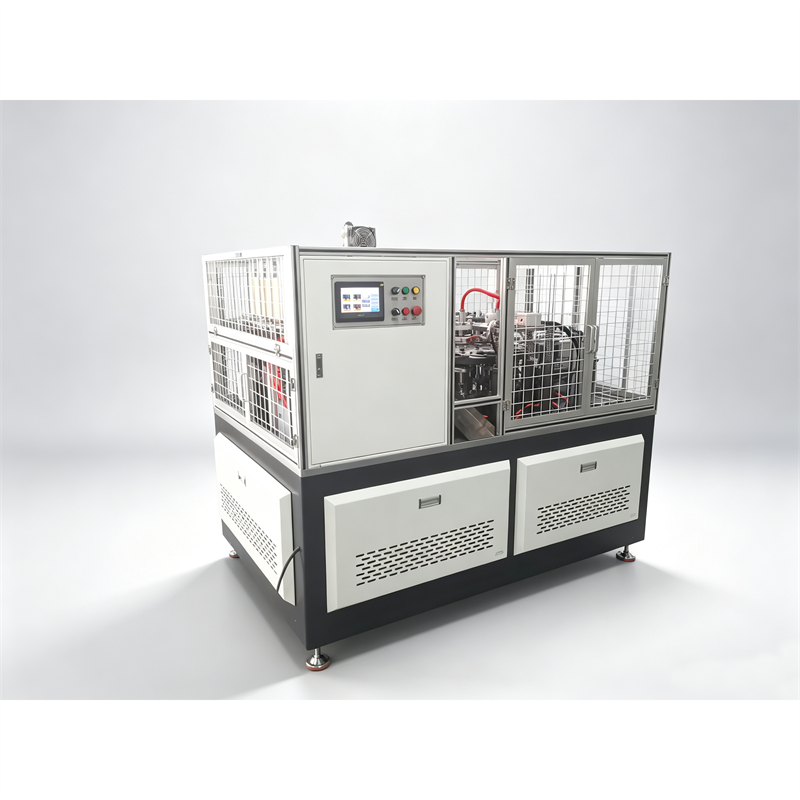
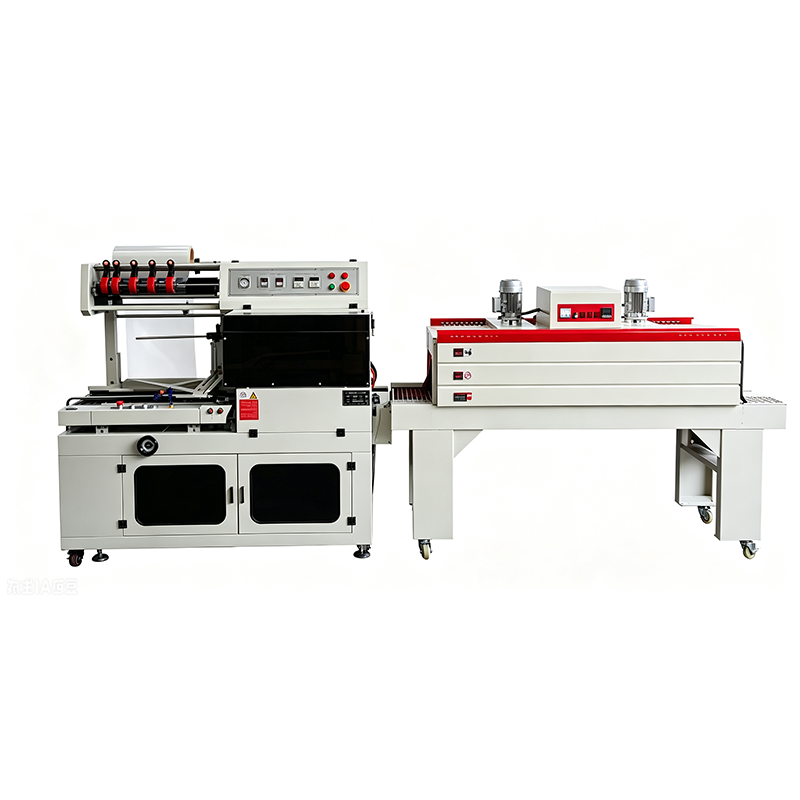
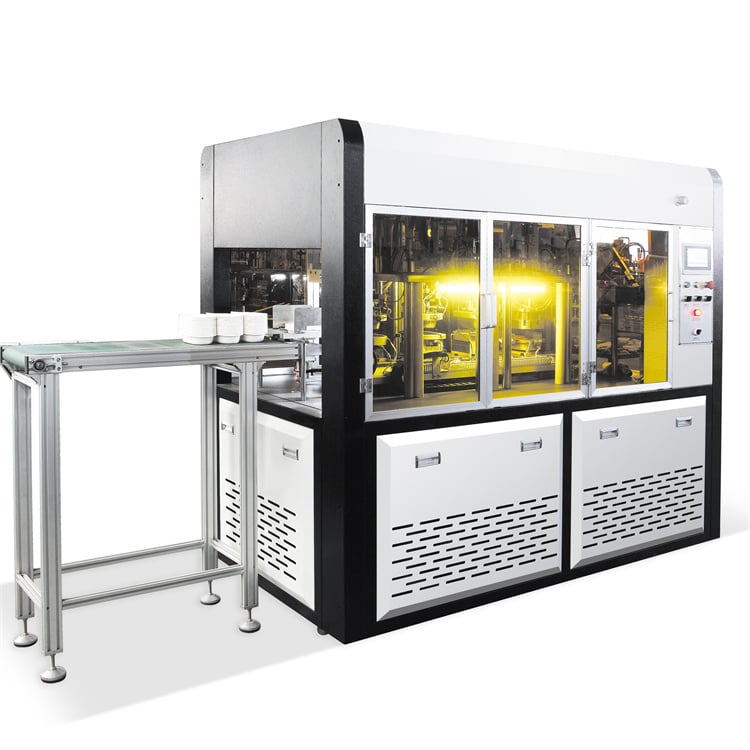
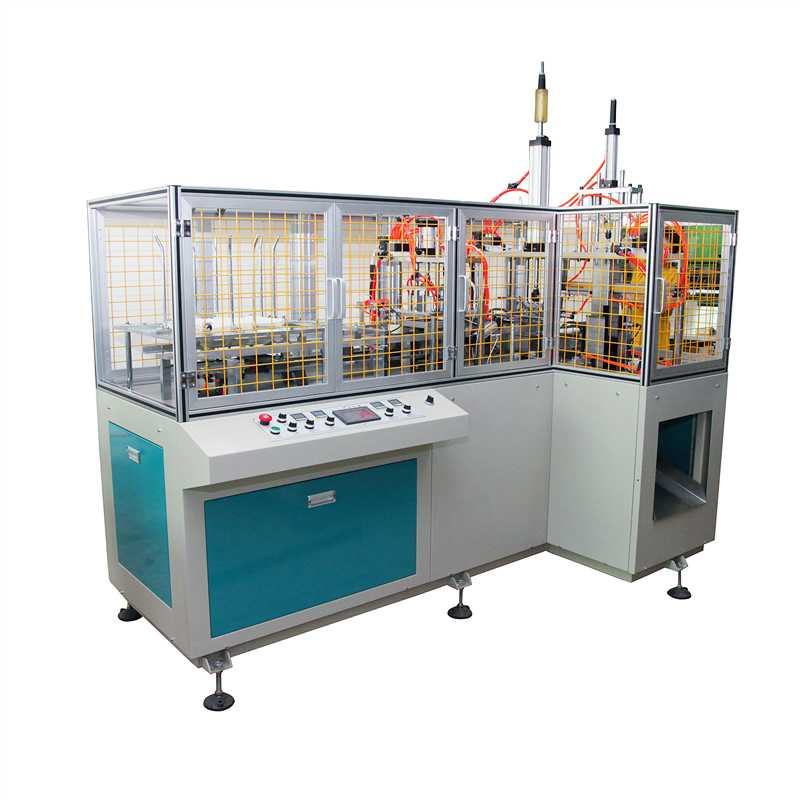
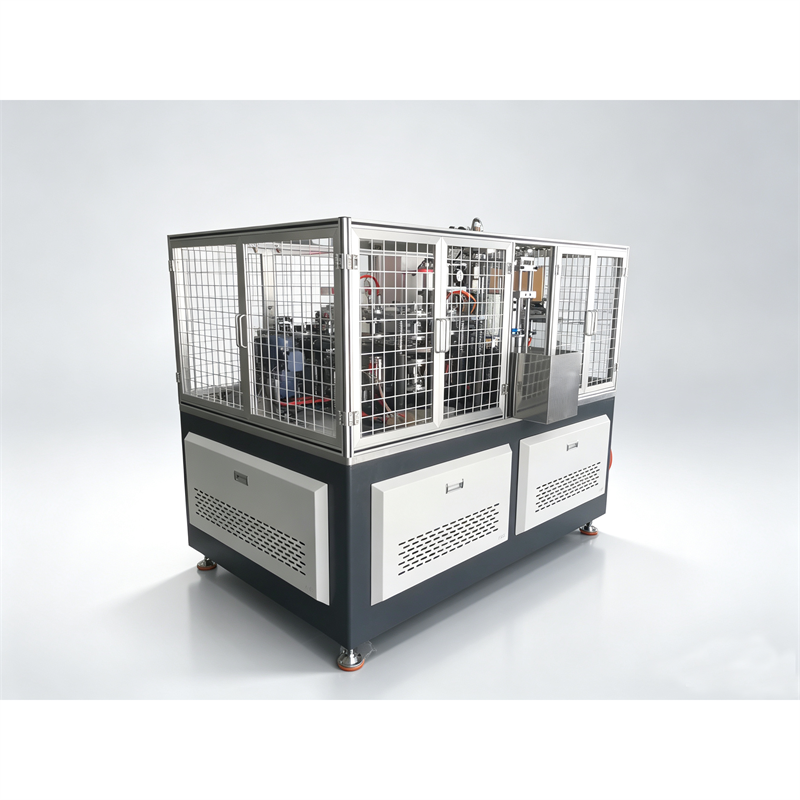
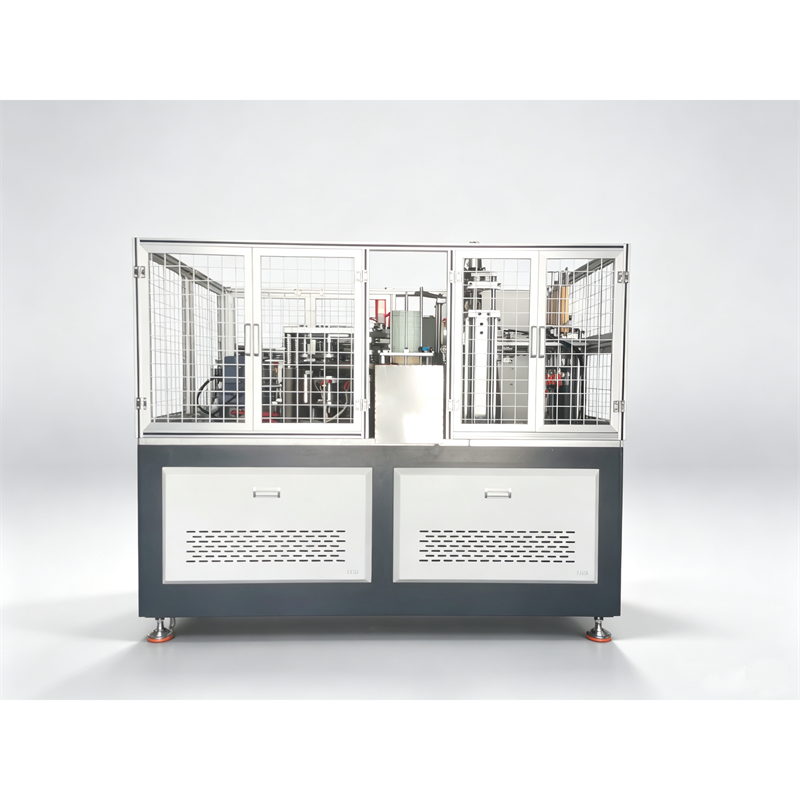
Professional laminators  are essential machines in the manufacturing landscape,  particularly  for businesses that prioritize quality  and durability in their finished products. These machines are  designed to apply a protective  layer over  printed  materials, enhancing their appearance while  providing moisture resistance  and durability. For B2B buyers, understanding  the ins and outs of professional laminators is crucial. This article will guide  you  through selecting the right laminator for your  needs, sourcing  reliable options,  comparing top products, exploring  their applications across various  industries,  and evaluating the materials involved in their  production.

Where to Source Reliable Wholesale Professional Laminators

Where to Source Reliable Wholesale Professional Laminators

Sourcing professional  laminators  can be  a daunting task, but several avenues can lead you to reliable suppliers.  Start by researching manufacturers who specialize in laminating equipment.  Look  for companies with a solid reputation for quality and service, such as Wenzhou Unitely Machinery I/E Co., Ltd., known for their eco-friendly paper container machinery and  strong after-sales support.


Trade shows and industry  exhibitions are excellent opportunities  to connect with manufacturers and suppliers. Attending these events allows you to see machines in action, ask questions, and gauge the  reliability of  the companies.

Online marketplaces provide another avenue for sourcing professional laminators. Websites that  specialize in industrial equipment often  feature reviews and ratings, which can guide  your decision. However, ensure that  you  verify  the credibility  of  the supplier and confirm their manufacturing capabilities and certifications.

Comparing the Top Professional Laminators for Bulk Orders

Comparing the Top Professional Laminators for Bulk Orders

When comparing professional laminators, focus on several critical  specifications that impact performance and  suitability for bulk orders. Key factors  include:

Production Capacity: Determine the machine’s output  per hour. For bulk orders, a higher capacity will save time and improve efficiency. Heat  Settings: Many  professional laminators come with  adjustable heat settings, allowing for better control over  the laminating process depending on the material used. Roll Widths: Ensure that the laminator  can accommodate the widths of the  materials you typically use. Some machines are designed for wider rolls, catering to large-format  applications.

Additionally, consider  the build  quality and the warranty offered. A robust machine with a comprehensive warranty will provide peace of mind,  especially  for high-volume operations.

Finally, review examples  of past projects  or customer testimonials from  suppliers to gauge  their reliability  and the performance of their laminators in real-world settings.

Applications of Professional Laminators in Various Industries

Applications of Professional Laminators in Various Industries

Professional  laminators are versatile and find applications across multiple industries. In  packaging, they are  used to enhance the durability of labels, food packaging, and promotional  materials, ensuring that  products  remain visually appealing  and protected during transport and handling.

In  the  printing industry, laminators are vital for producing high-quality prints that resist fading, moisture, and scratches. They are  often utilized in creating business cards, brochures,  and  signage, where presentation is  key.

Moreover, professional laminators serve educational sectors for laminating documents, posters, and learning materials, extending their lifespan  and usability. The healthcare industry also employs laminators for preserving important  documents  and signage that must withstand frequent cleaning. For example, laminators are crucial in ensuring that eco-friendly paper meal boxes maintain their integrity in various environments.


Understanding the specific applications  in your industry can help you select the right laminator that meets your operational needs and  enhances your product  offerings.

Evaluating Material Advantages in Professional Laminator Production

The materials used in the production of laminating films and the laminators themselves play a crucial role in the final product's quality and performance. Common materials  for laminating films include polypropylene (PP), polyethylene (PE), and  polyester (PET), each offering unique advantages.

  Polypropylene is lightweight and provides excellent clarity and resistance to moisture, making it suitable for a  range of applications. Polyethylene offers greater durability and is often used for items needing additional strength and flexibility. Polyester  films  are known for their high-temperature resistance and durability, ideal for high-end applications  that  require long-lasting protection.

When evaluating laminators, consider the compatibility of the machine with these materials. The  machine's design, including heat settings and roller  pressure, should accommodate the  specific properties  of the film used.

Ultimately, selecting the right materials  and ensuring your laminator can effectively work with them will enhance the  quality of your laminated products, ensuring they meet both aesthetic and functional requirements.

By understanding the selection criteria, sourcing options, and applications of professional laminators,  you can make informed decisions that align with your business needs.  Ensure to partner with  reputable manufacturers who can provide the necessary support and customization  options to optimize  your  laminating processes.

How to Choose the Right Professional Laminator for Your Needs

When selecting a professional laminator, consider several key factors to ensure it meets your specific requirements. First, evaluate the types of materials you will be  laminating. Different laminators cater to various  materials such as paper, cardboard, or plastic  films. Understanding  your primary substrates  will help narrow your options.

Next, assess the laminating thickness that you require. Professional laminators typically accommodate a range  of film thicknesses, which can affect durability and appearance. Thicker films provide greater protection  but may limit flexibility, while thinner films can enhance the visual appeal but  may not  offer the same  level of protection.

Another crucial consideration is the size and speed of the laminator. For  high-volume operations, a larger machine with faster  throughput will improve efficiency. However,  if your production needs are smaller or more specialized, a compact model may  be more appropriate.

Lastly, consider any customization needs. Some manufacturers, like Wenzhou  Unitely Machinery I/E Co., Ltd., offer OEM/ODM services that allow buyers to tailor machines to their  specific requirements,  ensuring  optimal  performance and  suitability for unique applications. For instance, companies specializing in paper box forming machines can provide unique solutions that complement laminating processes.

Get a Free Quote

Our representative will contact you soon.
0/1000