Laminator Lamination Machines: Key Specs & Sourcing

application/laminator-lamination-machine, application/laminator-lamination-machine, 
Inquiry
Inquiry

laminator lamination machine

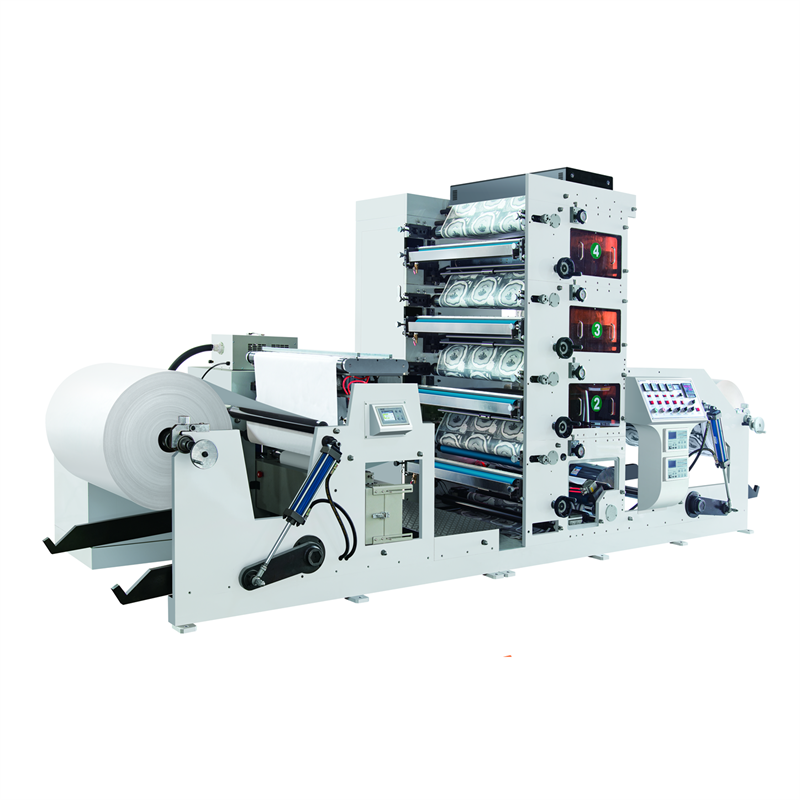
Laminator lamination machines are essential tools for businesses looking to enhance the durability  and presentation of  their printed  materials. These machines apply a protective  layer of plastic film to paper or  other substrates,  providing resistance against  moisture, dirt, and wear.  For B2B buyers, selecting the  right  laminator lamination machine involves understanding  various  specifications, sourcing  reliable suppliers, comparing options for  bulk orders, ensuring quality control, and confirming  long-term reliability.  This  article will guide you through these  key aspects  to help you make informed  purchasing decisions.

Where to Source Reliable Laminator Lamination Machines Wholesale

Where to Source Reliable Laminator Lamination Machines Wholesale

Sourcing reliable  laminator lamination  machines wholesale requires careful consideration of potential suppliers. Start by researching manufacturers with a strong reputation in the industry, such  as Wenzhou  Unitely Machinery I/E Co., Ltd., known for its eco-friendly paper container machinery and flexible  OEM/ODM  services.


Supplier Reputation: Investigate the track record of potential  suppliers through online reviews, industry forums, and case studies. Look for testimonials from other businesses that have purchased laminators from these suppliers.

Certifications and  Compliance: Verify whether  the supplier adheres to relevant industry standards and holds certifications  that assure quality  and safety. This  is particularly crucial for machinery that will be used in high-volume production settings.


Post-Sale Support: Evaluate the level of after-sales support offered by suppliers.  Reliable support can  include installation assistance, maintenance  services, and access to spare parts, which are  vital for minimizing downtime.

Customization Options: Some suppliers offer customization  options tailored to specific business needs. Be clear about your requirements when discussing with  potential suppliers to ensure you receive a machine that aligns with your operational goals.

Comparing Different Laminator Lamination Machines for Bulk Orders

Comparing Different Laminator Lamination Machines for Bulk Orders

When considering  bulk orders of laminator lamination machines, a thorough comparison  is essential to identify the  best fit for your operations.

Pricing and Payment Terms: Compare the pricing structures of  different  suppliers, taking into account  any volume  discounts for bulk orders.  Understand payment  terms and conditions, as favorable terms can improve cash flow management.

Lead Time: Assess the lead time for delivery  from various suppliers. A shorter lead time may be crucial for businesses with immediate  production needs, while longer lead times may be  acceptable for  those with more flexibility.


Warranty and Service  Agreements: Review the warranty terms offered by suppliers. A comprehensive warranty can provide peace of mind regarding the machine's longevity and performance. Evaluate any service  agreements that may be available  to  support ongoing maintenance.

Technical Specifications: Ensure that the  technical specifications of the machines being compared  align with your operational requirements. Create a checklist of must-have features to facilitate this comparison.

Quality Control Measures for Laminator Lamination Machines Explained

Quality Control Measures for Laminator Lamination Machines Explained

Quality control  is pivotal in ensuring  that  laminator lamination machines function  optimally and produce consistent  results. Buyers should consider the following quality control measures:

Pre-Production Samples: Before  placing bulk orders,  request pre-production samples to evaluate the machine's performance. This step  helps confirm  that the machine meets  your specifications and quality expectations.

In-Process Inspections: Regular inspections during  the  production process  can help identify any issues early on. Ensure that the supplier has a robust quality assurance process in place, including monitoring temperature settings, film  thickness,  and adhesion quality.

Post-Production Testing: Conduct post-production testing on laminated materials to verify durability and quality. This can include tests for moisture resistance,  scratch resistance, and  overall aesthetic quality.

Documentation and  Reporting: Ask  suppliers for  documentation that outlines their quality control processes and results. This transparency can instill confidence in the machine's reliability and performance.

How to Ensure Long-Term Reliability in Laminator Lamination Machines

Ensuring long-term reliability in laminator lamination machines involves thoughtful planning and regular  maintenance.  Here are some strategies  to consider:


Routine  Maintenance: Establish a  regular  maintenance  schedule, including cleaning rollers, checking temperature settings, and replacing worn parts. Proactive maintenance can extend the lifespan of the  machine  and  prevent costly breakdowns.


Operator Training: Ensure that operators are adequately trained in the correct use of the laminator. Proper  operation can  significantly reduce the  risk of errors and material waste, contributing to overall efficiency.

Using Quality  Materials: The choice of laminating films and substrates can impact the machine's performance. Always use high-quality materials that are compatible  with your laminator to  avoid jams and malfunctions.


Supplier Relationships: Maintain a good relationship with your supplier for ongoing  support and advice. This can be beneficial for troubleshooting issues and accessing spare parts when needed.

By understanding these essential aspects of laminator lamination machines, B2B buyers can make informed decisions that enhance their operations while ensuring quality and reliability in their laminated products.

Key Specifications to Evaluate in Laminator Lamination Machines

When evaluating laminator lamination machines, several key specifications must be considered to ensure optimal performance and suitability for your specific needs.

Laminating Thickness: This refers to  the thickness  of the film used in the lamination  process, typically measured  in microns. Thicker films offer greater durability and resistance to tearing, while thinner films may be more suitable for flexible applications. Determine the appropriate thickness based on the intended  use  of  the laminated product.

Speed  and Throughput: The speed of the laminator, often measured in meters per minute (m/min), impacts productivity. A higher speed is advantageous for high-volume operations,  but it may require careful monitoring to  maintain quality. Evaluate your production needs to select a machine that balances speed with quality  assurance.

Temperature Control: Proper temperature settings are crucial for effective lamination,  as they ensure optimal adhesion between the  film and the substrate. Machines with adjustable temperature controls  allow users to tailor the  lamination process to different materials, enhancing versatility.

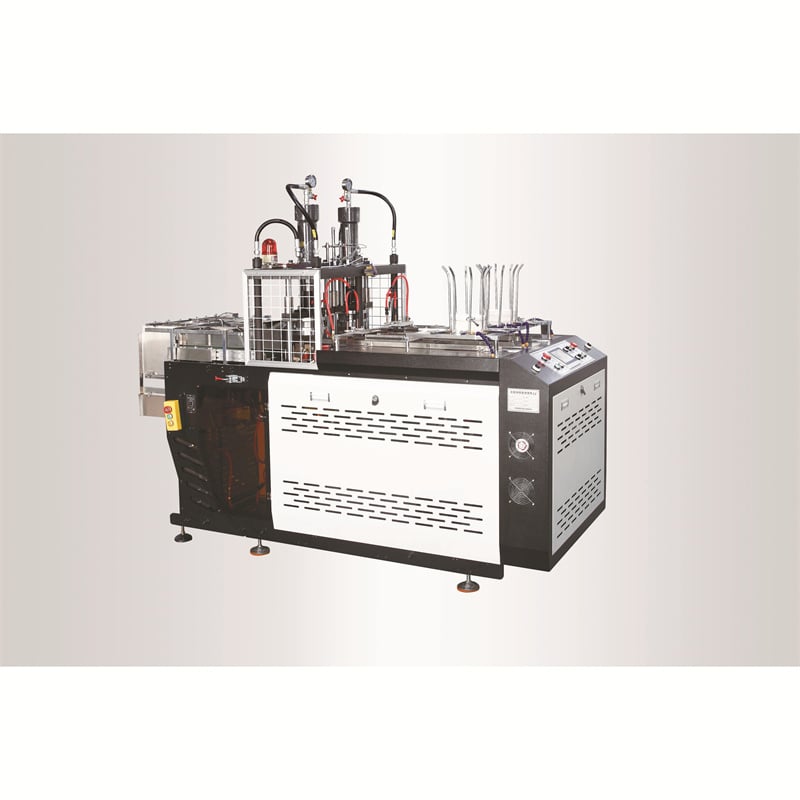
Roller Configuration: The number and arrangement of rollers in a  laminator affect the quality of the final product. Machines with multiple rollers can provide better pressure and temperature distribution,  leading to superior lamination results. For instance, the 25 Tons Pressure Paper Plate Machine is designed with advanced roller configurations to ensure optimal performance.

Film Type Compatibility: Different laminators are compatible with  various film types, such as matte, gloss, or textured finishes. Understanding the film options and ensuring  compatibility with your  intended applications is essential for achieving the desired aesthetic and functional results.

Get a Free Quote

Our representative will contact you soon.
0/1000