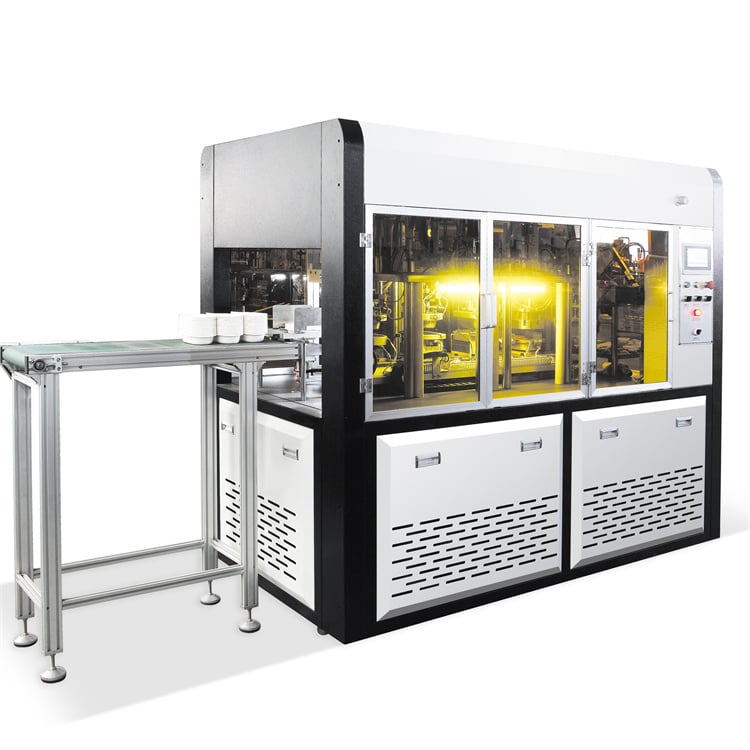
Choosing the Best Laminator for Your Business Needs

application/best-laminator, application/best-laminator, 
Inquiry
Inquiry

best laminator

Choosing  the best laminator  for your business needs can significantly impact the quality and durability  of your paper  products.  Laminators are  essential tools in various industries, from packaging  to product  development, ensuring that  your materials are protected and presented  effectively. As a  B2B  buyer, you may have concerns about product specifications, supplier  reliability, and  cost implications.  , we will address key considerations for selecting the best  laminator, how to  find  reliable suppliers, the factors that influence pricing  when purchasing  in bulk, installation guidance, and common issues with laminators along with solutions.

Where to Find Reliable Suppliers for Wholesale Laminators

Where to Find Reliable Suppliers for Wholesale Laminators

Finding reliable suppliers for wholesale laminators involves a thorough evaluation process.  Start by  researching  manufacturers  known for quality and service in the laminating equipment  industry. Trade shows and industry expos  are excellent venues for discovering reputable suppliers,  allowing you to see the equipment in action and  ask questions directly.

Online platforms  such as industrial  directories and B2B marketplaces can also provide a list  of  potential suppliers. Look for companies that offer detailed product  specifications, customer testimonials, and case studies. Ensure  they have  a strong  after-sales support system, as this is crucial for  addressing any potential issues after  purchase.

Additionally, consider suppliers that provide eco-friendly options,  especially if your business values sustainability. Wenzhou Unitely Machinery I/E Co., Ltd. specializes in eco-friendly paper container machinery and could be a valuable resource for  those looking for sustainable laminating solutions. You may also explore options like the 25 Tons Pressure Paper Plate Machine PT25 Hydraulic to enhance your production line.

Understanding the Cost Factors of Purchasing Laminators in Bulk

Understanding the Cost Factors of Purchasing Laminators in Bulk

When purchasing laminators in bulk, several  cost factors come  into play. The  first is the initial purchase price, which can vary significantly  based on the features and capabilities of the laminator. High-capacity, high-speed models may have a higher upfront cost but can lead to savings in  labor and time over the  long run.

Another important factor  is shipping and  handling costs, particularly if  you're  importing from overseas suppliers. Be  sure to  factor in customs duties and taxes when calculating  total expenses. Additionally, inquire about volume discounts as many suppliers offer reduced rates for bulk orders, which can significantly lower your overall costs.


Operational costs, such as electricity consumption and  maintenance, should also be considered. A more efficient machine may save  on  energy costs, while a laminator requiring frequent  repairs can lead to increased downtime and expenses. Understanding these  factors can help you make a more informed purchasing decision.

 
Installation Guidance for Efficient Use of Your New Laminator

Installation Guidance for Efficient Use of Your New Laminator

Proper installation of your new laminator is  crucial for ensuring optimal performance. Begin  by carefully reading the manufacturer's installation manual, which provides specific guidelines tailored to the model you have purchased. Make sure the laminator  is set up  on a stable, flat  surface that  can support  its weight and is  in  a  well-ventilated area to prevent overheating.

Before plugging in the machine,  double-check all  connections and ensure that the correct  type of laminating film is loaded. Conduct a test run  with a sample document to calibrate the settings according to the thickness and type of  film you are using. This helps to ensure that  the  laminating process goes smoothly without any jams or misalignments.

Finally, train  your staff on the proper operation and maintenance of  the laminator. They should be aware of common operational issues and how  to address them, which can save time and reduce the risk of equipment damage.

Common Problems with Laminators and Effective Solutions to Address Them

Despite their reliability, laminators can  encounter several common problems. One frequent issue  is jamming, which can occur  if the film is loaded incorrectly or if the laminator is set to  the wrong temperature. To prevent jams, always ensure the film is loaded according  to the manufacturer's instructions and  regularly  clean the  rollers to remove any adhesive buildup.

Another common problem is poor adhesion, where the film does not  properly bond to the document. This can often be resolved by adjusting the temperature  settings or using a different thickness  of film that is more compatible with the material being laminated.

If you notice bubbles or wrinkles in the laminated material, it may indicate that the laminator is running too fast for the thickness of the film used. Slowing down the  laminating process can often solve this issue.

For  ongoing  maintenance, regularly check the machine for wear and  tear,  and replace parts  as  needed to ensure longevity and performance. Keeping a maintenance log can  help identify patterns and prevent major breakdowns.

By understanding these key aspects, you can confidently choose the best laminator for your business needs, ensuring a  smooth purchasing process and effective operation in your production line.

What to Consider When Choosing the Best Laminator for Your Needs

When selecting the best laminator, several key  specifications should be at the forefront of your decision-making process. First, consider the type of laminating film  required. Common thicknesses include 3 mil, 5 mil, and 10  mil, with  thicker films offering greater  protection but potentially less flexibility.  Choosing  the right thickness is crucial depending on the intended use—thicker films  are ideal for items that will be handled frequently, while thinner films may suffice for less-used materials.

Next, evaluate  the laminator's capacity,  which refers to the maximum width and length of  materials it can process. This is especially important  for businesses  that need to laminate large documents or packaging materials. Additionally, consider the laminating speed and whether it meets your production needs. A  faster laminator can enhance efficiency, which is vital for high-volume operations. For instance, a high-speed paper plate making machine can greatly improve production efficiency in packaging.

Lastly, think  about the laminator's compatibility with your  existing production line. If you're integrating it into a  larger manufacturing setup, ensure it can seamlessly connect with your other equipment. This  will  minimize disruptions and  streamline your workflow.

Get a Free Quote

Our representative will contact you soon.
0/1000