How to Choose the Right Lamination Machine

application/lamination-machine, application/lamination-machine, 
Inquiry
Inquiry

lamination machine

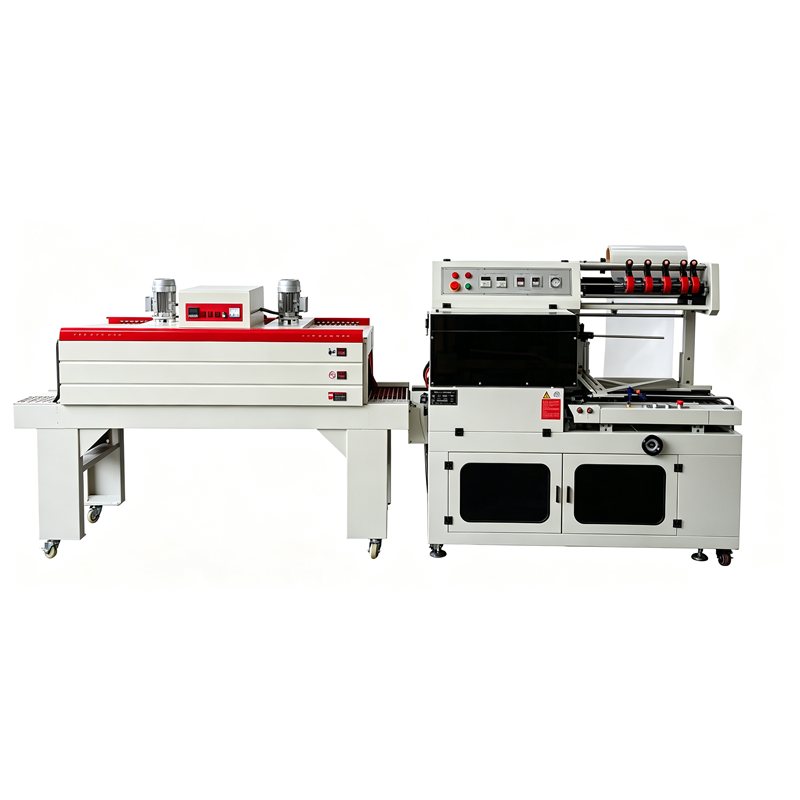
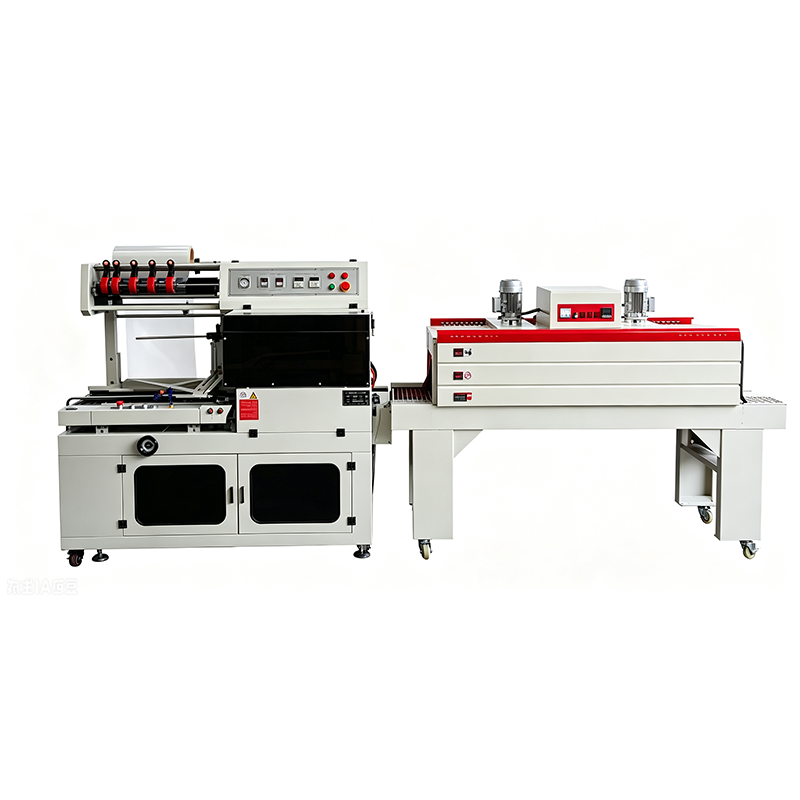
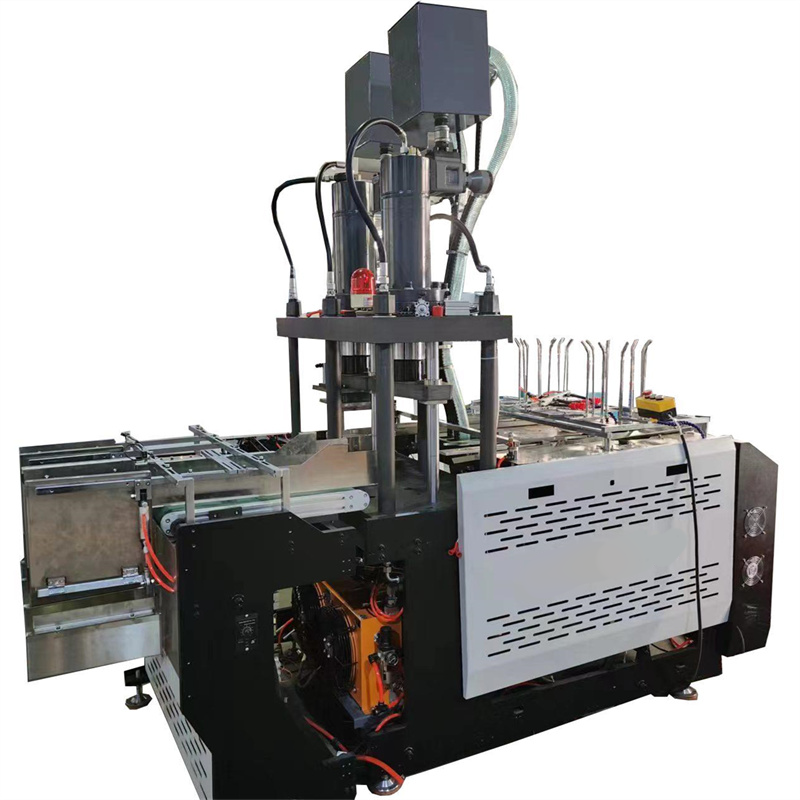
Lamination machines are  essential  equipment  for businesses seeking  to enhance the  durability  and aesthetic appeal  of their products. These machines apply a protective layer to various substrates, such as paper or plastic, ensuring they withstand  environmental  factors  and wear over time. As a  B2B buyer, you may have concerns  about selecting the right  machine  that meets your specific needs, evaluating key  specifications, and  understanding the applications across different industries. This article  will guide you  through choosing the  appropriate  lamination machine, its capabilities, and installation and operational considerations.

Evaluating the Quality of Lamination Machines for Wholesale Orders

Evaluating the Quality of Lamination Machines for Wholesale Orders

When evaluating lamination machines, focus  on critical specifications that influence performance  and suitability for your applications. Key specifications include:

Lamination Speed: Measured in meters per minute, this indicates  how quickly the  machine can process materials. Higher speeds  are essential for large-scale operations but may affect  the quality if the  machine is not designed for high-volume work.

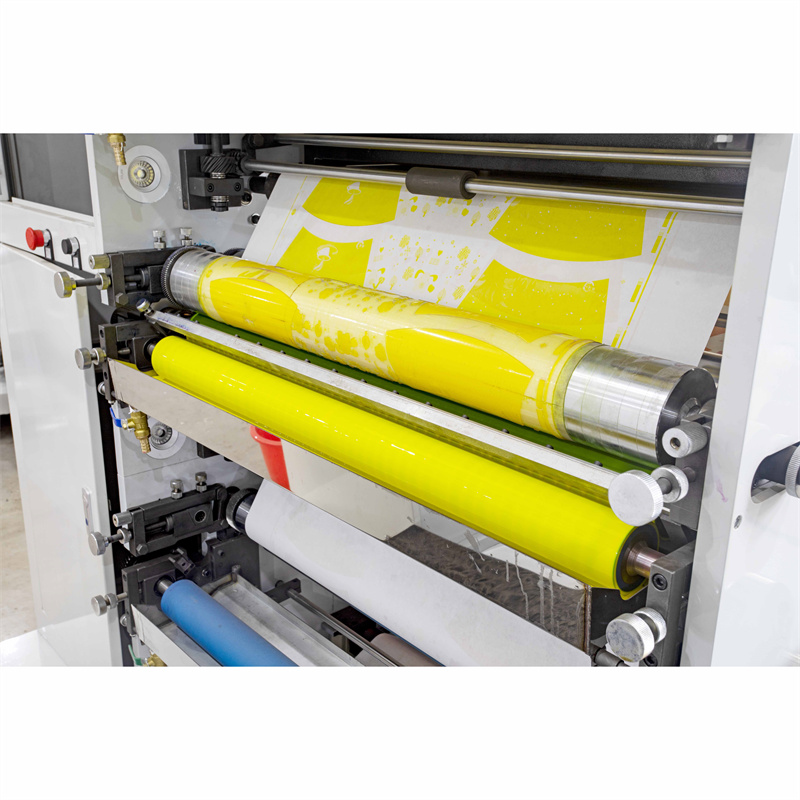
Roller  Size and Configuration: The diameter and number of rollers can affect  the laminating thickness and quality. Larger rollers  may handle  thicker materials, while multiple rollers can improve  evenness and  adhesion.

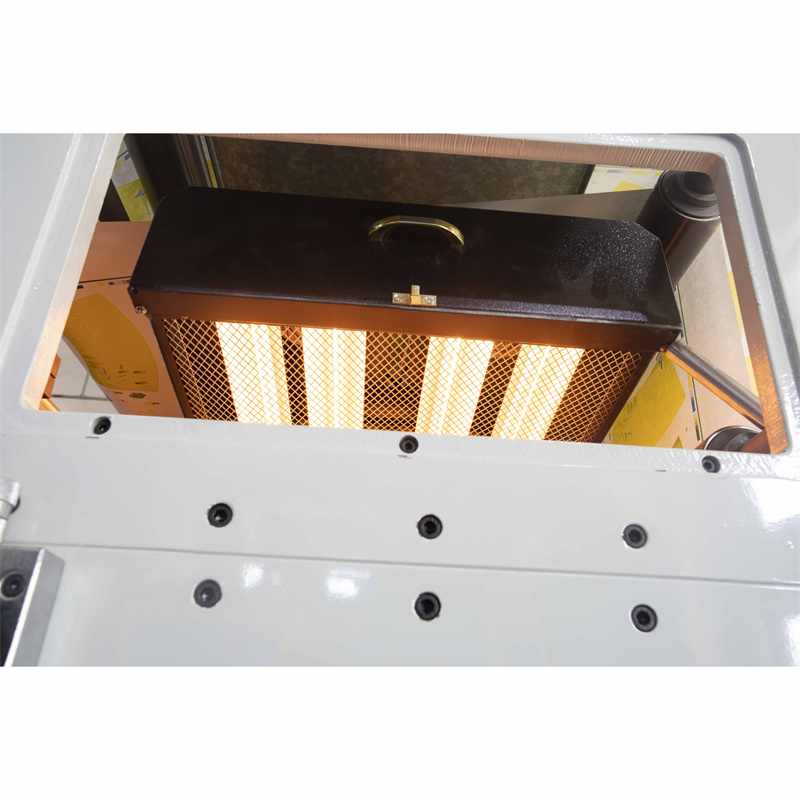
Temperature Control: Accurate temperature settings  are crucial for  effective lamination. Machines with adjustable heating elements allow for better control over the lamination process, especially when working with sensitive materials.

Film Thickness Compatibility: Ensure the machine can  accommodate the range of film thicknesses you plan to use. This can vary significantly based on the application, so understanding your material requirements is vital.

Safety Features: Look for machines that include automatic shut-off features, emergency stop buttons, and protective covers to ensure safe operation.

Buyers should evaluate these specifications against their operational  requirements to ensure that the selected lamination machine will meet their production  goals effectively.

Common Installation Issues with Lamination Machines and Solutions

Common Installation Issues with Lamination Machines and Solutions

Lamination machines are  versatile and find applications across several industries. In the  packaging  sector, they are commonly used to enhance the durability of product labels, ensuring they remain intact during transportation and on shelves. This is especially crucial  in food and  beverage packaging, where moisture  resistance is  required.

In  the  printing industry, lamination machines protect printed materials such as brochures, business cards,  and posters, giving them a professional  finish and extending their lifespan. Additionally, schools and offices utilize lamination for  educational materials and documents, which helps preserve important  information against wear and tear.

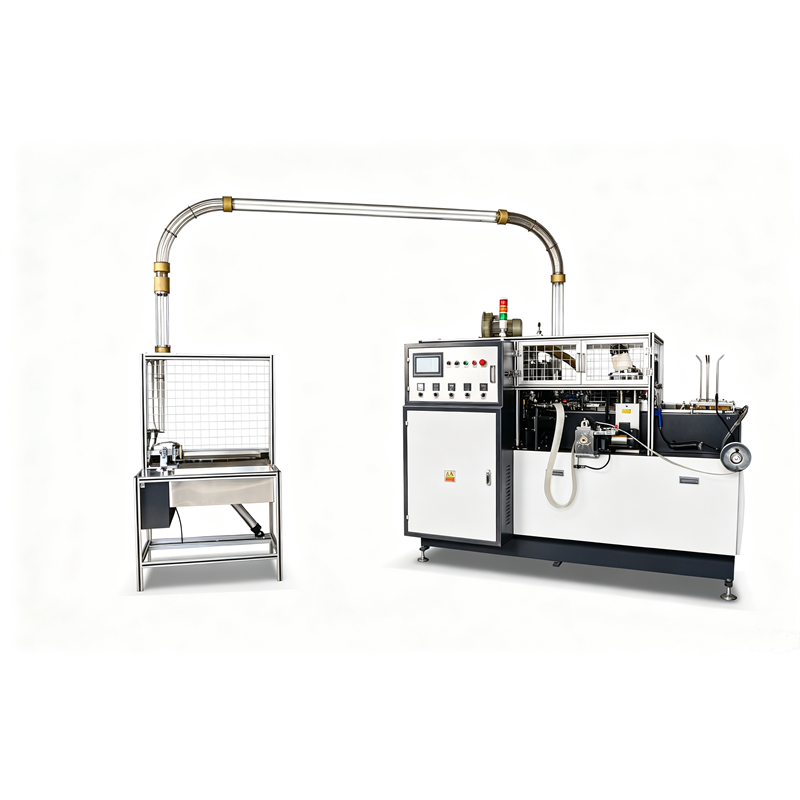
The industrial sector also benefits from lamination machines for creating protective overlays on  panels and equipment,  which can endure harsh environments. Understanding  the specific needs of  your target industry will help  you determine  the most suitable machine configuration. For example, consider a Paper cup making machine for a focused product line.

Comparing Different Types of Lamination Machines for Bulk Purchases

Comparing Different Types of Lamination Machines for Bulk Purchases

Proper installation is crucial  for optimizing  the  performance of a lamination machine. Begin by selecting a suitable location with adequate space for  operation and  maintenance. Ensure the area is  clean, dry, and free from excessive dust and moisture, as these  can affect the laminating process.

When installing the machine, follow the  manufacturer’s  guidelines closely. This includes  connecting the machine to the appropriate power supply and ensuring all safety features are functional. Properly calibrate the machine  before use, paying close attention to  the film feed alignment  and roller  settings.

Regular maintenance checks should be  scheduled to ensure optimal performance. This includes cleaning the rollers,  lubricating moving parts, and inspecting electrical components for any signs of wear. Adhering to these installation and maintenance guidelines will help extend the life of  your lamination machine and reduce  the risk  of operational issues.

Applications of Lamination Machines in Various Industries

With increasing emphasis on sustainability, eco-friendly lamination machines present numerous benefits for your operations. These machines often utilize biodegradable films and  adhesives, reducing  environmental  impact compared to traditional options. By choosing eco-friendly solutions, companies can align their practices with consumer demand for sustainable  products.

Furthermore, eco-friendly  lamination processes may require less energy, contributing to lower operational costs.  This can  enhance your business’s reputation  as  a socially responsible entity  and potentially  attract environmentally conscious customers.

Investing in eco-friendly  lamination machines not only supports your commitment to sustainability but also positions your brand favorably in a competitive market. As manufacturers like  Wenzhou Unitely Machinery focus on eco-friendly innovations, exploring these options can  provide both  operational and marketing advantages.

By understanding the selection process, key specifications, applications, installation guidelines,  and benefits of eco-friendly options, you can make informed decisions when purchasing a lamination  machine. This comprehensive approach will enable you to enhance product quality, efficiency, and sustainability  within  your operations.

How to Choose the Right Lamination Machine for Your Needs

Selecting the right lamination machine  involves assessing several  factors,  including the type of materials you will be  working with, the scale of  production, and the specific  applications intended. Start by  determining  the materials you will laminate—common options include paper, cardboard,  and various plastics. Understanding the thickness  and flexibility of these materials is  crucial, as different machines accommodate varying ranges.

Next, consider the scale of  your operations. For  small-scale businesses, a manual or semi-automatic machine  might suffice, while  larger operations may require fully automatic models to enhance efficiency. Evaluate the production capacity needed, as  machines differ significantly in speed and throughput. Additionally, be aware of the machine's compatibility with the adhesives and laminates you plan to  use, as this will impact both the quality and durability of the finished product. Consider also investing in a Paper box forming machine for more versatile packaging solutions.

Lastly, consider customization capabilities. If your business requires specific features—such as adjustable temperature settings, different roller configurations, or unique film types—look for  manufacturers like Wenzhou Unitely  Machinery that offer flexible OEM/ODM services  to meet your needs.

Get a Free Quote

Our representative will contact you soon.
0/1000