Essential Guide to the Best Laminating Machine

application/best-laminating-machine, application/best-laminating-machine, 
Inquiry
Inquiry

best laminating machine

Investing  in  the  best laminating  machine is crucial for  businesses that prioritize quality  and durability in their product packaging and presentation. Laminating machines not only  protect documents and materials  but also enhance their aesthetic appeal, making them  vital tools across various industries. Buyers  often  have concerns about  specifications, reliability, cost, and  application suitability. This  article aims to guide  you through the essential factors to  consider when selecting a laminating machine,  sourcing reliable suppliers, understanding cost  factors,  installation guidance, and  application insights.

Where to Source Reliable Suppliers of Laminating Machines in Bulk

Where to Source Reliable Suppliers of Laminating Machines in Bulk

Finding  a reliable supplier for  laminating machines is critical for businesses looking to  purchase  in bulk. Here are some strategies to identify trustworthy manufacturers:

Industry Trade Shows: Attending trade shows focused on manufacturing and packaging can provide valuable insights into various laminating machine suppliers. These events allow you to see machines in action, ask questions,  and build relationships with manufacturers.

Online Marketplaces  and Directories: Platforms like Alibaba, ThomasNet, and Global Sources can help you  find numerous suppliers. Look for those with verified ratings and positive  reviews. It’s advisable to request samples or demonstrations to gauge machine performance before making bulk orders.

Networking with Industry  Peers: Engaging with other businesses in your industry  can yield recommendations for reputable suppliers. These connections may have firsthand  experience with certain manufacturers, providing you  with insights into their reliability and service quality.

Research and Due Diligence: Conduct thorough research on potential suppliers.  Check  their certifications, experience in the industry,  and customer feedback.  A reputable  supplier should be willing to provide  references and detailed information about their machines.

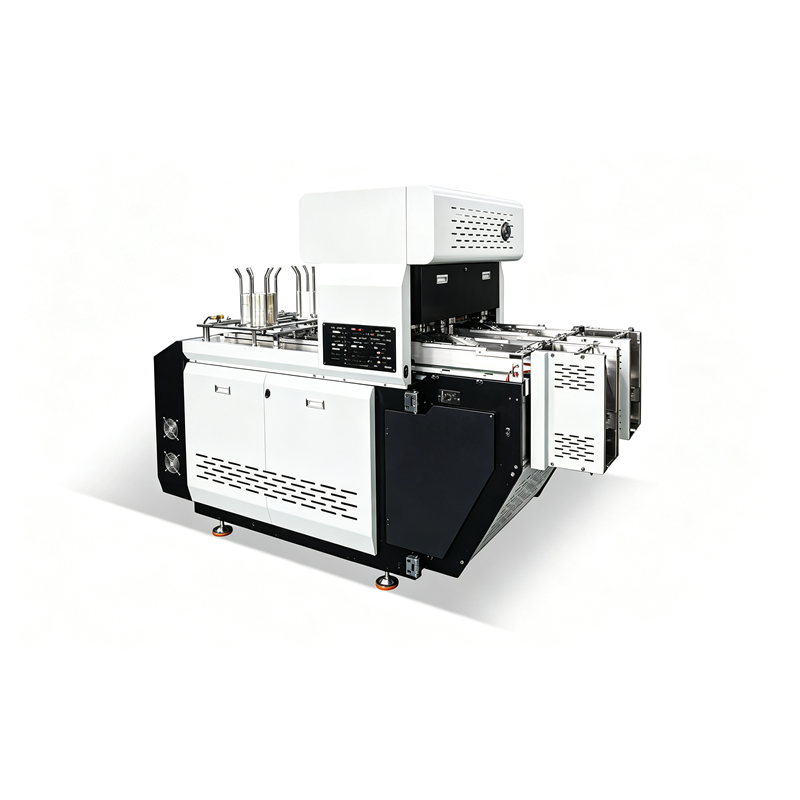
By employing these  strategies, buyers can ensure they partner with dependable suppliers that meet their quality and service expectations. Additionally, suppliers of machines like the Paper box forming machine often have extensive networks that can be beneficial.

Understanding the Cost Factors of the Best Laminating Machines

Understanding the Cost Factors of the Best Laminating Machines

The cost  of laminating machines can vary widely based on several factors. Understanding these can help you budget effectively:

Type of  Machine: Different types (e.g., pouch laminators, roll laminators, thermal vs. cold laminators) come with varying  price  points. Identifying the type  best suited for your  needs will help narrow down your options.

Specifications and Features: Higher specifications,  such as speed, width,  and  advanced features (like automatic feeders or digital controls),  typically come at a premium. Assess which features are essential for your operations to avoid  overspending.

Supplier Reputation: Established suppliers often charge more due to their  proven reliability and support services. However, investing in a reputable  supplier can save costs in the long term, as they may offer better warranties and customer service.

Volume Purchases: Many suppliers offer discounts for bulk purchases. Discussing your long-term needs with suppliers can lead  to negotiated pricing that benefits your  budget.

After-Sales  Support: Consider the total cost of  ownership,  including maintenance and support. Machines with extensive after-sales service may have a higher upfront cost but can reduce long-term operational expenses.

By analyzing these factors, buyers can  make informed decisions that align with both their budget and operational needs.

Installation Guidance for Optimal Use of Your Laminating Machine

Installation Guidance for Optimal Use of Your Laminating Machine

Proper installation and  setup of your laminating machine are critical for achieving optimal performance. Here are key  considerations:

Location and  Environment: Ensure the machine  is placed on a stable, flat surface  that can support its weight. Consider the environment; excessive dust or humidity can  affect the machine's performance.  A clean, well-ventilated area is ideal.

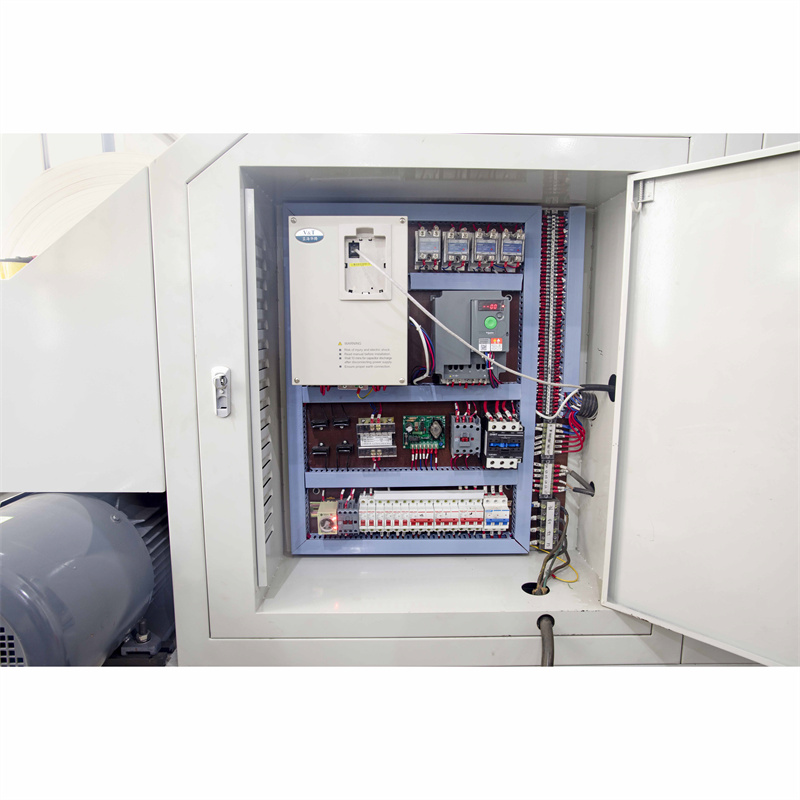
Power Requirements: Verify that your facility meets the machine's electrical requirements, including voltage and amperage.  It's crucial  to use the correct power source to prevent  damage or operational issues.

Calibration and Testing: After installation, calibrate the machine according to the manufacturer's specifications.  Test with various materials to  ensure settings are optimized. This step is vital to avoid issues during full-scale production.

Training for  Operators: Proper training for  machine operators can minimize errors and enhance  efficiency. Ensure that your team understands the operational guidelines, maintenance needs, and safety protocols associated with the laminating machine.

Following these installation guidelines will  help ensure that your  laminating machine operates  smoothly and effectively,  leading to superior output quality.

Applications of Laminating Machines in Various Industries and Projects

Laminating machines serve various industries,  each with  specific applications:

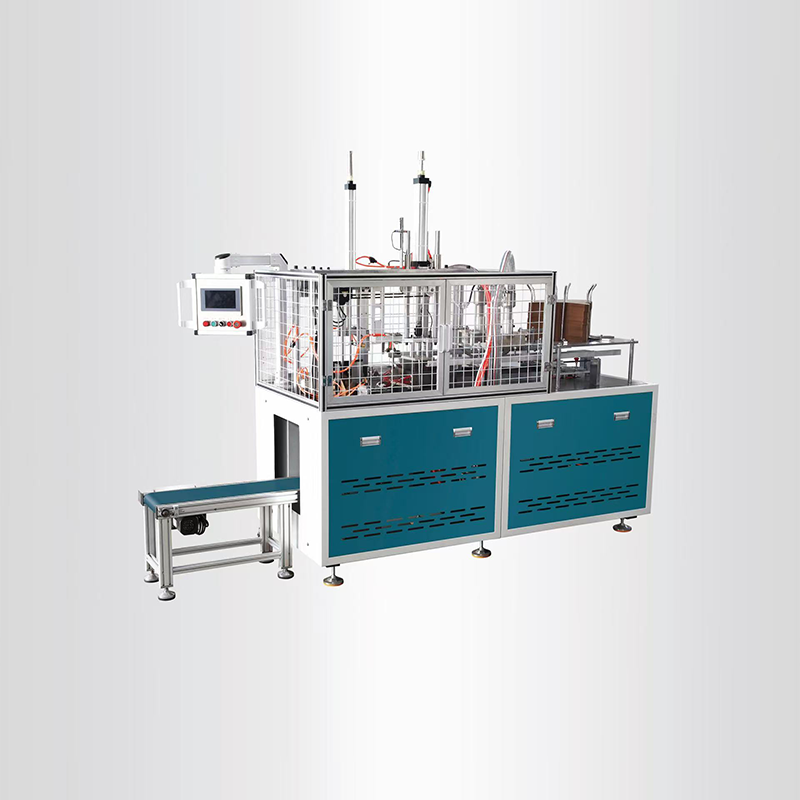
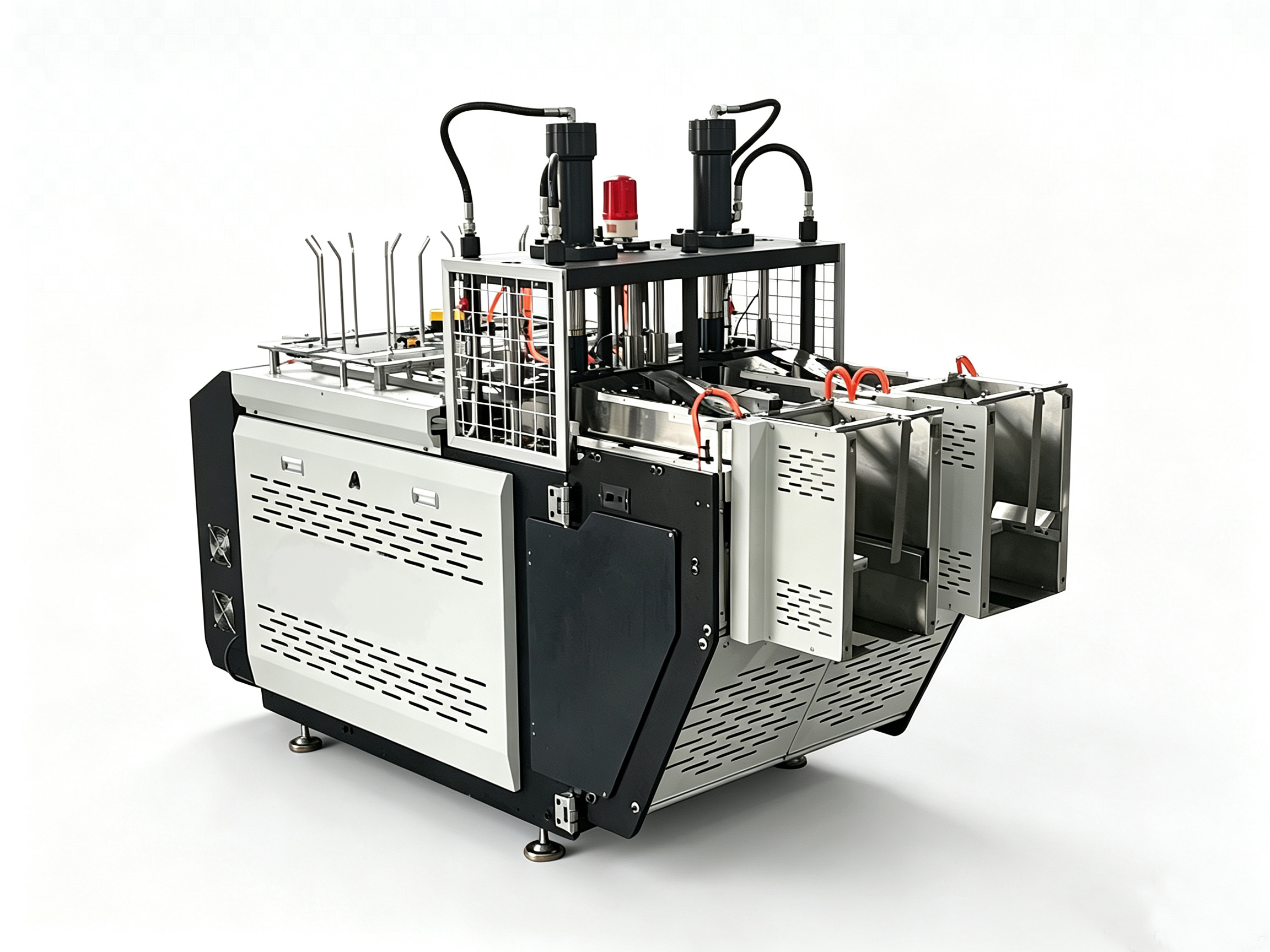
Packaging Industry:  Laminating  is essential  for creating durable  packaging that protects products and enhances shelf appeal. Businesses in food,  cosmetics, and pharmaceuticals often use lamination to provide moisture  and tear resistance. Machines like the Disposable food carton erecting machine are often used in these sectors.

Printing and Publishing: In the printing industry, laminating machines are used to protect printed materials  such as brochures,  business  cards, and covers. This adds  a professional finish while increasing the lifespan of documents.

Education: Educational institutions frequently use laminating machines for preserving teaching materials, posters, and educational aids. The lamination  process helps  withstand wear  and tear, ensuring  that materials  remain usable over time.

Industrial Applications: Laminating machines are also used in manufacturing sectors to create protective coatings for labels, signs, and instruction manuals. This enhances durability, making them suitable for harsh  environments.

Custom Projects: Many businesses utilize laminating machines for customized projects, such as creating promotional materials or unique packaging solutions. The flexibility of laminating technology allows for innovative applications tailored to specific needs.

By understanding these applications, buyers can better appreciate the value that a laminating  machine can bring to their operations.

Key Specifications to Evaluate in a High-Quality Laminating Machine

When evaluating laminating machines, several key specifications should be considered to ensure optimal performance and compatibility with your production needs:

Lamination Width and Thickness: The width of the  laminating film and the thickness it can  accommodate are crucial. Machines typically handle various thicknesses, but you  should  confirm the maximum and minimum specifications to ensure they  meet your requirements. Thicker films provide better durability, but  they may require specific machine settings.

Speed and Capacity: The speed at which the machine operates can significantly impact productivity. Machines are often rated by the number of sheets they  can laminate per hour. Understanding your volume requirements  will help you select a machine that maintains efficiency without sacrificing quality.

Temperature Control: High-quality laminating machines offer adjustable  temperature settings to suit different materials. Incorrect temperature can lead to poor adhesion or damage to the material being laminated.  Ensure  that the machine has consistent temperature control for the  best results.

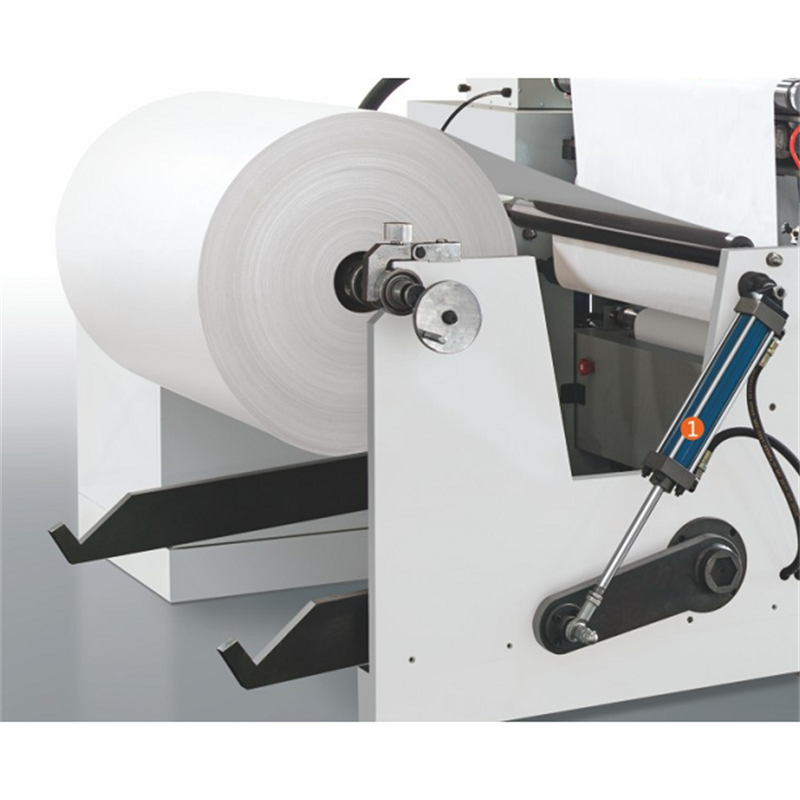
Roller Configuration: The number and type of rollers (e.g., heated, cold) in a laminating machine can influence the quality  of the lamination. Heated rollers typically yield superior results, particularly for thicker films. Assessing  the roller configuration will help you predict the  quality of the finished  product.

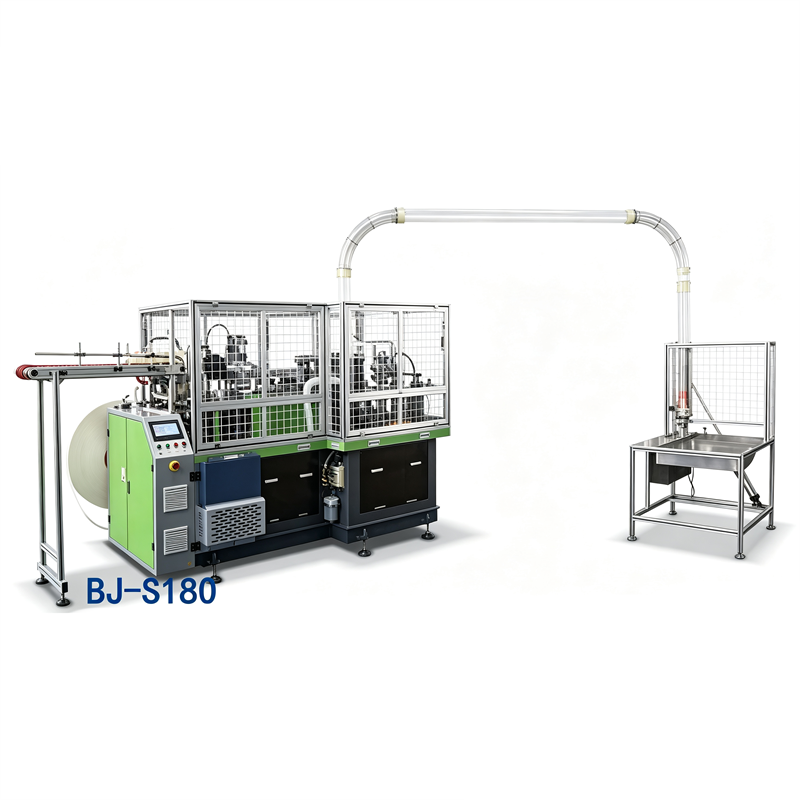
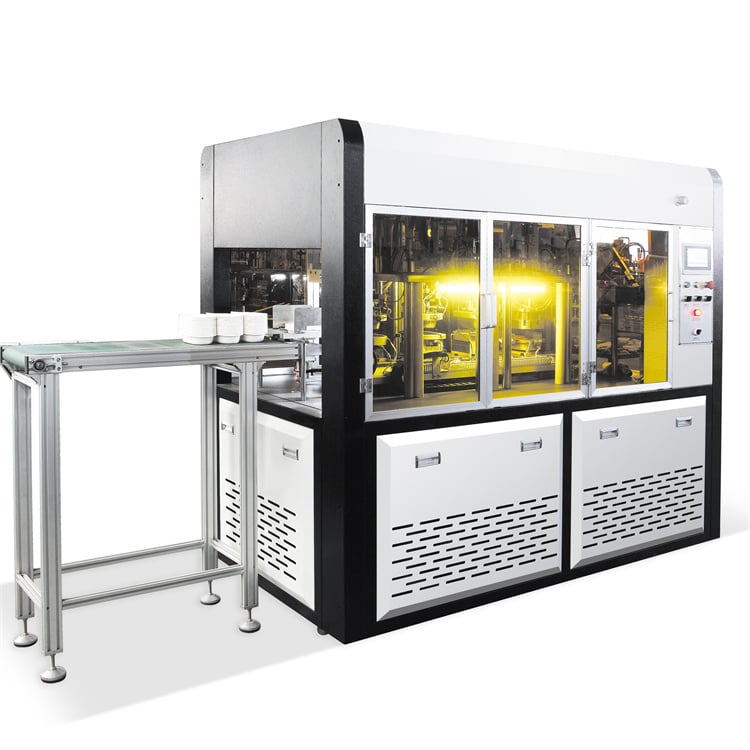
User-Friendly Features: Look for machines that offer easy-to-use controls, automatic feeding  systems, and safety features. These can enhance operational efficiency and minimize the  risk of operator error. Additionally, consider machines like the Paper cup making machine that are designed for ease of use and efficiency.

By understanding these specifications, buyers can better assess which laminating machine aligns with their production needs and quality standards.

Get a Free Quote

Our representative will contact you soon.
0/1000