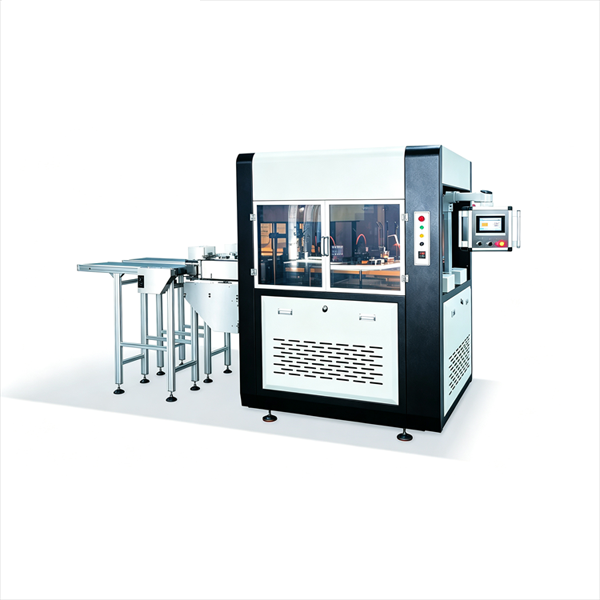
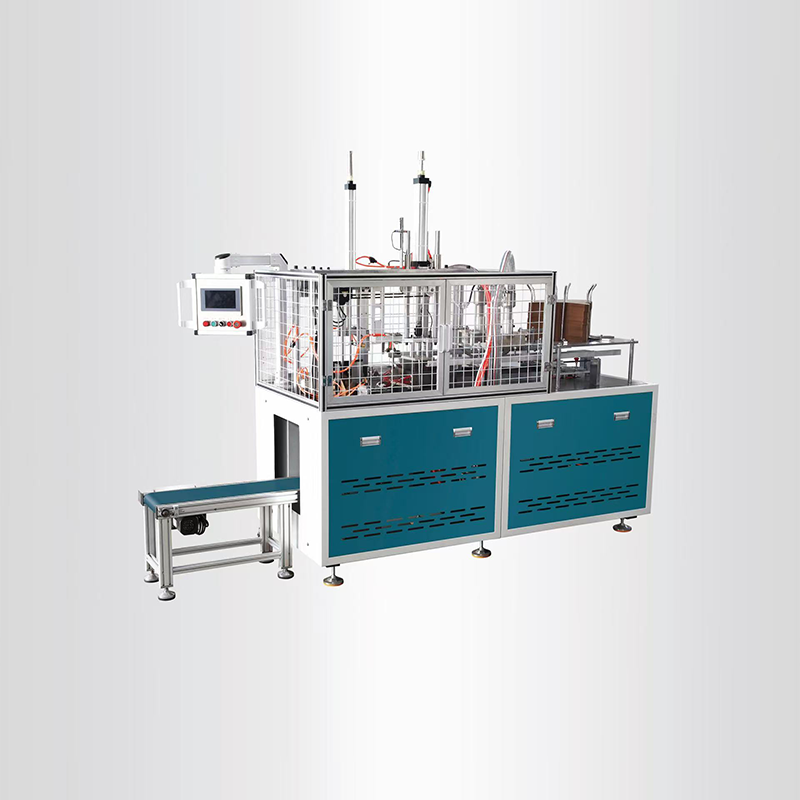
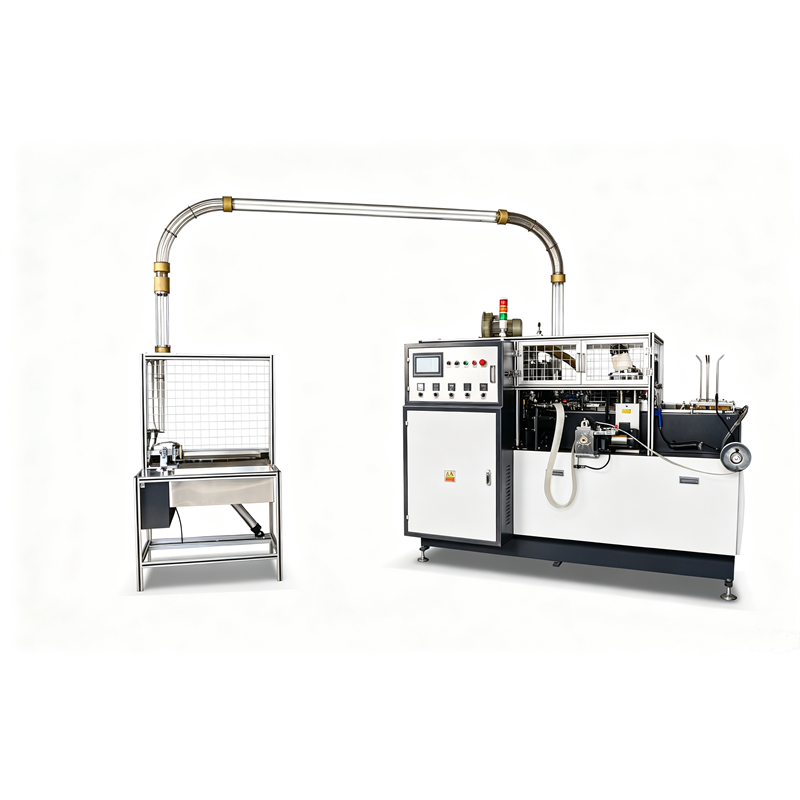
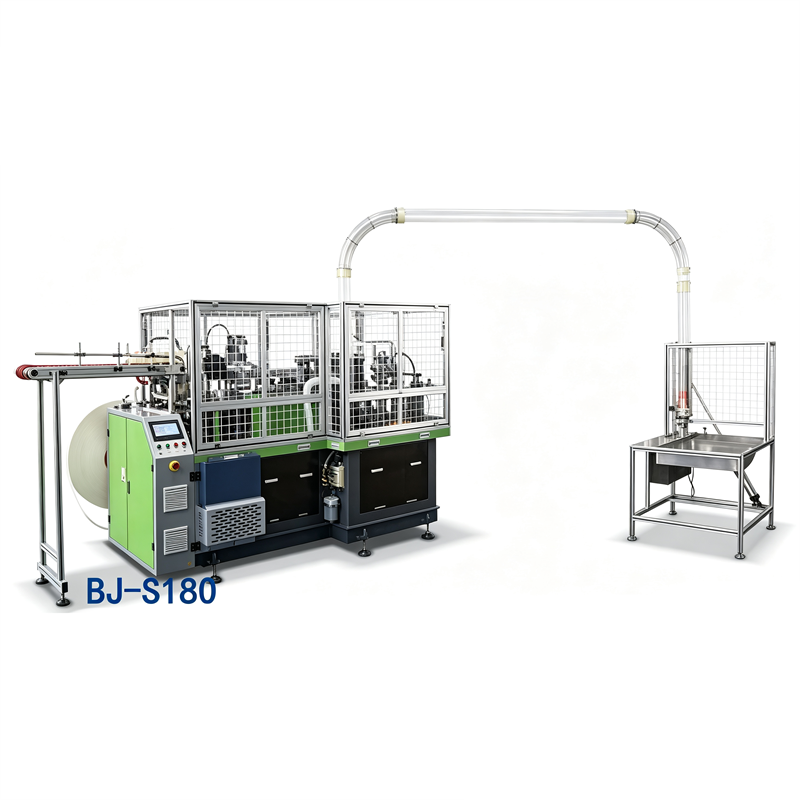
Choosing the Right Large Laminating Machine

application/large-laminating-machine, application/large-laminating-machine, 
Inquiry
Inquiry

large laminating machine

In  the world of  paper packaging and  container  production, a large laminating  machine  plays  a crucial role in enhancing product durability and aesthetic appeal. As a purchasing manager or  product engineer,  understanding the intricacies of  these machines is  vital for making informed  decisions.  This article  aims to address  key considerations such as specifications, quality  control, cost  factors, and application scenarios, ensuring you have the necessary insights to select  the right  equipment for your business  needs. In this context, understanding the benefits of a Paper box forming machine can also enhance your packaging solutions.

Key Specifications to Consider When Sourcing Laminating Machines

Key Specifications to Consider When Sourcing Laminating Machines

When  sourcing large laminating machines, several key specifications are critical for optimal performance:

Lamination Thickness: This  specification  determines the thickness of the film that can be applied. Depending on your product requirements, a machine capable of handling various thicknesses may be necessary.

Temperature Control:  Precise temperature settings are essential for achieving a strong bond  without damaging the substrate. Machines with advanced temperature control systems typically offer  better results.

Speed: Measured  in  meters per minute (m/min), the  laminating speed affects overall productivity. Choose a machine that meets your production demands without compromising quality.

Roll Width: The maximum  width of the material you  can laminate is crucial, especially if you deal with large  sheets. Confirm that  the machine  can accommodate your largest product dimensions.

Ease  of Operation: User-friendly interfaces and automated settings can significantly reduce training time and  operational errors. Look for machines  with clear displays and intuitive controls.

Understanding these specifications will help you select  a machine that not  only meets your current needs but also adapts to  future production demands.

Quality Control Measures for Large Laminating Machines Explained

Quality Control Measures for Large Laminating Machines Explained

Quality control is paramount in the  laminating process to ensure that the finished  product meets industry standards. Implementing rigorous quality control  measures  can prevent  costly production errors and enhance product reliability.


Material  Inspection: Regularly inspect incoming materials for defects or inconsistencies.  This includes checking paper integrity  and film quality to ensure optimal adhesion during the laminating process.

Machine Calibration: Routine calibration of the  laminating machine is essential. This process ensures that temperature, pressure, and speed  settings are within specified tolerances, reducing the risk of defects.

Sample Testing: Before full-scale production, conduct sample tests to verify the lamination quality. Testing should assess adhesion strength,  clarity, and resistance to moisture or other  environmental  factors.


Operator Training:  Ensure that machine operators are well-trained in  quality control procedures.  Knowledgeable staff can identify potential issues early in the production process, minimizing waste and rework.

By establishing comprehensive quality control measures, manufacturers can maintain high standards and produce  reliable, high-quality  laminated products.

Evaluating the Cost Factors of Bulk Orders for Laminating Equipmen

Evaluating the Cost Factors of Bulk Orders for Laminating Equipmen

When evaluating the cost of large laminating machines, several  factors come into play:

Initial Investment: The  purchase price of the machine is a  significant upfront cost. However, consider the long-term return on investment (ROI) by assessing the machine's durability and efficiency.

Operating Costs: Factor in ongoing operational  expenses,  including energy consumption, maintenance, and material costs. Machines that offer energy-efficient features can significantly reduce long-term operating costs.

Bulk Discounts:  Many manufacturers provide discounts for bulk orders. If your business plans to purchase multiple machines or additional components, inquire about  pricing structures  that could lead to cost savings.


Customization Costs: Custom features may increase initial costs, but they can  enhance productivity and  adapt the machinery  to  your  specific  needs. Evaluate whether customization is worth the investment based on your production requirements.

After-Sales Support: Consider the warranty and after-sales support provided by the manufacturer. Reliable support can mitigate unforeseen  expenses related to repairs and maintenance.

Understanding these cost factors  will  enable you to make  a more informed purchasing decision that aligns with  your budget and operational needs.

Application Scenarios for Large Laminating Machines in Various Industries

Large laminating machines have diverse  applications across multiple industries, enhancing product durability  and presentation. Here are a  few examples:

Packaging Industry: In this sector, laminating machines are vital for producing moisture-resistant and visually  appealing packaging materials. Laminated cartons and flexible pouches benefit from enhanced strength and shelf-life.

Publishing and Printing:  Laminating books, brochures, and promotional materials not only improves their durability but also enhances their  visual appeal. High-quality lamination can make printed materials  more  resistant to  wear and tear.

Food  Industry: Laminated labels and packaging for food products  can provide barriers against moisture and contaminants, ensuring product safety and freshness. These  applications often require compliance with specific  regulations.

Electronics and Appliances: In electronics packaging, lamination plays a crucial role in protecting sensitive components from  moisture and  dust. A well-laminated package can help maintain product integrity during shipping and storage.

Medical Supplies: Medical packaging often requires stringent standards for sterility and durability. Laminating machines can produce packaging that meets these critical requirements, ensuring the safety  of  medical products.


By understanding the various application scenarios for large laminating machines, buyers  can better assess their needs and make informed decisions based on industry-specific requirements.


Choosing the Right Large Laminating Machine for Your Business Needs

Selecting an  appropriate large  laminating machine involves evaluating various factors tailored to your  specific production requirements. Start by considering the type of materials you  will laminate—common options include paper, cardboard, and  plastic films. The choice of material affects the laminating process, including temperature and pressure settings.

Next, assess your production volume and desired output  speed. A high-capacity laminating machine  may be necessary if your business anticipates large batch production. It’s also essential  to evaluate the machine's  footprint  and  ensure  it fits  within your facility's layout without  hindering  workflow. Additionally, incorporating a Eco-friendly paper meal box machine can help align your production with sustainability goals.

Customization options should also be considered. Some manufacturers offer OEM/ODM services, allowing for tailored solutions that meet  unique production needs. This  flexibility can lead  to improved efficiency and reduced waste. Ensure that  the machine you choose  aligns with your long-term production goals and operational capabilities.

Get a Free Quote

Our representative will contact you soon.
0/1000