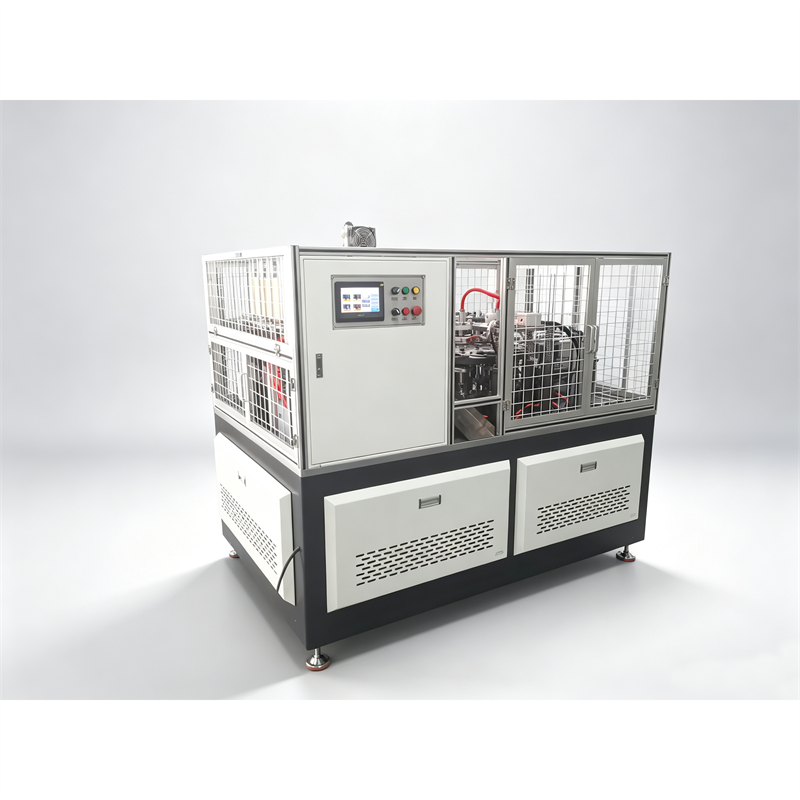
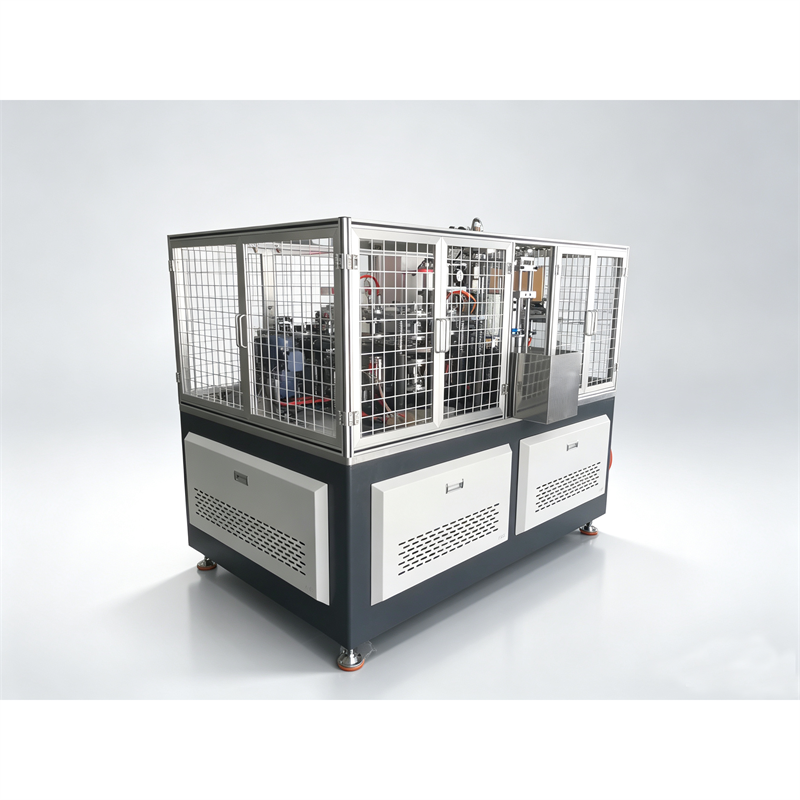
Quality control is vital in ensuring the performance and reliability of plastic lamination machines. Here are key standards and practices that should be followed:
Incoming Material Inspection: Before production, it’s crucial to verify the quality of raw materials, including films and adhesives. This step ensures that only high-quality inputs are used, which directly affects the final product.
In-Process Monitoring: Implementing real-time monitoring during the lamination process can help detect issues early. This includes checking temperature, pressure, and speed settings to ensure they remain within specified ranges.
Final Product Testing: Conduct tests on finished products to evaluate adhesion strength, appearance, and overall quality. This may involve peel tests and visual inspections to ensure that the lamination meets specified standards.
Calibration and Maintenance Records: Keeping detailed records of machine calibrations and maintenance activities is essential for maintaining quality. Regular audits of these records can help identify trends and prevent future issues.
Compliance with Industry Standards: Adhering to international quality standards, such as ISO certifications, can enhance credibility and ensure that manufacturing processes align with global best practices.
By implementing these quality control measures, manufacturers can enhance the reliability and effectiveness of their plastic lamination machines, ultimately leading to higher customer satisfaction.
In summary, understanding the specifications, supplier reliability, cost factors, common problems, and quality control standards related to plastic lamination machines can empower B2B buyers to make informed decisions. This knowledge will not only streamline the purchasing process but also enhance operational efficiency in their manufacturing processes. For example, incorporating machines like the BJ-450 L Type Automatic Shrink Packaging Machine can further improve packaging efficiency.
 EN