Lamination Machine for Paper: Key Specifications & Insights

application/lamination-machine-for-paper, application/lamination-machine-for-paper, 
Inquiry
Inquiry

lamination machine for paper

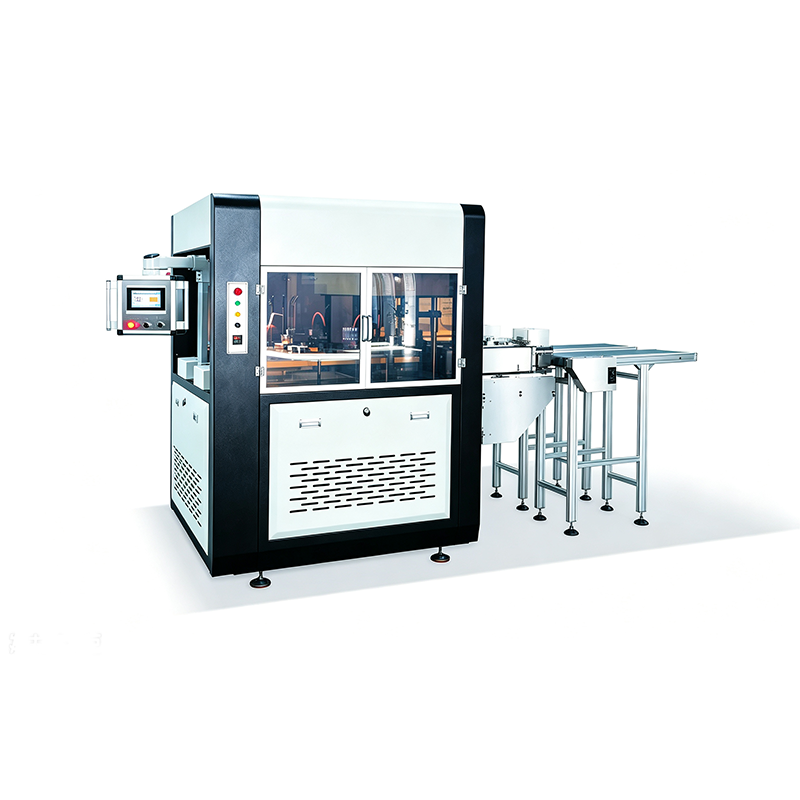
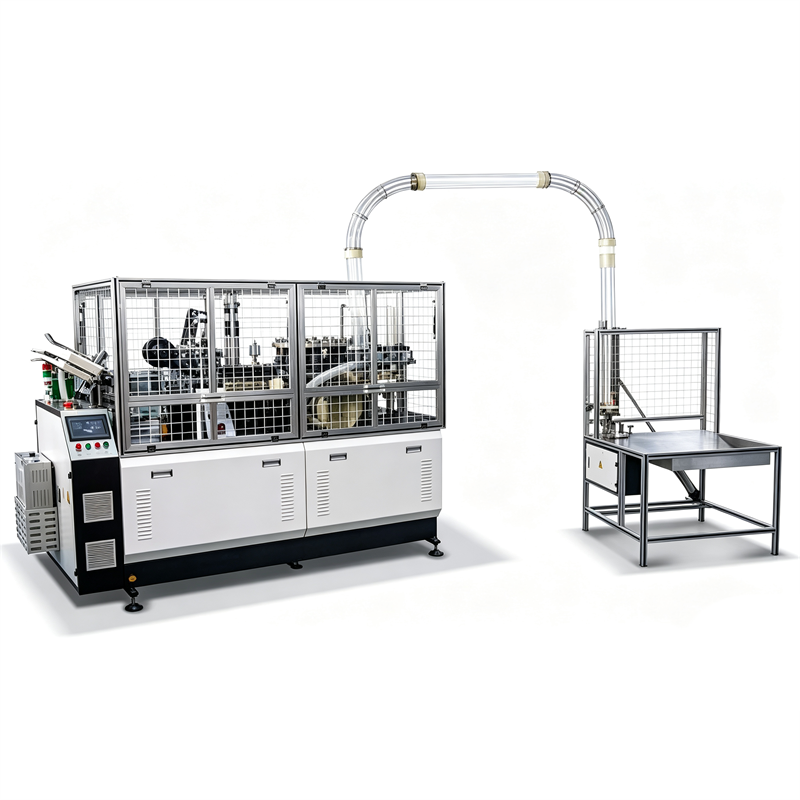
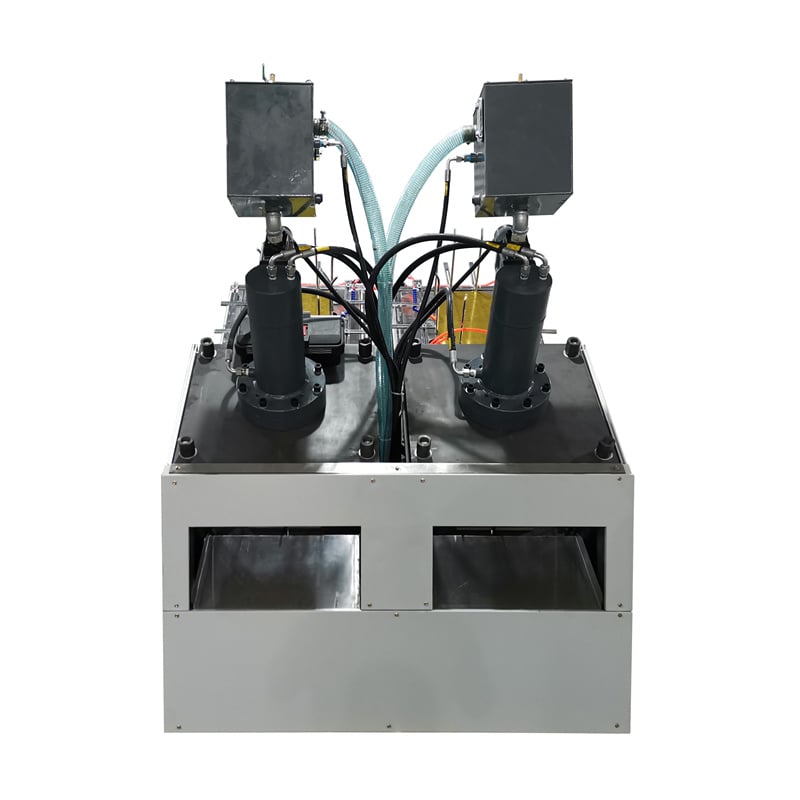
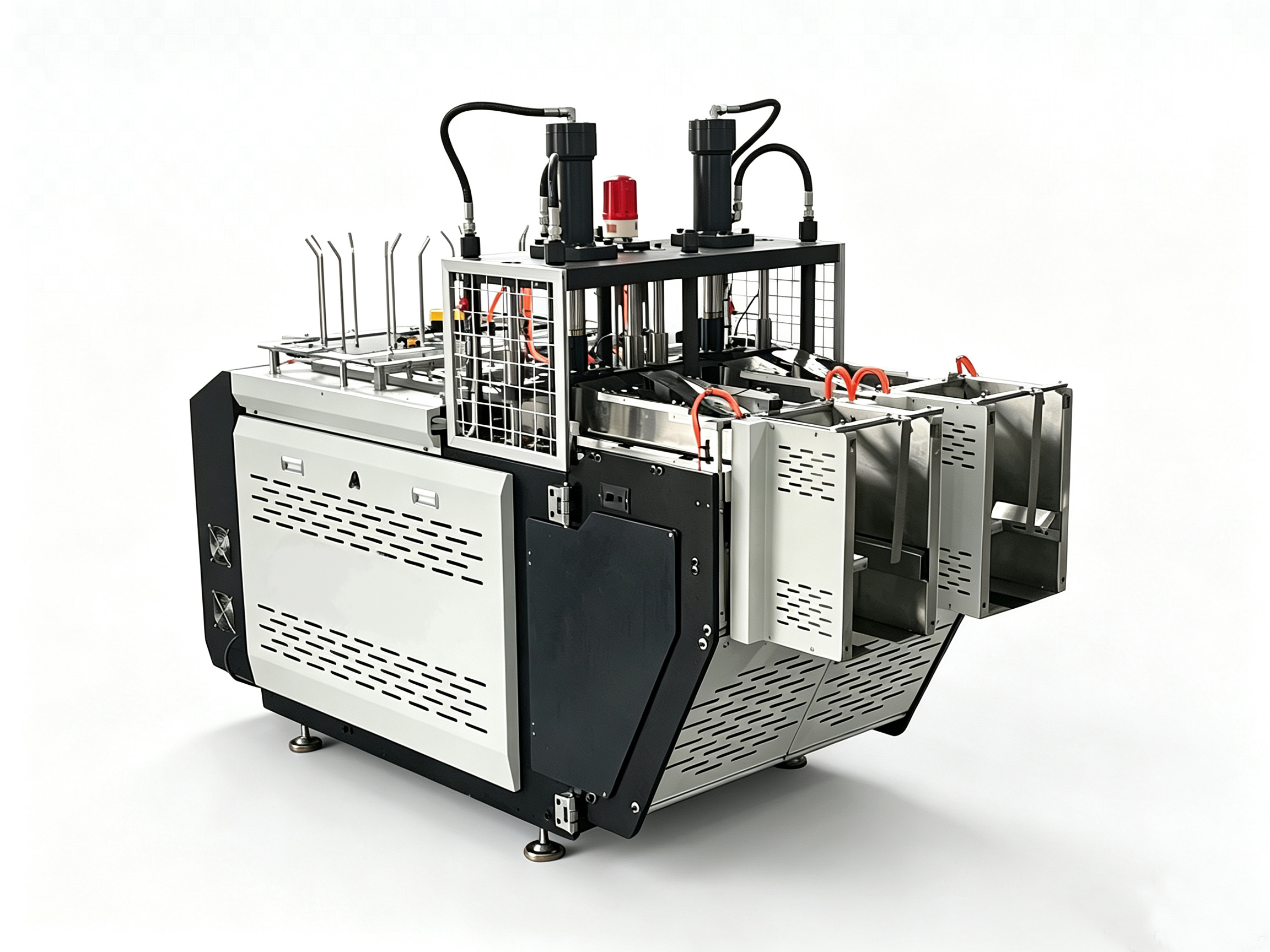
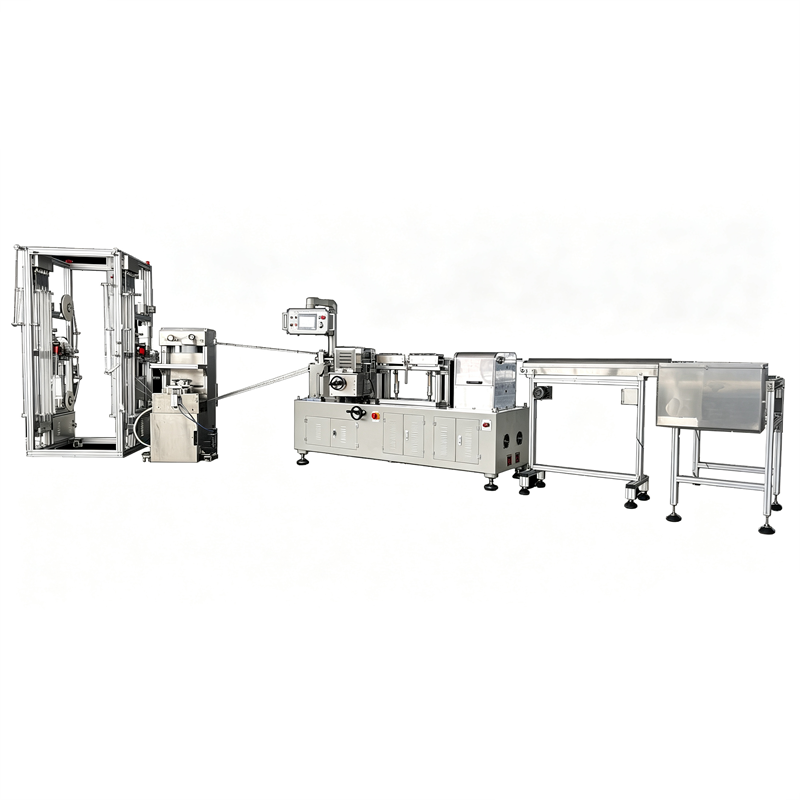
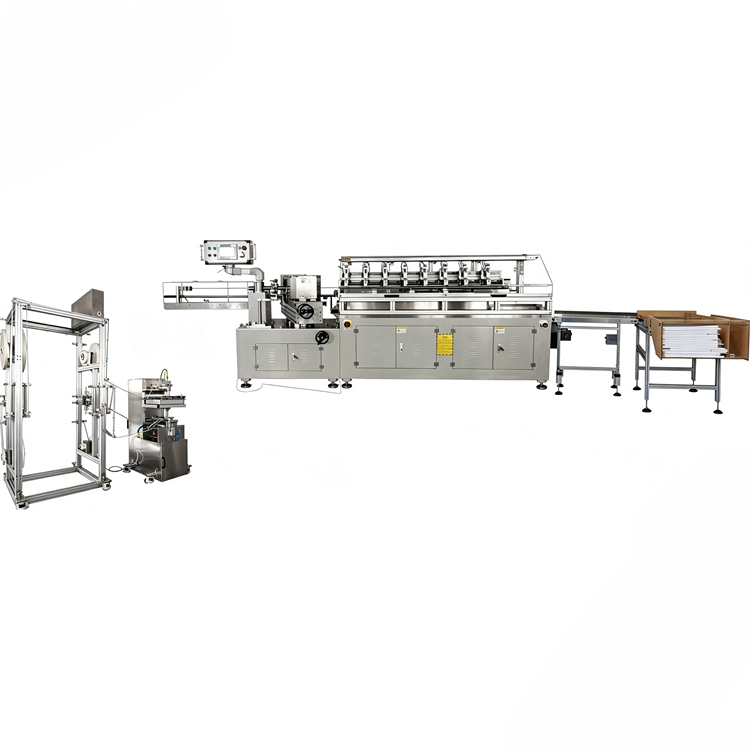
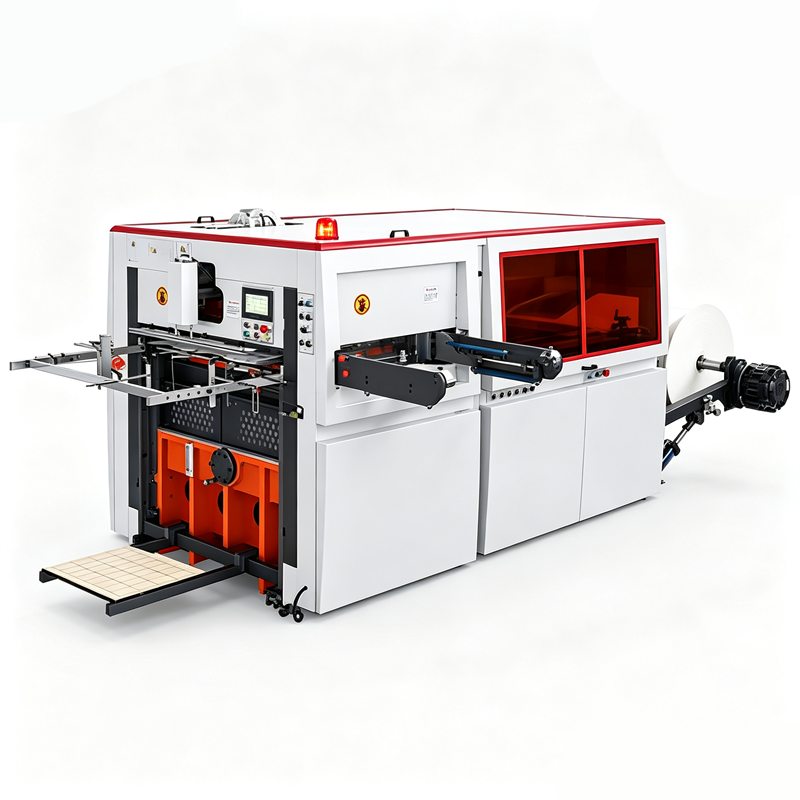
When considering a  lamination machine for paper,  buyers in the manufacturing sector face critical decisions regarding specifications, costs,  and operational efficiency. A  lamination machine is essential  for  enhancing  the durability and appearance of paper products by  applying a  protective layer, making it a  valuable investment for  companies  focused on producing  high-quality paper  containers and other products. This article will  guide  you through key specifications, cost-saving strategies, essential features,  installation guidance, and common issues associated  with lamination  machines  for paper.

Cost Savings on Lamination Machines for Paper

Cost Savings on Lamination Machines for Paper

Investing in a lamination machine for paper  can yield  significant cost savings  in the long run. Here are several strategies to  maximize your  return on investment:

Bulk Purchasing: Consider purchasing a machine that can handle larger  volumes. While  the initial investment may  be higher, increased production capacity can  lead to lower costs per unit over time.

Energy Efficiency: Look for machines designed with energy-saving  features. These machines may  have lower  operational costs, positively impacting your overall  budget.

Maintenance and  Durability: Choosing a machine known for its reliability and lower maintenance needs can reduce downtime and associated costs. Investing in quality components often translates to longer-lasting equipment. For example, the use of a Flexo printing machine can enhance the quality of printed materials, ultimately contributing to better lamination results.

Training and Support: Ensure that the supplier offers comprehensive training and  after-sales support. Proper training can minimize operational errors and enhance efficiency, leading  to cost savings in material waste.

Film and Material Selection: Evaluate your  lamination film options. Selecting the right film that balances cost and quality can significantly impact your overall expenses.

By  carefully considering these  factors, businesses can achieve operational efficiencies and lower overall costs when investing  in lamination machines.

Features and Quality Insights

Features and Quality Insights

When assessing lamination machines for paper, specific features can enhance performance and quality:

Adjustable  Pressure  Settings: Machines with adjustable pressure settings enable better control over the lamination process.  This is crucial for achieving  consistent results across different paper types and thicknesses.

Integrated Quality Control Systems: Some machines come equipped with built-in sensors to monitor temperature, speed, and pressure. These systems help ensure that each laminated product meets quality standards, reducing the likelihood of defects.

Ease of Cleaning  and Maintenance: Look for machines with designs that facilitate easy cleaning and maintenance. Regular upkeep is essential  for preserving machine performance and extending its lifespan.

Safety Features: Safety is paramount in any manufacturing environment. Machines should include safety features  such as emergency stops and guards to protect operators during operation.

Customization Options: Consider machines that offer customization capabilities. If your production needs change, having  flexibility in machine settings can save costs on  future  upgrades.

These features  contribute to  the  overall quality and efficiency of the lamination process, ensuring  that  the final products  meet customer expectations.

Installation Guidance for Your New Lamination Machine for Paper

Installation Guidance for Your New Lamination Machine for Paper

Proper installation of  your lamination machine is critical for  optimal performance. Here are essential steps to  consider:

Site Preparation: Ensure the installation site has  appropriate electrical and ventilation requirements. The  area should be spacious enough to  accommodate the machine and allow for safe operation.

Professional Installation:  It is advisable  to have the machine installed by a qualified technician. This not  only ensures proper setup but also minimizes potential operational issues in the future.

Testing and Calibration: After installation,  conduct thorough testing and calibration of the  machine. This includes checking film feed, temperature settings, and  speed adjustments to ensure everything operates as intended.

Operator  Training: Prior to full-scale production,  provide training for operators  on how to use and maintain the machine effectively.  Familiarity with settings and troubleshooting common issues can greatly enhance productivity.

Documentation and Support: Keep all installation manuals and warranty information accessible. This documentation will be valuable for future maintenance and troubleshooting.

By following these  installation guidelines,  you can  ensure that your new lamination machine operates efficiently and effectively from day  one.

Common Problems with Lamination Machines and Their Solutions

Understanding common issues that may arise with lamination machines for paper can  help prevent downtime and ensure consistent quality. Here are frequent  problems and their solutions:

Film Wrinkling: If the lamination film wrinkles during the process, it  may be due  to incorrect temperature settings or insufficient pressure. Adjusting these parameters often resolves the issue.

Poor Adhesion: If the laminate does not adhere  properly to the paper, check the machine’s temperature and speed settings. Inadequate heat or speed can lead to insufficient bonding.

Paper Jamming: Jamming can occur due to  debris or improper alignment. Regularly clean the feed  area and ensure that the paper is loaded correctly to prevent jams.

Inconsistent  Lamination  Quality:  Variability in  lamination quality can arise from fluctuations  in temperature or pressure. Regular monitoring and calibration of these settings can help maintain consistent  results.

Electrical Issues: If the machine experiences electrical failures, consult the manufacturer’s support team. Avoid attempting repairs unless qualified, as improper  handling can void warranties.

By being  aware of these  common problems and their solutions,  buyers can effectively  manage their  lamination processes and maintain high  standards of quality.

Key Specifications to Evaluate in Lamination Machines for Paper

When evaluating lamination machines for paper, several key specifications should be considered:

Lamination Width  and Thickness: The width should match  the maximum  dimensions  of the paper products you intend to laminate. Thickness  specifications are  crucial as they affect the durability of the laminated product. Ensure  the machine can handle the thickness of the film you plan to use.

Speed and Output Capacity: Depending on your production needs, the speed of the machine  (measured in  meters per minute) and output capacity (number of sheets per hour) are significant factors. A higher speed may increase production efficiency, but it should not compromise the quality of  lamination.

Temperature Control: Proper temperature settings are vital for achieving optimal lamination results.  Machines with adjustable temperature controls allow for better handling of different paper types and thicknesses.

Film Compatibility: Ensure that the machine can accommodate various types of lamination films, such as  glossy, matte, or thermal. Different  applications may require specific film characteristics.

User Interface and Automation: An intuitive user interface can enhance operational efficiency.  Look  for  machines with  automation features that can reduce manual workload and minimize errors. Furthermore, investing in a Paper box forming machine can complement your lamination process by improving the overall packaging efficiency.

By focusing on these specifications, buyers can ensure the lamination  machine aligns with their production requirements and quality standards.

Get a Free Quote

Our representative will contact you soon.
0/1000