Key Applications of Lamination in Manufacturing

application/the-lamination, application/the-lamination, 
Inquiry
Inquiry

the lamination

Lamination is a crucial  process  in manufacturing,  particularly for producing eco-friendly paper containers. It involves  applying a  protective layer to  paper products, enhancing  their durability,  moisture resistance, and  overall appearance.  As a  B2B buyer considering lamination options, you might have concerns regarding product  specifications, supplier reliability, and potential issues during production. This article aims  to  provide you  with essential  insights into  lamination, equipping you with  the  knowledge needed to make informed purchasing  decisions.

Sourcing Reliable Suppliers

Sourcing Reliable Suppliers

When  sourcing lamination equipment, reliability and expertise are paramount. Look for suppliers with a proven track record in the industry, particularly those specializing in  eco-friendly materials, such as Wenzhou Unitely Machinery I/E Co., Ltd. A  reliable supplier should have certifications that demonstrate their  commitment to  quality and  sustainability,  which  is increasingly  important  in  today's market.

Consider  requesting  references or  case studies from potential suppliers to understand their operational capabilities and customer  satisfaction. It's also advisable to assess their after-sales  support, as this can be vital for troubleshooting  any issues that arise post-purchase. Establishing a strong relationship with your  supplier can  ensure better  communication and support throughout the procurement process.

Technical Specifications You Need for Lamination Equipment

Technical Specifications You Need for Lamination Equipment

When evaluating lamination equipment, several technical specifications should be considered to ensure compatibility with your production requirements. Key factors include:

Lamination Type: There are different lamination methods, including thermal, cold,  and pressure-sensitive laminating. Each method has distinct characteristics that affect  the final product's durability and appearance.

Film Thickness: The thickness  of  the lamination film plays a crucial role in the protective capabilities  of the final product. Thicker films offer  greater  durability but may affect flexibility and appearance.

Adhesive Properties: The type of adhesive used in  the lamination process can impact the bonding strength and longevity of the laminated product.  Understanding the  adhesive's chemical compatibility with your packaging materials is essential.

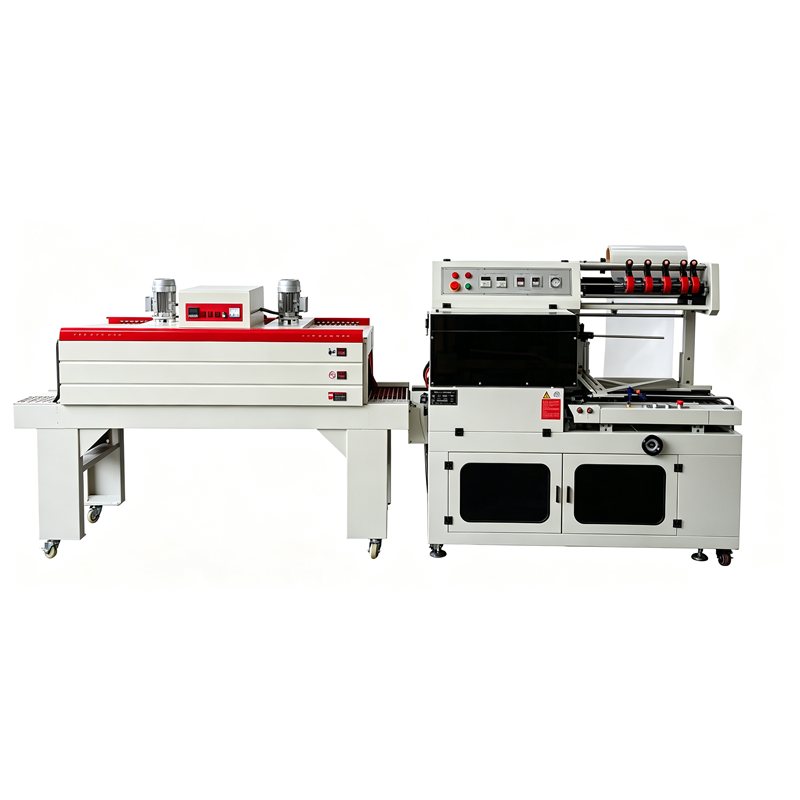
Speed and Capacity: Assess the machine's production  speed and capacity to ensure it  meets your operational demands.  High-speed machines, such as the BJ-450 Automatic Side Seal Shrink Packaging Machine, may be necessary for large-scale operations.

Confirming these  specifications  with  your supplier is vital  to ensure that the  equipment meets your needs and expectations.

Common Lamination Problems and Effective Solutions for Buyers

Common Lamination Problems and Effective Solutions for Buyers

Buyers often  encounter common issues  during the lamination process, which can affect product quality. Some of these problems include:

Wrinkling and Bubbles: These issues often arise due to improper temperature settings or insufficient pressure during lamination.  Regularly calibrate  your equipment and perform maintenance checks to prevent  these occurrences.

Delamination:  This refers to  the  separation of layers in  the laminated product, often caused  by  incompatible materials or inadequate adhesive application. Conducting thorough tests on material compatibility can  help mitigate this risk.

Surface Damage: Scratches or abrasions on  the laminated  surface can  result from improper handling or equipment malfunction. Training staff on proper handling  techniques  and  ensuring equipment is well-maintained can significantly reduce these  issues.

Understanding these common problems and their solutions can help you prepare for potential challenges in the lamination process, ensuring smoother  production runs.

Installation Guidance for Efficient Lamination Machinery Setup

Proper installation of  lamination machinery is crucial for  achieving optimal performance. Here are some key considerations:

Location: Ensure that the machinery is installed in a  clean, dry environment to prevent  contamination and damage. Adequate space for operation and  maintenance should also be factored in.

Leveling: The machine should be  installed  on a level surface to ensure proper operation.  Uneven surfaces can lead to misalignment and operational  inefficiencies.

Calibration: After installation, calibrate  the machinery according to the manufacturer's specifications. This includes setting the appropriate temperature, pressure, and speed settings based on the materials being used.

Training: Providing comprehensive  training for operators can enhance efficiency and reduce errors during the  lamination process. Ensure that staff are familiar with the machinery's functions  and maintenance requirements.

By following these installation guidelines, you can enhance the performance and lifespan of your lamination  equipment, ultimately contributing to  more efficient production processes.

In summary, understanding lamination's applications, sourcing reliable suppliers, recognizing technical specifications, addressing common problems, and properly installing machinery are key components for successful lamination  in your manufacturing processes. By  leveraging this knowledge,  you can make  more informed purchasing decisions that align with your  operational goals.

Understanding the Key Applications of Lamination in Manufacturing

Lamination  serves various applications across multiple industries, particularly in packaging, textiles, and construction. In the  context of manufacturing eco-friendly paper containers, lamination is used to enhance the  barrier properties of the paper, making it suitable for food packaging and other applications where moisture and grease resistance are  critical.

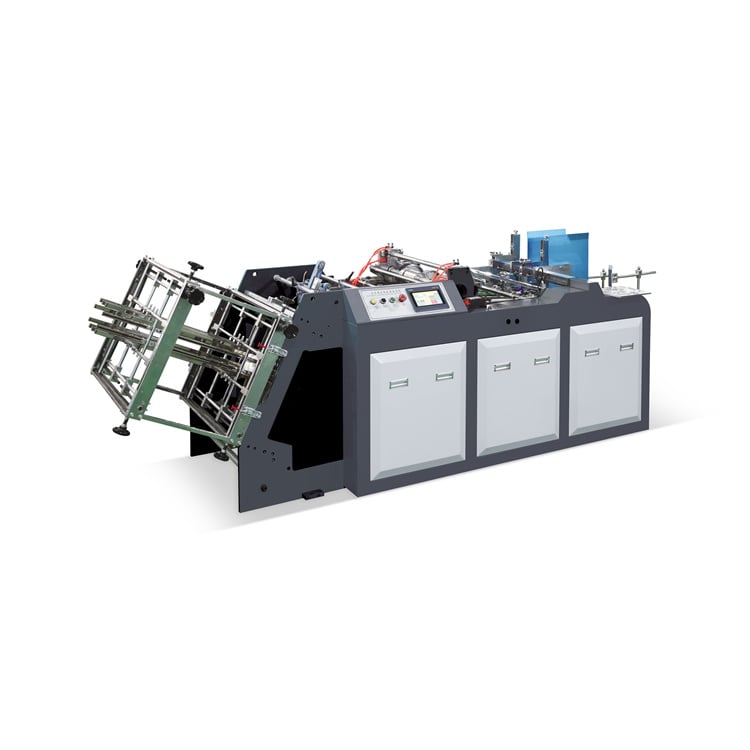
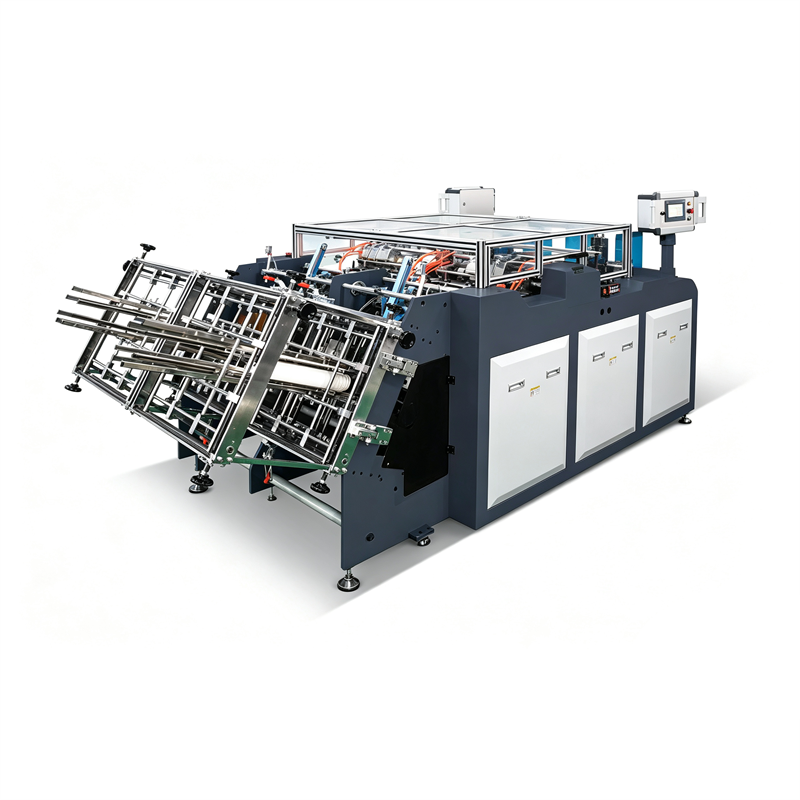
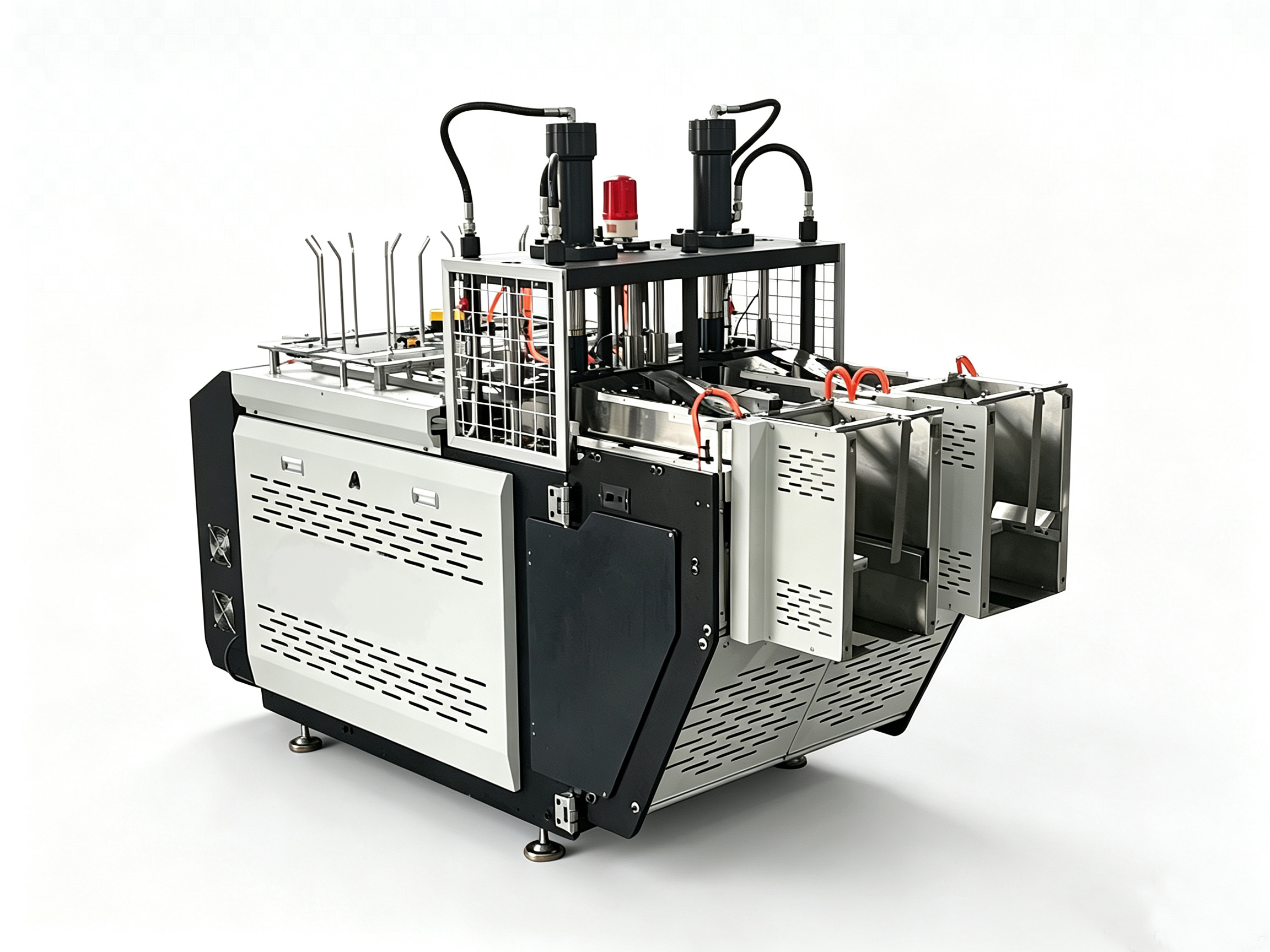
One of the key applications is in food service products, where lamination helps maintain the integrity and  freshness of food items. For instance, laminated containers can withstand  temperature changes and moisture  exposure, making  them  ideal for hot or cold foods. Additionally, lamination improves  the aesthetic appeal of products by allowing for vibrant prints  and designs that attract customer  attention. For those interested in machinery that supports such processes, the High speed paper plate making machine (Hydraulic type) is a notable option.

In industrial  applications, lamination can be utilized to create durable labels and tags that withstand  harsh  environments. This ensures that critical  information  remains legible and intact  throughout the product's lifecycle. Thus, understanding the specific application of lamination relevant to your needs is  crucial  for selecting the appropriate material and method.

Get a Free Quote

Our representative will contact you soon.
0/1000