Key Considerations for Laminators with Sheets

application/laminator-with-sheets, application/laminator-with-sheets, 
Inquiry
Inquiry

laminator with sheets

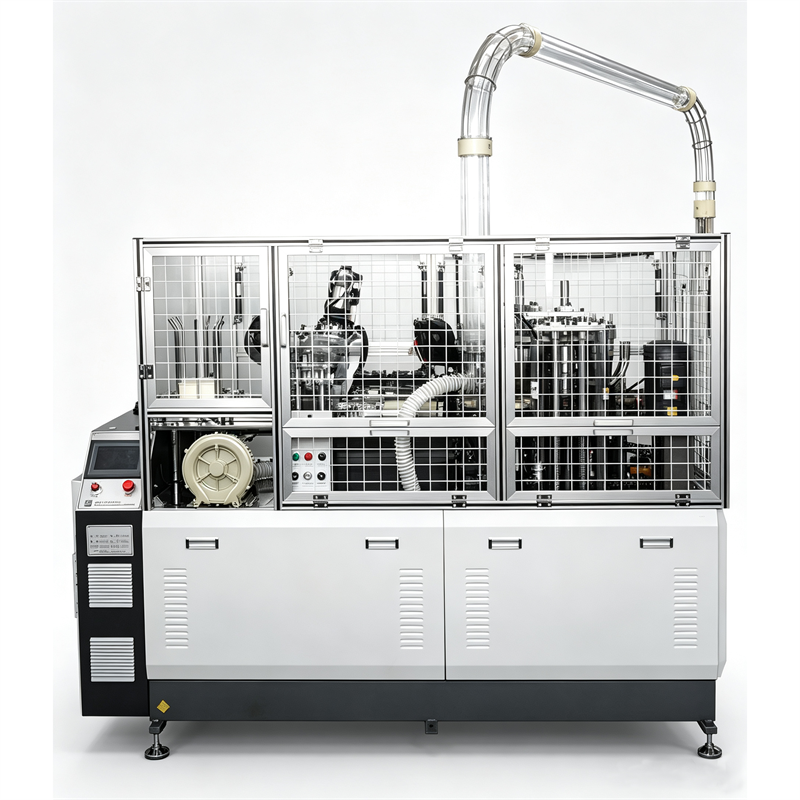
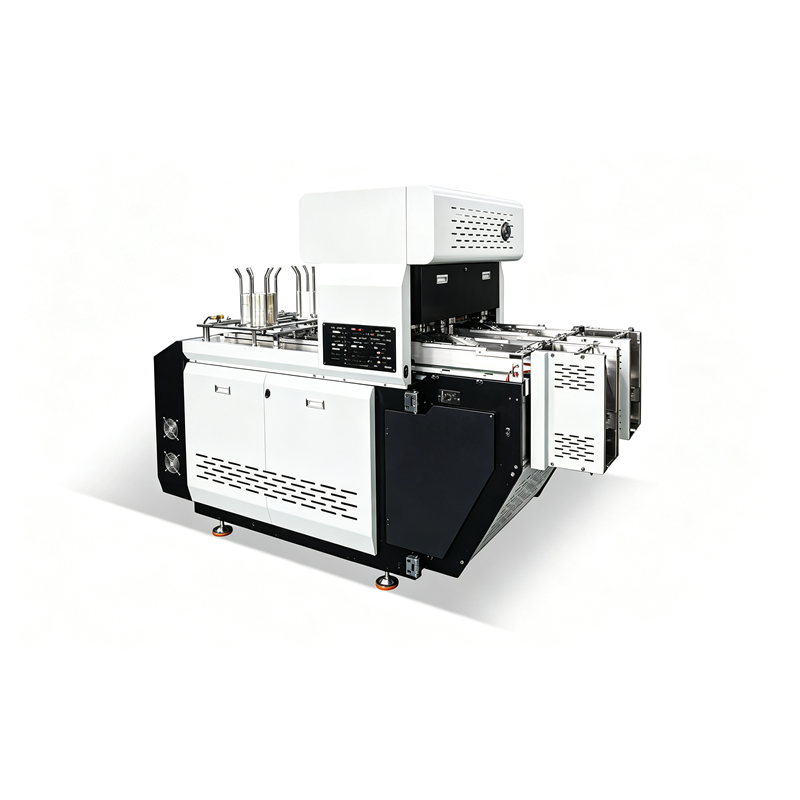
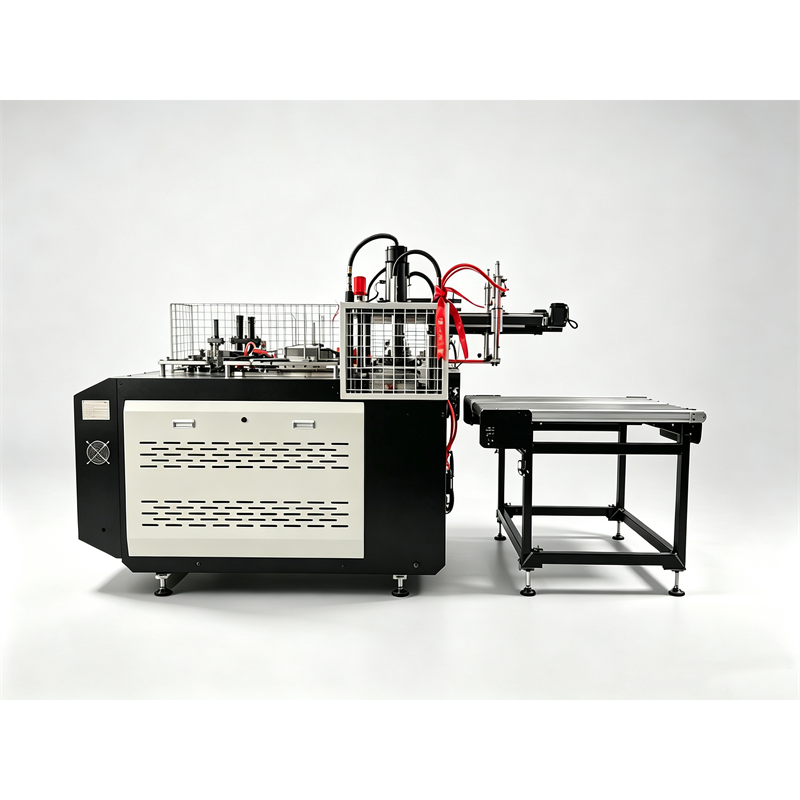
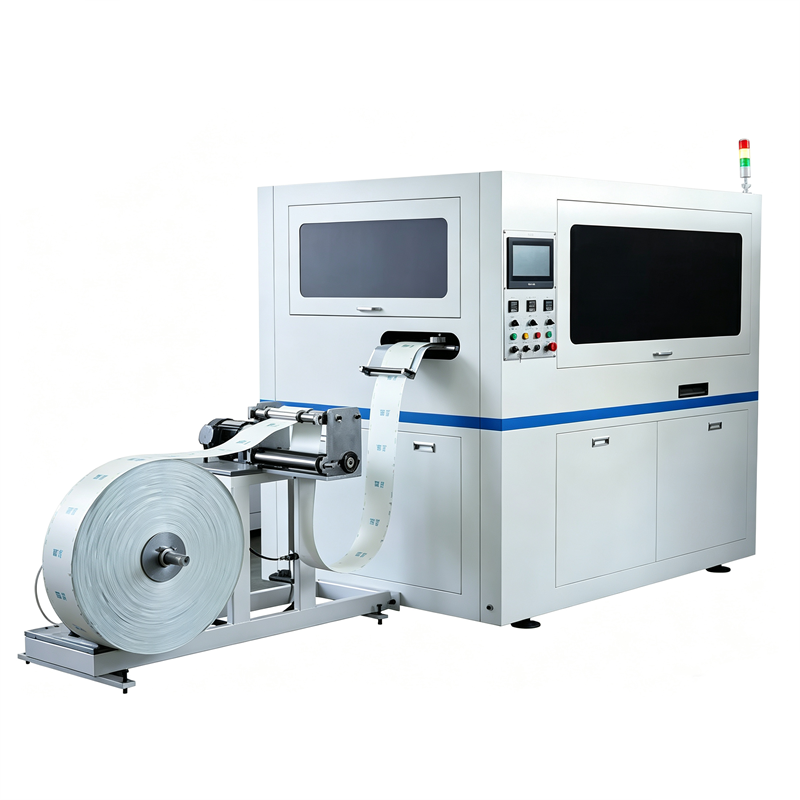
Laminators with sheets  are  essential  tools for businesses looking to enhance the durability  and presentation of documents and  printed materials. These machines provide  a protective  layer  to various products, ensuring they can  withstand wear and tear while also improving their aesthetic appeal. For  B2B buyers, key concerns typically include  product specifications, reliability of  suppliers, cost  considerations, and potential operational issues. This article  will  provide  valuable insights into these  areas, helping buyers make informed decisions  when purchasing  laminators with  sheets.

Finding Reliable Laminator Suppliers

Finding Reliable Laminator Suppliers

Identifying a trustworthy supplier is crucial for ensuring high-quality  laminators  with sheets and reliable after-sales support. Here are  some strategies for finding reputable suppliers:

Industry Experience: Look for suppliers with extensive experience in manufacturing laminators. Companies like Wenzhou  Unitely Machinery I/E Co., Ltd., known for their eco-friendly paper container machinery, demonstrate  a commitment  to quality and  innovation. For instance, if you're interested in packaging solutions, you might consider our BJ-450 Automatic Side Seal Shrink Packaging Machine.

Customer Reviews and Testimonials: Research online  to find reviews and testimonials from previous customers. Positive feedback can indicate a supplier's reliability and the quality of their products and services.

Certifications and Compliance: Verify  if the supplier holds  any relevant certifications, such as ISO, which  can reflect their commitment to  quality management and compliance with international standards.

After-Sales Support: Reliable suppliers should  offer strong after-sales support, including maintenance, troubleshooting, and spare parts availability. This is crucial for minimizing downtime and ensuring smooth  operations.

Customization Options: Consider  suppliers that offer OEM/ODM services, allowing you to tailor the laminator to your specific needs, whether  that’s in size, features, or branding.

By focusing  on  these criteria, buyers  can effectively evaluate potential suppliers and select one that meets their expectations for quality  and service.

Cost Factors When Purchasing Laminators with Sheets in Bulk

Cost Factors When Purchasing Laminators with Sheets in Bulk

When considering the purchase of laminators with sheets in bulk, various cost factors come into play. Understanding  these  elements will aid buyers in  budgeting effectively and negotiating better deals:


Unit Price:  The base price of the laminator can vary significantly based on specifications and features. Bulk orders often come with discounts, so  it's important to quantify expected volume to leverage better pricing.

Shipping Costs: Consider the logistics involved in transporting the laminators. Factors such as distance, weight, and shipping method can affect costs. It is also  wise to verify if the supplier includes shipping in their quoted price.


Custom Duties and Taxes: Depending on your location and the supplier's  country, import duties and taxes may apply. Understanding  these costs upfront can prevent unexpected expenses.

Installation and Training: If the  laminators require specialized installation or operator training, these costs  should be factored into the  total budget as well.

Maintenance  and Operation Costs: Assess ongoing costs, such as energy consumption  and maintenance needs, to gauge  the long-term investment. A more energy-efficient model may  have a higher upfront cost but  lower operational expenses over time.

By evaluating these cost  factors, buyers can make informed decisions that align with their financial constraints while ensuring they procure quality equipment.

 
Common Problems with Laminators and Effective Solutions

Common Problems with Laminators and Effective Solutions

Even the  best laminators can encounter issues that  may disrupt operations. Here are  some common problems and their solutions:

Jamming:  This is one of the most frequent issues, often caused by improper feeding or wrong pouch thickness. To prevent jamming, ensure that sheets are aligned correctly and compatible with the laminator's  specifications.

Inconsistent Laminating: If the finished product  has bubbles or wrinkles, it could indicate temperature issues or low-quality pouches. Regular maintenance, such as  cleaning rollers and ensuring proper settings, can  mitigate this problem.


Overheating: Excessive heat can warp documents or damage the laminator. Ensure the temperature is set  according to the material being processed and allow the machine to cool down between runs if necessary.


Poor Adhesion: If the  laminate does not adhere well, this may be  a sign of moisture in the environment or incompatible materials. To  resolve this,  check  the storage conditions  of both the laminator and  the pouches, as well as adjust the temperature  settings.

These common issues highlight the importance of regular maintenance and understanding operational requirements, enabling buyers  to optimize the use of their laminators effectively.

Applications of Laminators with Sheets in Various Industries

Laminators with sheets  find  applications across diverse industries, each leveraging their protective and  aesthetic benefits. Some notable applications include:

Education: Schools and universities utilize  laminators to preserve important documents, such  as certificates,  signs, and educational materials, ensuring  they withstand frequent handling.

Retail: In retail environments, laminated  menus, promotional materials, and signage  are prevalent. These items benefit from enhanced durability and a professional appearance, drawing  customer attention.

Healthcare: Laminators are used to protect sensitive documents  such as patient records, charts, and informational brochures, ensuring they remain legible and  intact  in demanding  environments.

Manufacturing: In manufacturing settings, laminated labels and instructions are essential to withstand the  rigors of production lines. Laminators help maintain clarity and  adherence under various conditions.

Marketing  and Advertising: Marketing agencies often use laminators for brochures and flyers, enhancing their presentation and longevity. This application helps companies maintain a professional image and ensure their marketing  materials look polished.

Understanding the various applications of laminators with sheets allows buyers to make informed decisions based on their industry requirements and product use cases.


By focusing on specifications, supplier reliability, cost factors, common operational  issues, and industry applications, this article provides a comprehensive overview for B2B buyers considering laminators with sheets. With this knowledge, businesses can make informed purchasing decisions that align with their operational needs and strategic goals.

Key Specifications to Consider for Laminators with Sheets

When selecting a laminator with  sheets, several specifications should be carefully evaluated to ensure the machine meets your operational needs.

Laminating Thickness:  This specification indicates the maximum thickness of the sheets that the laminator  can handle. A typical range is from 1.5  mil to 10 mil, with thicker laminations offering better  protection. However, it's essential  to match the thickness to your specific application; for instance, thicker laminates may be necessary for products exposed to harsh environments.

Speed: The laminating speed, measured  in inches per minute (IPM), affects productivity. Higher speeds are  crucial for businesses with high-volume needs. A machine that can process 10-15 IPM is generally suitable for medium to large-scale operations.

Temperature Control: Laminators with adjustable temperature settings allow for the use of different types of laminating pouches, which can vary in melting points. This flexibility is important to prevent damage to the documents being laminated, especially if they are  heat-sensitive.

Roll vs. Sheet Laminators: Depending on your  application, you may need to choose between roll laminators, which are ideal for large items, and sheet laminators, which  are more suitable for standard-sized documents. Each has its unique  benefits, and the choice will depend  on your specific use cases.

Feed Mechanism: A laminator's feed mechanism can be manual or automatic. Automatic feed systems can significantly improve  efficiency by reducing labor costs and minimizing the risk of misalignment during  the lamination process.

Understanding these  key specifications  will  help buyers  select a laminator that aligns with their operational requirements and enhances productivity.

Get a Free Quote

Our representative will contact you soon.
0/1000