Eating Tea Cup Making Machines: Key Insights

application/eating-tea-cup-making-machine, application/eating-tea-cup-making-machine, 
Inquiry
Inquiry

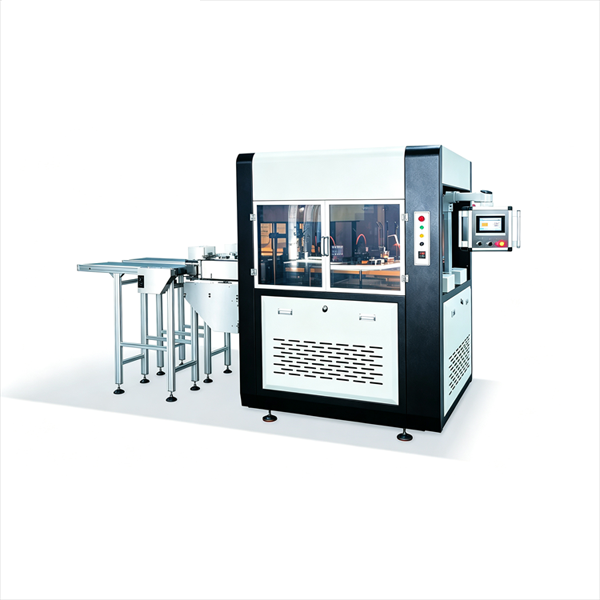
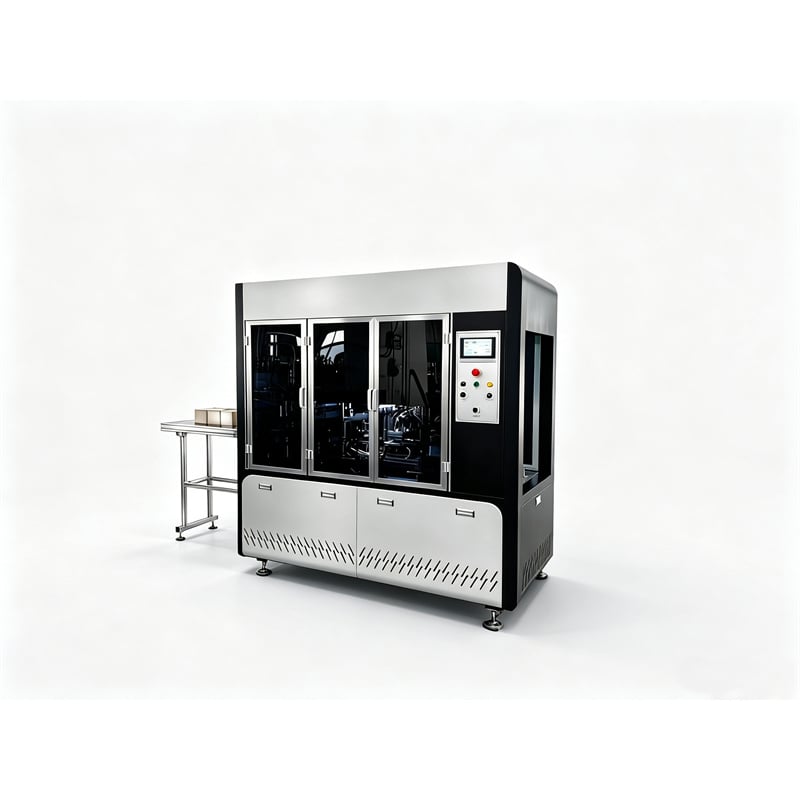
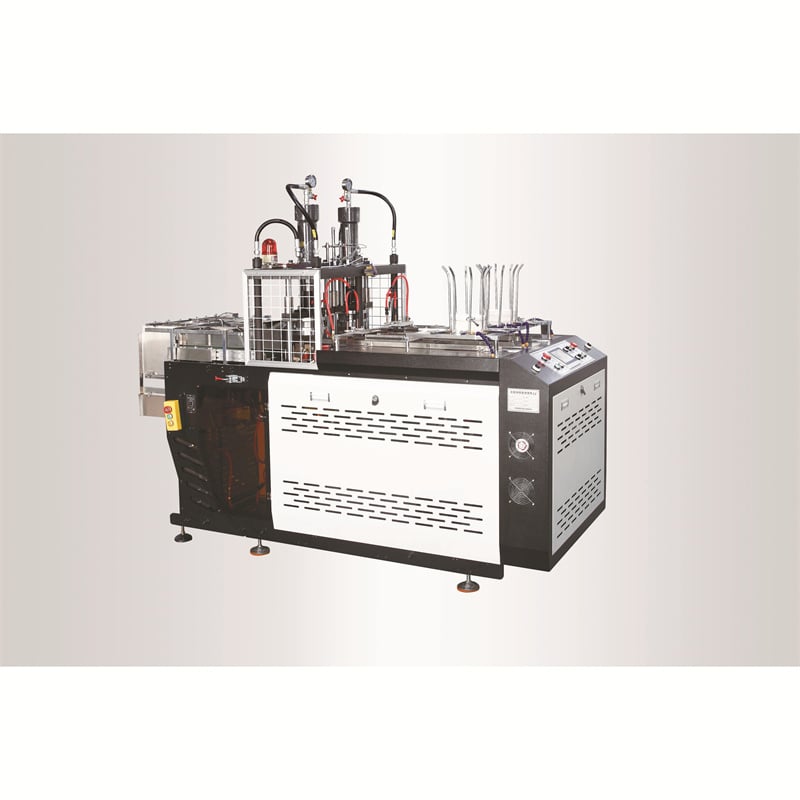
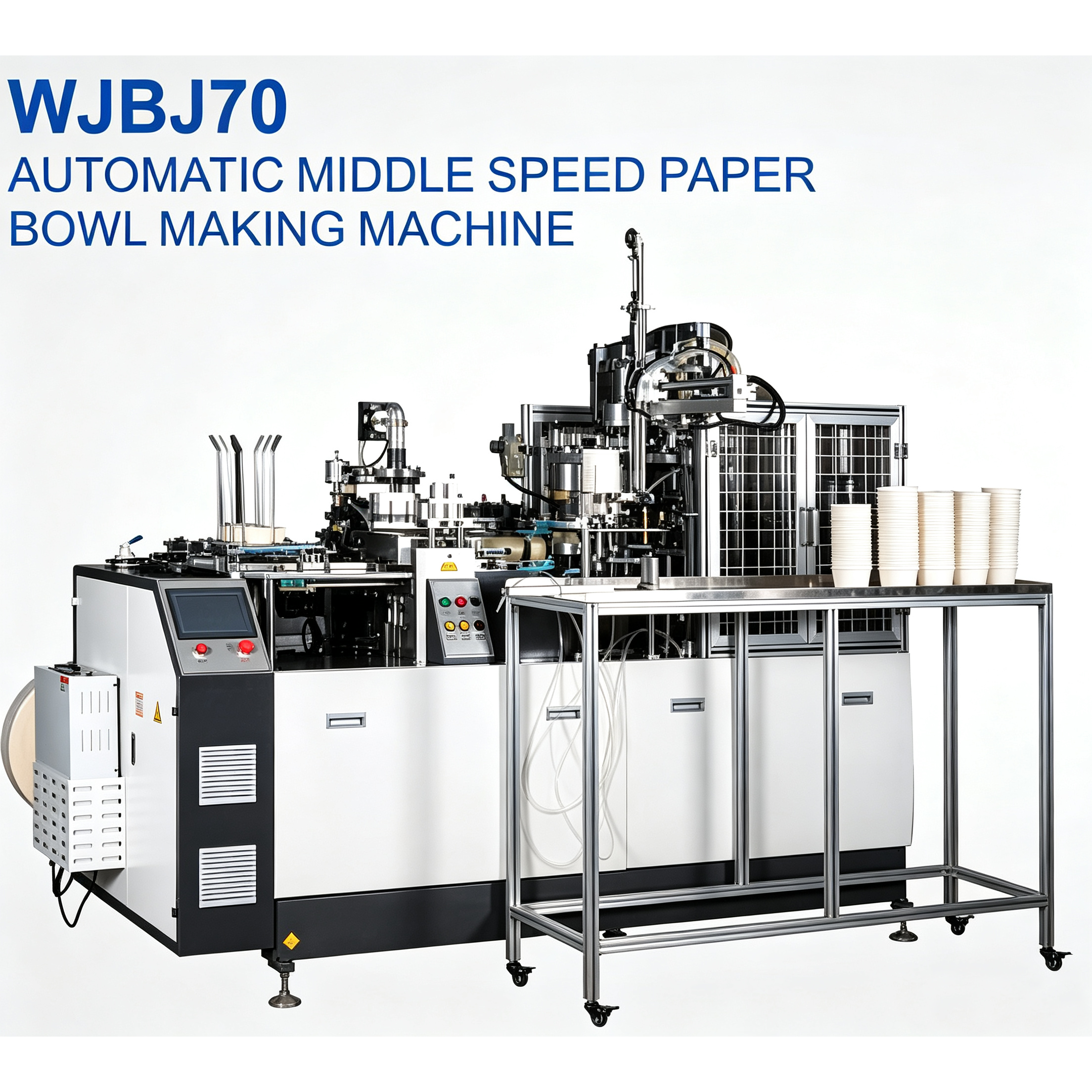
eating tea cup making machine

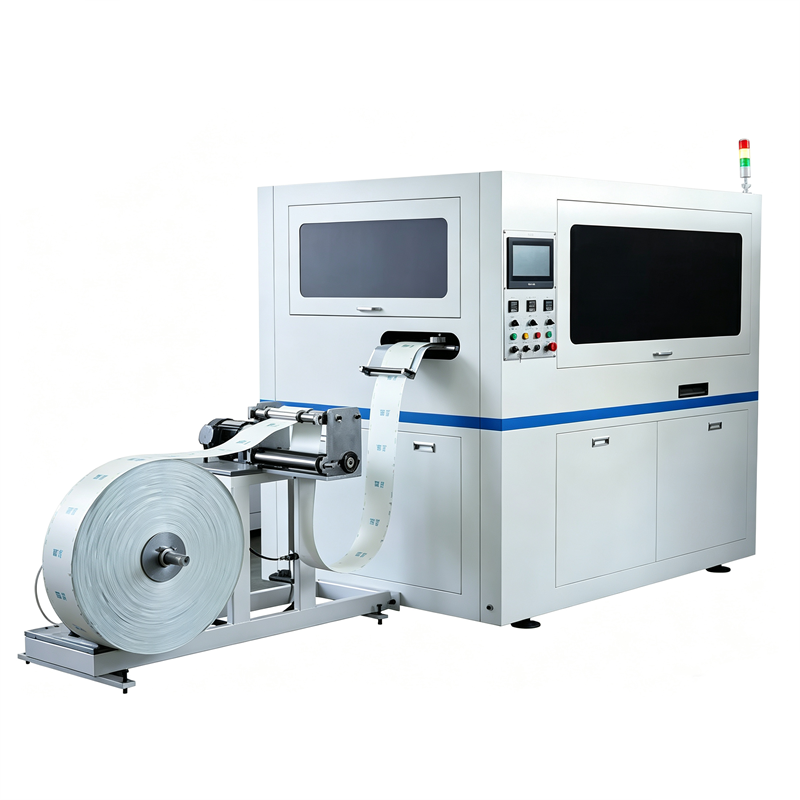
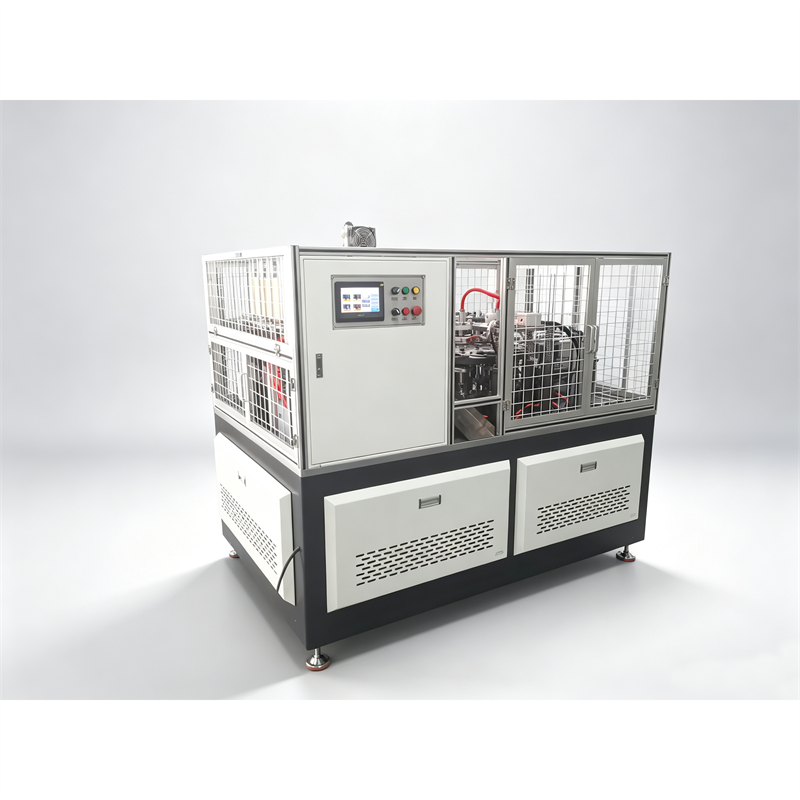
In the rapidly evolving packaging sector, the demand for  eco-friendly  solutions  has  spurred interest in eating tea cup making machines. These machines are designed to produce biodegradable  tea cups from paper, aligning with sustainability trends  while meeting the functional needs of various  businesses.  For purchasing managers, distributors, and manufacturers, understanding the  specifications, quality  evaluation  criteria,  cost factors, installation  processes,  and applications  of these machines is vital for informed decision-making. This article aims to  provide  essential  insights into these areas to assist in  your purchasing  journey.

How to Evaluate the Quality of Tea Cup Making Machines Before Purchase

How to Evaluate the Quality of Tea Cup Making Machines Before Purchase

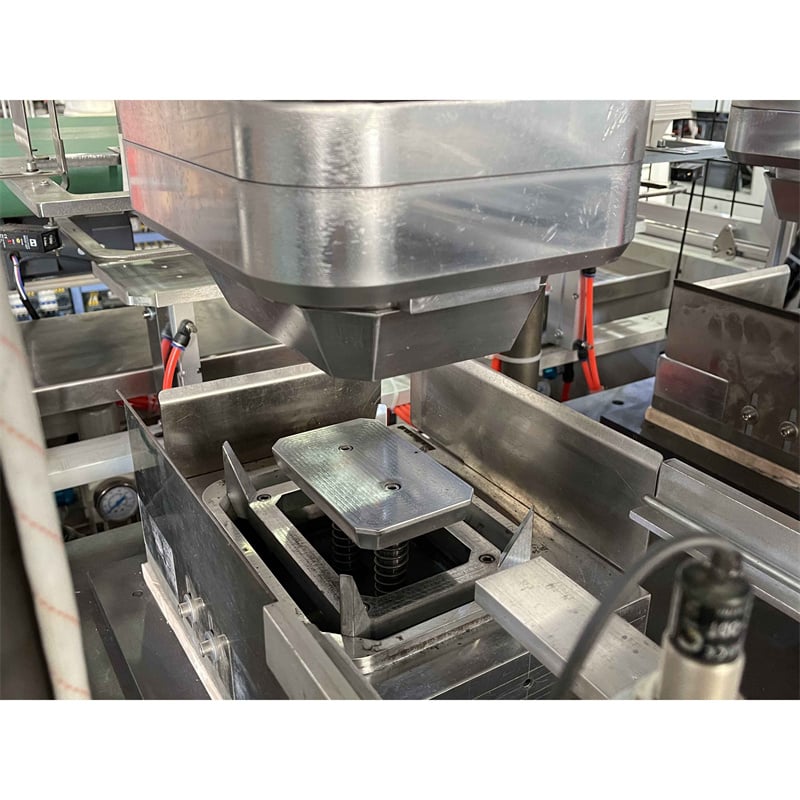
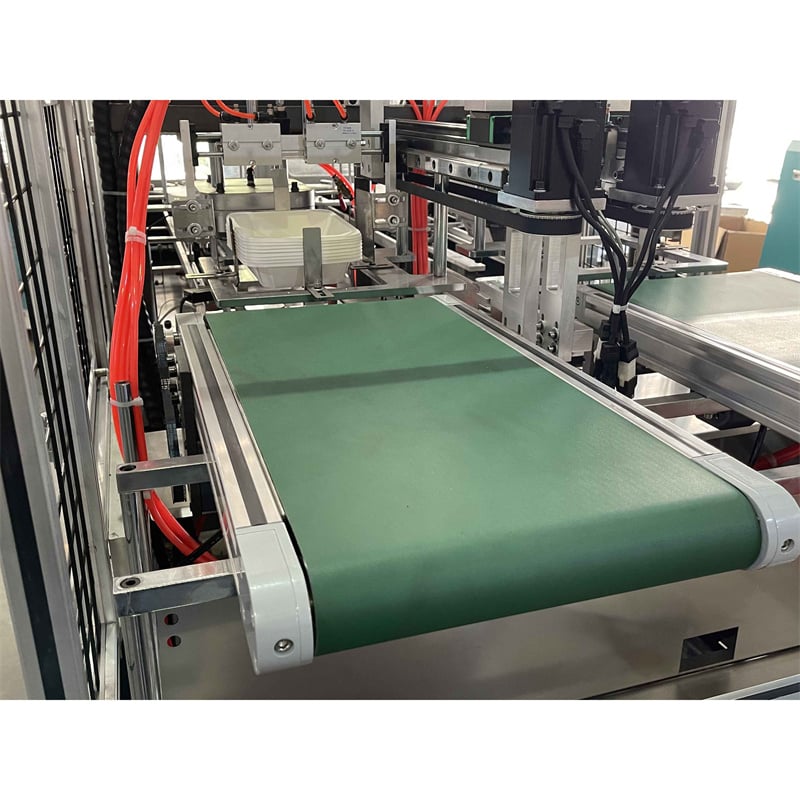
Evaluating the quality of tea cup making machines involves  several critical  steps.  Start by examining the machine's construction materials  and  build quality.  High-quality machines typically feature robust  components that withstand  rigorous production cycles. You should also inquire about the manufacturer's quality control processes; reliable manufacturers will have stringent testing procedures in place to ensure consistency and durability. Additionally, consider the advantages of investing in a Paper cup making machine for more efficient production.


Inspecting the machine's operational features  is equally  important. Look  for machines with  user-friendly interfaces, ease of maintenance, and efficient energy consumption features. Efficiency can significantly impact your production costs, making this  a vital aspect to consider.

Furthermore, request samples of the cups produced by the machine. This will allow you to  assess the quality firsthand, including the strength of the cup, surface finish, and overall aesthetics. A  sample approval process should always be part of  your evaluation to ensure the  final  product meets your expectations.

 
Understanding the Cost Factors of Tea Cup Making Machines for Importers

Understanding the Cost Factors of Tea Cup Making Machines for Importers

The cost of eating tea cup making machines can vary significantly based on several factors. Firstly, the  machine's  capacity and complexity directly influence pricing. High-capacity,  fully automated machines will generally cost more than manual or semi-automated options.

Material selection also plays a  role; machines designed for  specialized paper  types  or with advanced  features  may have higher price points.  Additionally, consider the cost of shipping and any tariffs or  taxes applicable  to your region,  as these can add to the overall expenditure.

Another  important factor is  the level of customization required. Custom molds or specific configurations can increase  costs, so it’s  essential to define your requirements clearly when requesting quotes. Don't forget to factor  in after-sales  service and support, as a machine with higher initial costs but better support may be more economical  in the long run.

Installation Guidance for Efficient Operation of Tea Cup Making Machines

Installation Guidance for Efficient Operation of Tea Cup Making Machines

Proper  installation is crucial for the efficient operation of  tea cup making machines. Begin by ensuring that the installation  site meets the manufacturer’s specifications, including adequate space, power supply, and ventilation. The machine  should be placed on a stable  surface to minimize vibrations during operation, which  can lead  to quality  issues.

It is  advisable to have  qualified technicians conduct the installation. They will ensure that all components are correctly  assembled and  calibrated, which is essential  for optimal performance. After installation, conduct a thorough testing phase to troubleshoot  any potential  issues before commencing full-scale production.

Training your  staff on  the machine’s operation is equally important. Ensure that they understand both the operational and safety protocols. Regular  maintenance checks should also  be scheduled to ensure the machine continues to  operate efficiently over time.

Applications of Eco-Friendly Tea Cup Making Machines in the Industry

Eco-friendly tea cup making machines have wide applications  across  various sectors.  In  the food and  beverage industry, these machines are essential for producing disposable cups  that  meet sustainability goals. They  are particularly  popular in cafes, restaurants, and catering services looking to reduce their environmental footprint while offering quality products. If you're interested in other eco-friendly options, consider exploring the Eco-friendly paper meal box machine as an alternative packaging solution.

Moreover, these machines are increasingly being  utilized in events and festivals, where single-use products are  often necessary. As consumer  preferences shift towards sustainable packaging options, businesses that incorporate eco-friendly tea cups can  enhance their brand image and meet regulatory pressures regarding plastic usage.

Additionally, there  is potential for customization in designs, allowing businesses  to tailor  products for specific events or branding purposes. This adaptability not only meets market demand but also opens avenues for creative marketing strategies.

By  understanding the specifications, quality evaluation criteria, cost factors, installation requirements, and applications of eating  tea cup making machines, you can make informed purchasing decisions that align with your business goals and sustainability  objectives. This knowledge will empower you to engage effectively with suppliers and optimize your  production processes.

Key Specifications of Quality Tea Cup Making Machines You Should Know

When selecting an  eating tea cup making machine, several key specifications warrant attention. Firstly, the  production capacity is crucial; machines can vary from  small-scale units producing  a few hundred cups per  hour to high-capacity models  capable of thousands. This capacity should align  with  your production  needs  and market  demand.

Additionally, the material compatibility is essential. Most machines are designed for specific types of paper, typically  coated to  ensure  moisture  resistance and structural integrity. The thickness of the paper  used can affect the final product's durability and appearance, so it's important to match the machine's specifications with your chosen material.

Moreover, the dimensions of the cups, including height and  diameter, must be verified. Machines may  offer adjustable  molds, but understanding the limits of these adjustments will help avoid compatibility issues. Lastly, consider any certifications the machine may  hold, which can be indicative of quality standards, particularly in export markets.

Get a Free Quote

Our representative will contact you soon.
0/1000