Edible Tea Cup Making Machine Price and Specifications

application/edible-tea-cup-making-machine-price, application/edible-tea-cup-making-machine-price, 
Inquiry
Inquiry

edible tea cup making machine price

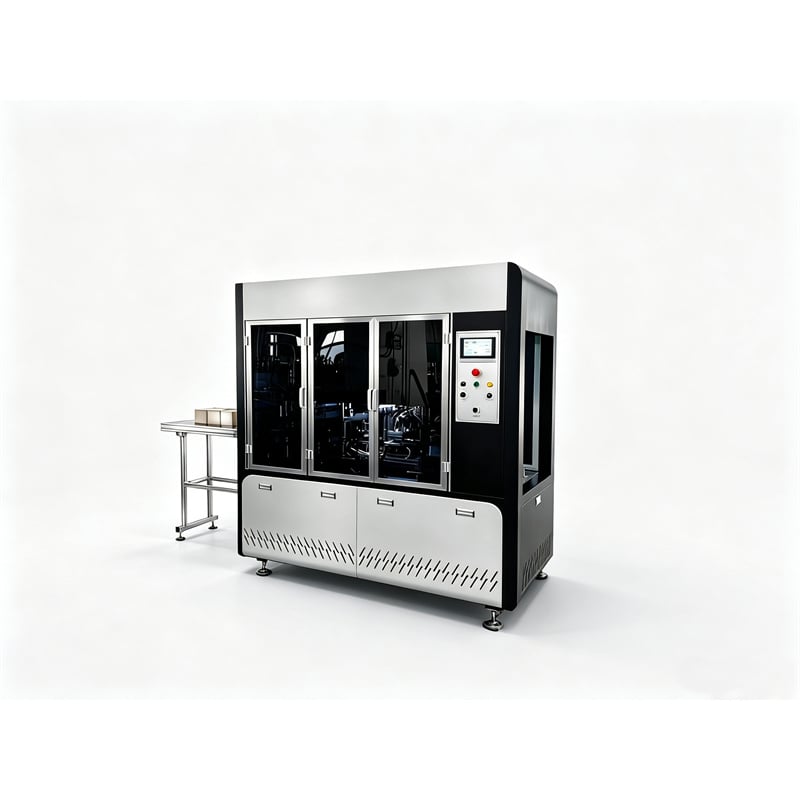
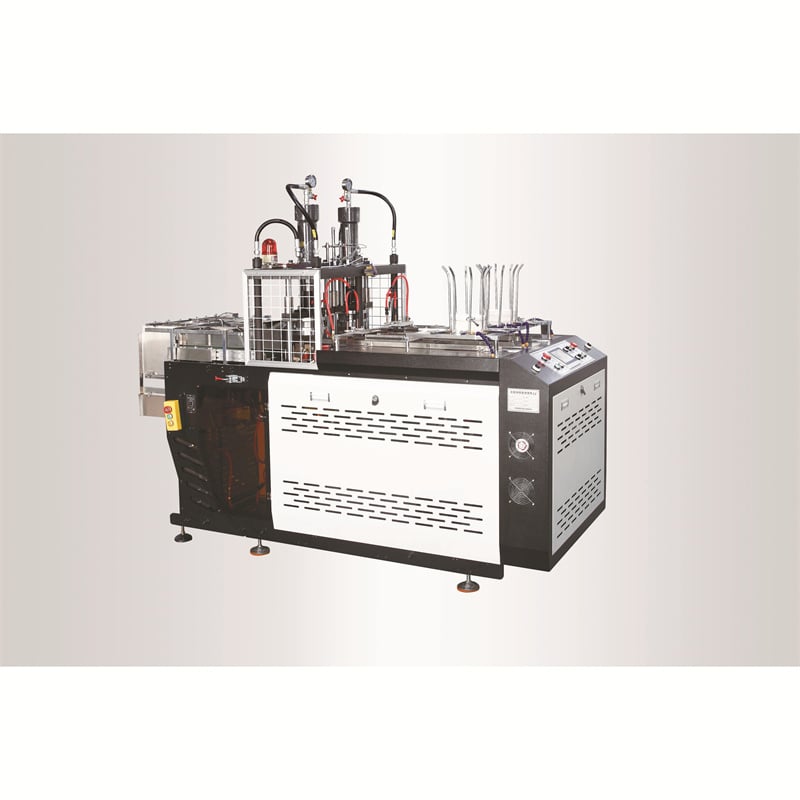
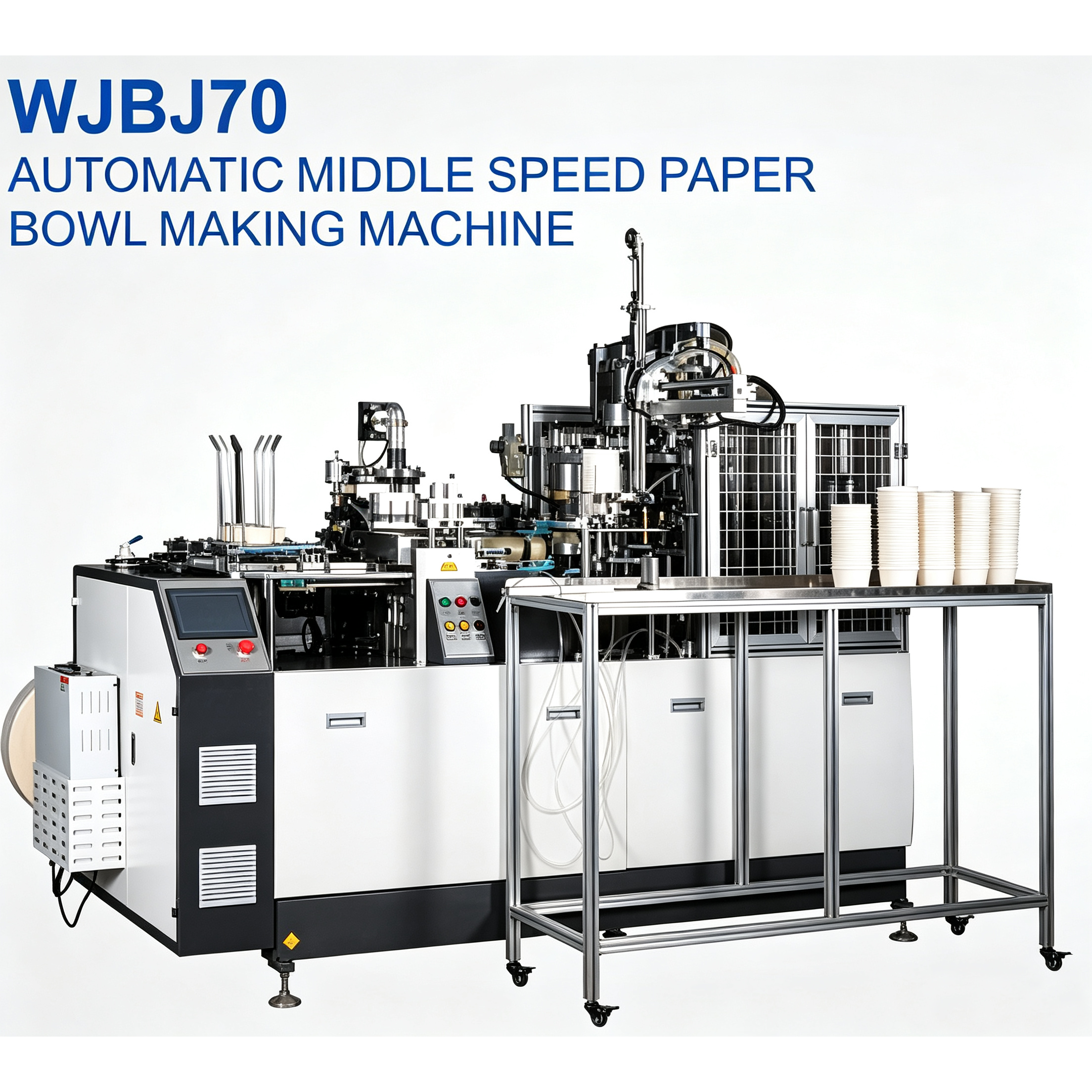
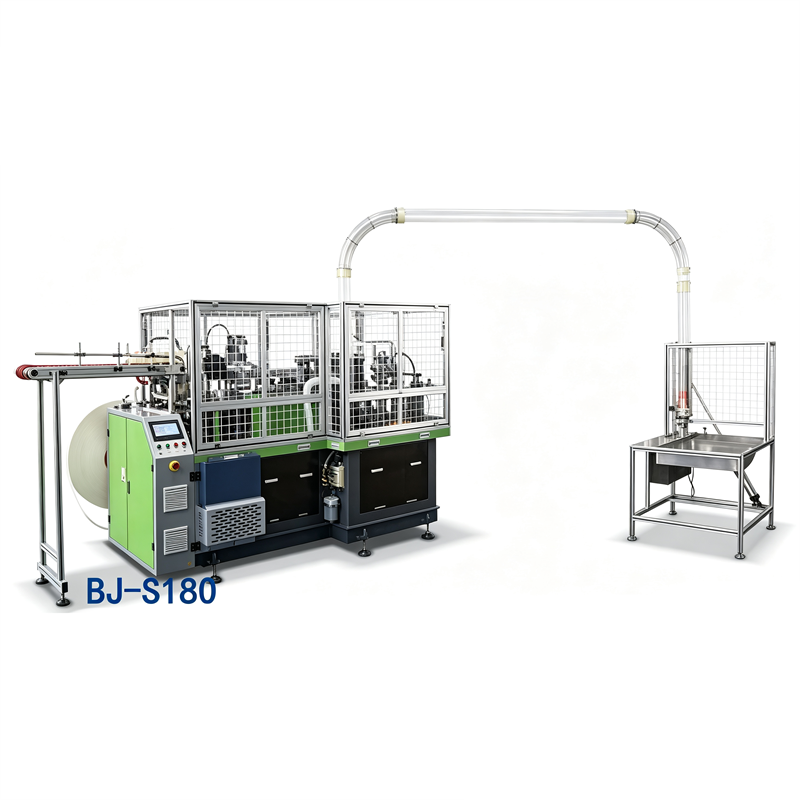
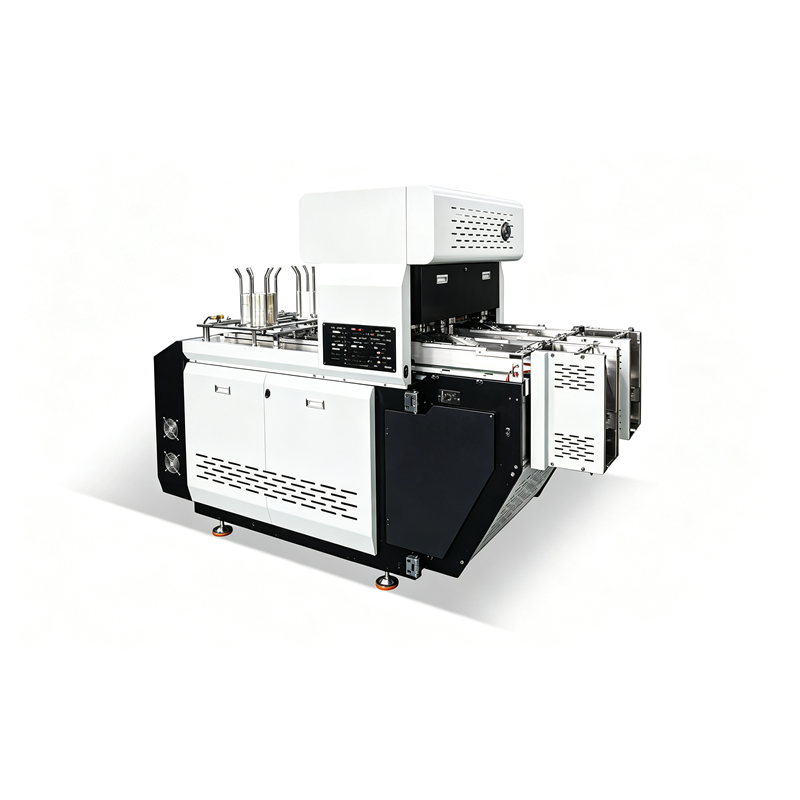
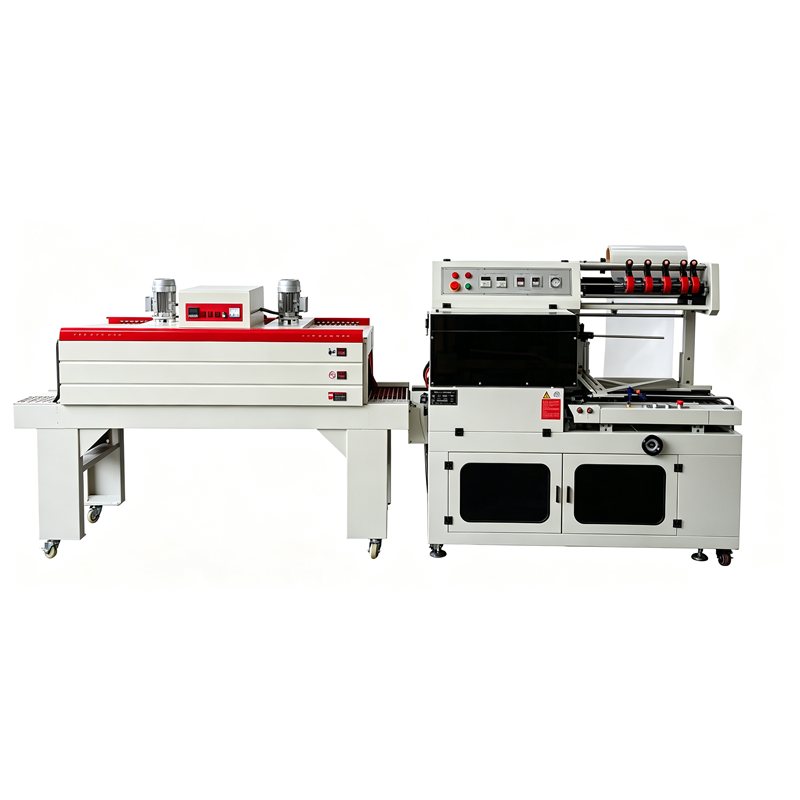
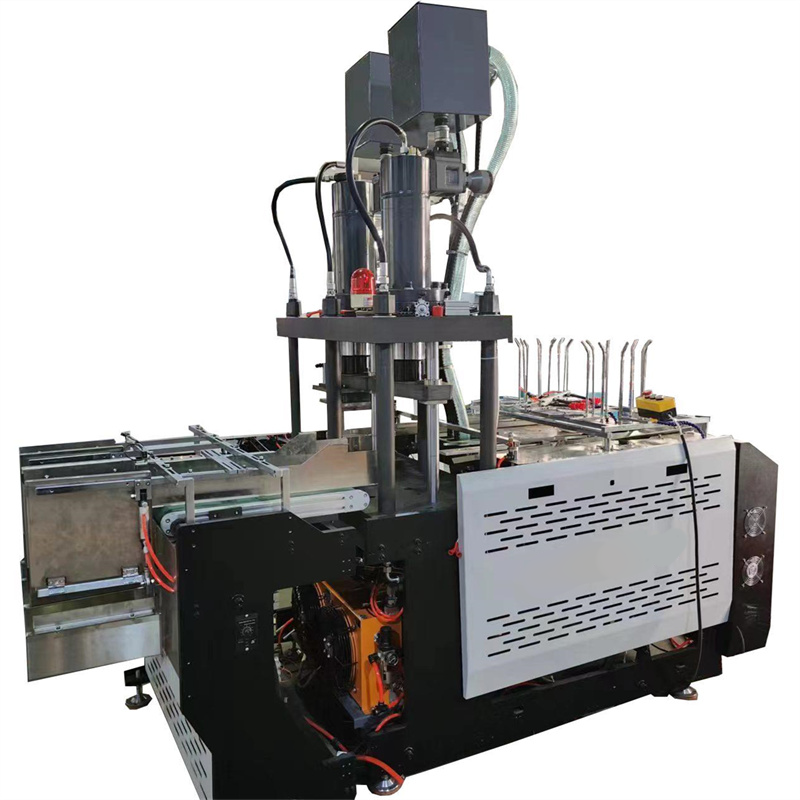
Edible tea cup  making machines are  specialized equipment designed  to produce biodegradable,  edible cups used  in the beverage industry.  With growing environmental concerns, these machines offer  a sustainable alternative to traditional disposable  cups. B2B buyers, including  purchasing managers  and product managers, often  seek detailed insights into  the edible  tea  cup making machine price, specifications,  and overall production capabilities. This article  aims to  provide a comprehensive understanding of the key specifications, cost factors,  common manufacturing issues, effective installation methods, and the applications of these machines in  the food industry. For those interested in more sustainable options, the Eco-friendly paper meal box machine is also worth exploring.

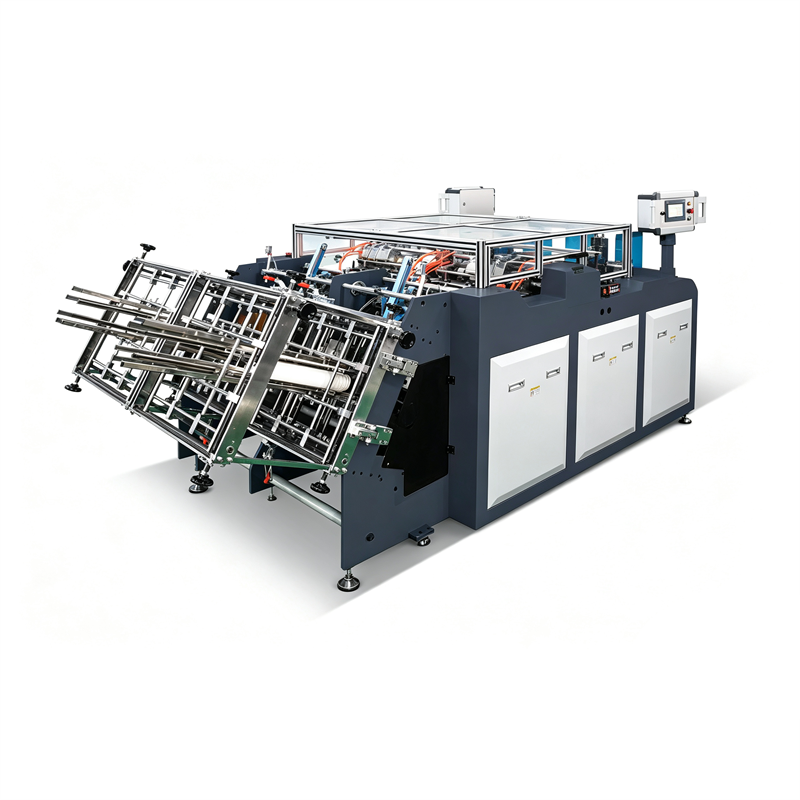
 
Cost Factors to Consider for Edible Tea Cup Production Equipment

Cost Factors to Consider for Edible Tea Cup Production Equipment

The price of an edible tea cup making machine can vary significantly based on  several factors:

Machine  Type and Features: Basic models may be more affordable, but  they often have limited capabilities. Machines equipped with advanced features such as high-speed production, automation, and enhanced material handling will typically carry a higher price tag.

Customization Options: Many manufacturers, including Wenzhou  Unitely Machinery I/E Co., Ltd., offer OEM/ODM services,  allowing buyers to customize machines according to their specific needs. Customization can  include alterations in size, shape, or production capabilities, which  may influence the overall cost.

Production Volume: Larger machines designed for higher  output generally come at a higher price. Buyers should assess their production requirements and choose a machine that balances initial investment with long-term production efficiency.

After-Sales Support: Consider the  level  of after-sales support provided by the manufacturer. Reliable support can  reduce downtime and  maintenance costs, which can  be a significant factor  in the overall cost of ownership.

Shipping  and Installation Costs: Depending  on the machine's size and complexity, shipping  and installation can  add substantial costs. Buyers should factor these into their total budget  when evaluating machine prices.

By understanding these cost factors, buyers can better assess their budget and make a strategic  investment in edible tea cup production equipment.

Common Problems in Edible Tea Cup Manufacturing and Their Solutions

Common Problems in Edible Tea Cup Manufacturing and Their Solutions

While producing edible tea cups, manufacturers may  encounter several common issues:


Material Quality Variability: Inconsistent material quality can lead to defects in the cups,  such as inadequate strength or poor shape retention. To mitigate this, buyers should  work  closely with reputable suppliers and conduct pre-production material tests to ensure uniformity.

Machine Calibration Issues:  If the machine is not calibrated correctly, it may  produce  cups that do not  meet dimensional specifications.  Regular maintenance and calibration checks are essential to ensure consistent production quality.


Production Downtime: Unexpected  machine failures can disrupt production schedules. Investing in reliable machinery and  establishing a routine maintenance  schedule can help minimize  downtime.

Environmental Factors: Factors such as humidity and temperature can affect  the production process and the final product quality. Buyers should maintain a controlled production environment to mitigate these issues.

Design Complexity: Complex cup designs may pose challenges  in the production process. It’s advisable to start with simpler designs and gradually incorporate more complex features as  the production process stabilizes.

By anticipating these common problems and implementing  proactive solutions, manufacturers can enhance their operational  efficiency and produce high-quality edible tea cups.

How to Install Your Edible Tea Cup Making Machine Effectively

How to Install Your Edible Tea Cup Making Machine Effectively

Proper installation of an edible tea cup  making machine is critical to ensure optimal performance:

Site Preparation: Before  installation, ensure that the site is prepared  with adequate space,  electrical connections, and plumbing if required. The layout  should allow for smooth workflow and easy access for maintenance.

Follow Manufacturer  Guidelines: Always refer to the manufacturer’s installation  manual for specific  instructions. This includes details on assembling components, setting electrical connections, and integrating safety features.


Calibration and Testing: After installation, calibrate the machine according to the specified  settings. Conduct trial runs with the chosen materials to  verify that the machine operates correctly and produces cups that meet your quality standards.

Training Personnel: Ensure that operators are trained on the  machine's operation and safety protocols. Proper  training minimizes the risk  of accidents and enhances production efficiency.

Documentation: Keep a  record of the installation process, including any  adjustments made and  initial  calibration settings. This  documentation will be useful for  troubleshooting and future maintenance.

Effective installation lays the groundwork for successful production and minimizes potential operational issues.

Applications of Edible Tea Cup Machines in the Food Industry

Edible tea cup  making machines serve various applications within the food industry:

Beverage Service: These machines are  particularly popular  in cafés and restaurants that aim to provide environmentally  friendly service  options. Edible  cups can  enhance the  customer experience by offering  a unique, sustainable alternative to traditional cups.

Event Catering: For events such as weddings, festivals, or corporate gatherings, edible  cups offer an innovative way to serve beverages. Their novelty can attract attention and align with eco-conscious themes.


Food Pairing: Edible cups can be paired with certain food items, providing a dual experience  of taste and convenience. This application can be marketed as a gourmet offering.

Sustainable Packaging Solutions: As more companies strive for sustainability,  edible cups represent a forward-thinking packaging solution that  aligns  with consumer preferences for eco-friendly products. For businesses looking for additional packaging solutions, the Paper box forming machine could be a great option.

Food Innovations: Companies focused on culinary innovations can utilize  edible cups to create unique food experiences, positioning themselves as leaders  in sustainable gastronomy.

Understanding the diverse applications of edible  tea  cup machines helps buyers identify new market opportunities and innovate within their product offerings.

Key Specifications for Edible Tea Cup Making Machinery

When considering  an edible tea cup  making machine, there are  several key specifications  to evaluate:

Production Capacity: This refers to the number of cups the  machine can produce per hour. Typical production rates may vary depending on the machine model and the complexity of the cup design. For efficient operations, buyers should assess their expected output to choose a machine that meets their production needs.

Material Compatibility: The  machines are designed to work with  various edible materials, such as starch, seaweed, or rice flour. Buyers should confirm that the machine can handle the  specific material they intend to use, as this affects both the  quality of the final product and  the production process.

Power Requirements: Understanding  the machine’s energy  consumption is crucial  for operational cost estimations.  Buyers should verify the voltage and power specifications to ensure compatibility with their  facility’s electrical infrastructure.

Automation Level: Machines can be fully automated or semi-automated. Automated  machines typically require less labor and can enhance production efficiency,  while semi-automated machines may offer more flexibility  for smaller operations.

Quality Certifications: Look for machines that comply with international  standards such as ISO or CE certification. This ensures that the machinery meets safety and quality requirements, which is essential for food-related products.

Understanding these specifications helps buyers make informed decisions that  align with their production goals and quality standards.

Get a Free Quote

Our representative will contact you soon.
0/1000