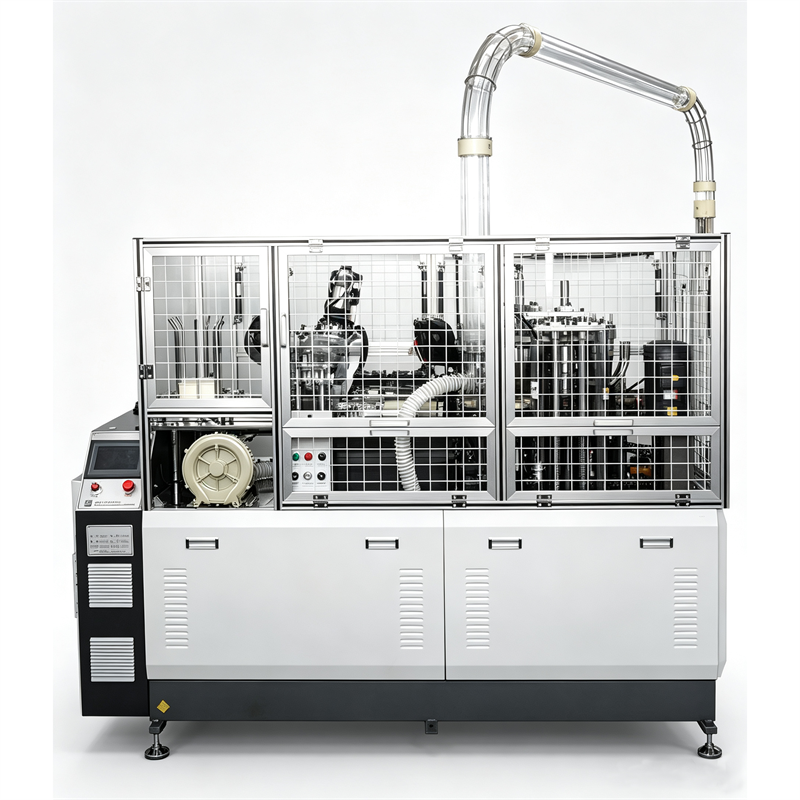
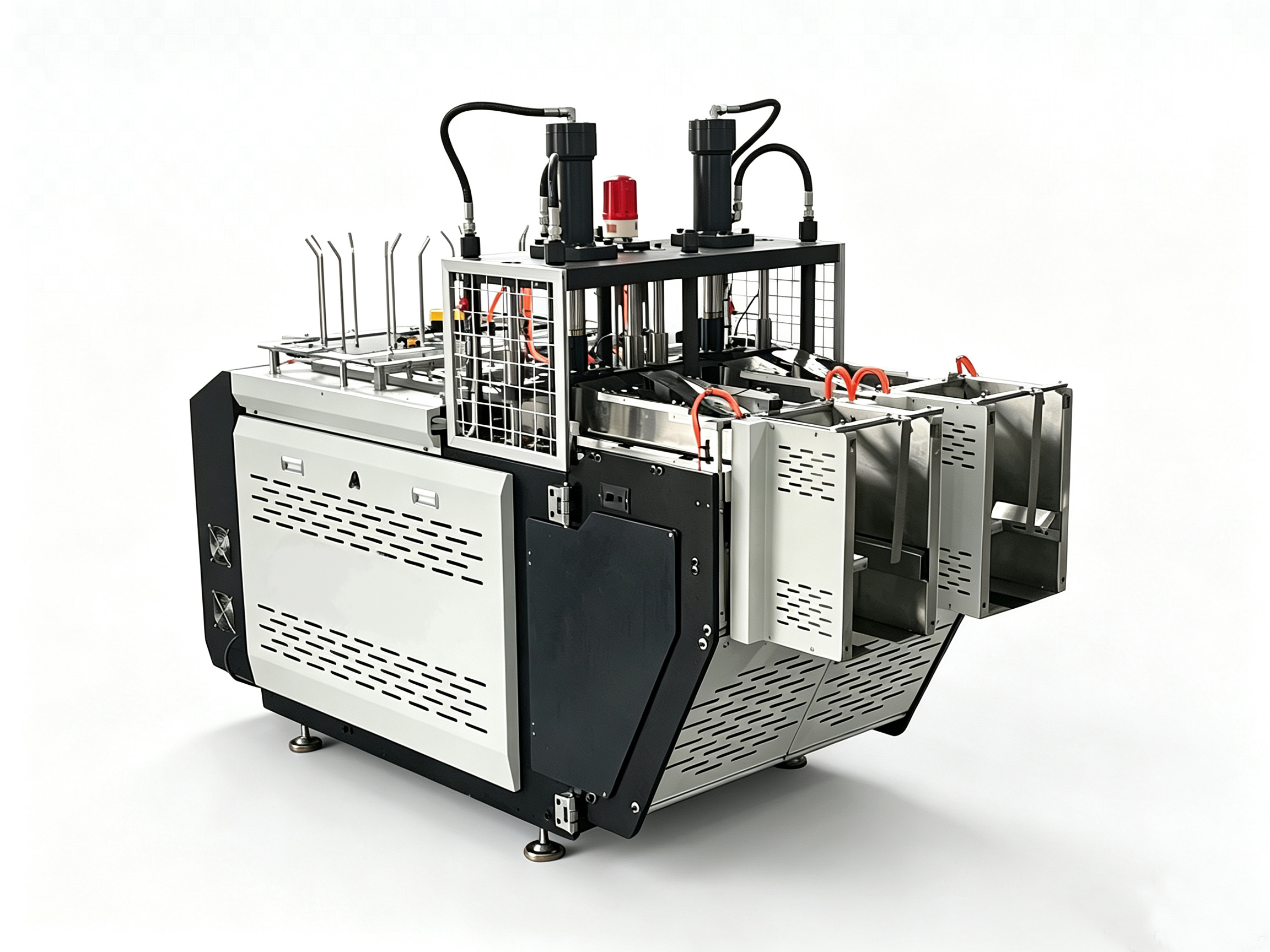
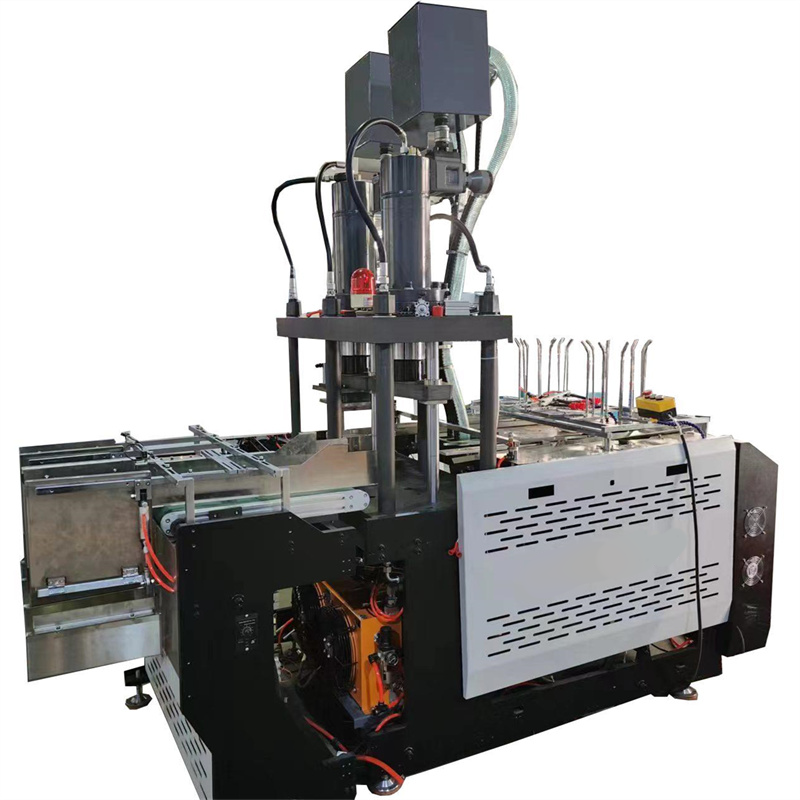
Choosing the Right Cardboard Creasing Machine

application/cardboard-creasing-machine, application/cardboard-creasing-machine, 
Inquiry
Inquiry

cardboard creasing machine

A  cardboard creasing machine  is a specialized piece of equipment used to create precise creases in cardboard, facilitating  the folding and shaping required for packaging  and product  displays. For B2B buyers, the choice of a creasing  machine can  significantly  impact  production  efficiency, product  quality, and operational costs. This  article will guide you through  the  key  considerations for  selecting a cardboard creasing machine,  ensuring you make an informed  decision  tailored to your business needs.

 
Key Specifications to Consider for Cardboard Creasing Machines

Key Specifications to Consider for Cardboard Creasing Machines

When evaluating cardboard creasing  machines, pay attention to critical  specifications that affect performance:

Creasing Width: The width of the creasing line is essential, especially for packaging designs that require precise folds. Ensure the  machine  can accommodate your specific  product dimensions.

Speed  and Efficiency: Measured in  creases per minute, speed is a crucial factor for high-volume operations.  While a faster machine increases output,  consider the balance  with precision and quality.

Adjustability: Machines with adjustable  settings for depth and pressure can  accommodate various cardboard types, enhancing versatility. This feature  is particularly beneficial for businesses that  work with  different materials or product sizes.

Automation Level: Fully automatic machines streamline  production but may come with a higher price tag.  Assess  whether the investment aligns with your production goals.

Durability and Build Quality: A  robust construction is vital for long-term use and reliability. Look  for machines made from high-quality materials that can withstand the rigors of daily operation.

How to Evaluate the Quality of Cardboard Creasing Machines

How to Evaluate the Quality of Cardboard Creasing Machines

Quality assessment should begin with a thorough  inspection of  the  machine's construction and  components. Look for reputable manufacturers that provide detailed  specifications  and materials used in their machines.  Key indicators of quality  include:

Precision Engineering: Machines should  deliver consistent creases with minimal tolerance. Ask  for  performance data or customer testimonials to gauge reliability.

After-Sales Support: Strong after-sales  support is crucial. Reliable manufacturers offer maintenance services and  spare parts, ensuring your machine  remains operational.


User Reviews:  Research feedback from existing users regarding machine performance and durability. This insight can highlight potential  issues  or  advantages.

Certifications: While specific certifications were not mentioned in the  company background, industry-standard certifications can indicate adherence to quality and safety regulations.

Cost Factors to Consider When Purchasing Cardboard Creasing Machines

Cost Factors to Consider When Purchasing Cardboard Creasing Machines

Pricing for cardboard creasing machines can  vary widely based on features, brand, and capacity. Here are key cost  factors to consider:

Initial  Investment vs. Operational Costs: A higher upfront cost may be justified by lower operational costs,  such as energy efficiency and  maintenance. Perform a total cost of ownership analysis to evaluate long-term savings.

Customization Needs: Custom features can increase the purchase  price. Determine what level  of customization is necessary for  your applications  and budget  accordingly.

Volume Discounts: If you plan to purchase multiple machines or additional equipment, inquire about volume  discounts. This can significantly  reduce the overall  cost.

Warranty and Service Plans: Extended warranties and service plans can add to initial costs but may  save money in the long  run by reducing repair and maintenance expenses.

Shipping and  Installation Costs:   Factor in shipping costs and any additional fees for  installation. Some manufacturers may  offer free  installation services, which can be a valuable consideration.

Common Problems with Cardboard Creasing Machines and Their Solutions

Understanding common issues can help buyers prepare  for and mitigate potential challenges:

Inconsistent Creases: This may result from improper  machine settings or  worn components. Regular maintenance and calibration are essential to maintain crease quality.

Material  Jamming: Jamming can occur due to incompatible cardboard thickness or improper feeding techniques. Use the correct settings for the material type and ensure proper alignment during operation.

Durability Issues: Machines that  frequently break down can  disrupt production. Choosing a machine from a reputable manufacturer, like Wenzhou Unitely Machinery I/E Co., Ltd., that emphasizes quality can help minimize downtime.


Operator Errors: Human error  can  lead to operational  inefficiencies. Providing thorough training  for operators can significantly reduce mistakes and enhance productivity.

By addressing these common issues proactively,  businesses can ensure smoother operations and maximize the return on  their investment  in a  cardboard creasing machine.

selecting the  right  cardboard creasing machine involves understanding your specific business needs,  evaluating key specifications, and preparing for potential challenges. With the right  information and a clear understanding of your requirements, you can confidently choose a machine that enhances your production  capabilities. Additionally, exploring options like the BJ-450 Automatic Side Seal Shrink Packaging Machine may also be beneficial for complementary packaging solutions.

Choosing the Right Cardboard Creasing Machine for Your Business Needs

Selecting the  right  cardboard creasing  machine depends on several  factors, including production volume,  material specifications,  and  intended application. First,  assess  your production requirements: high-volume operations may require faster, automated machines, while smaller businesses might benefit  from manual or semi-automatic options. 

Consider the types of cardboard you will be working with—different materials may necessitate different creasing techniques.  For example, thicker materials might require machines  with adjustable  pressure settings to avoid damaging the substrate. Additionally, evaluate the versatility  of  the machine;  models that  can handle various sizes and thicknesses can adapt to changing production  needs,  reducing the need for multiple machines. For instance, if you're considering models like the 25 Tons Pressure Paper Plate Machine PT25 Hydraulic, it’s essential to check their compatibility with your cardboard types.

Get a Free Quote

Our representative will contact you soon.
0/1000