Choosing the Right Automatic Die Cutting Machine

application/automatic-die-cutting-and-creasing-machine, application/automatic-die-cutting-and-creasing-machine, 
Inquiry
Inquiry

automatic die cutting and creasing machine

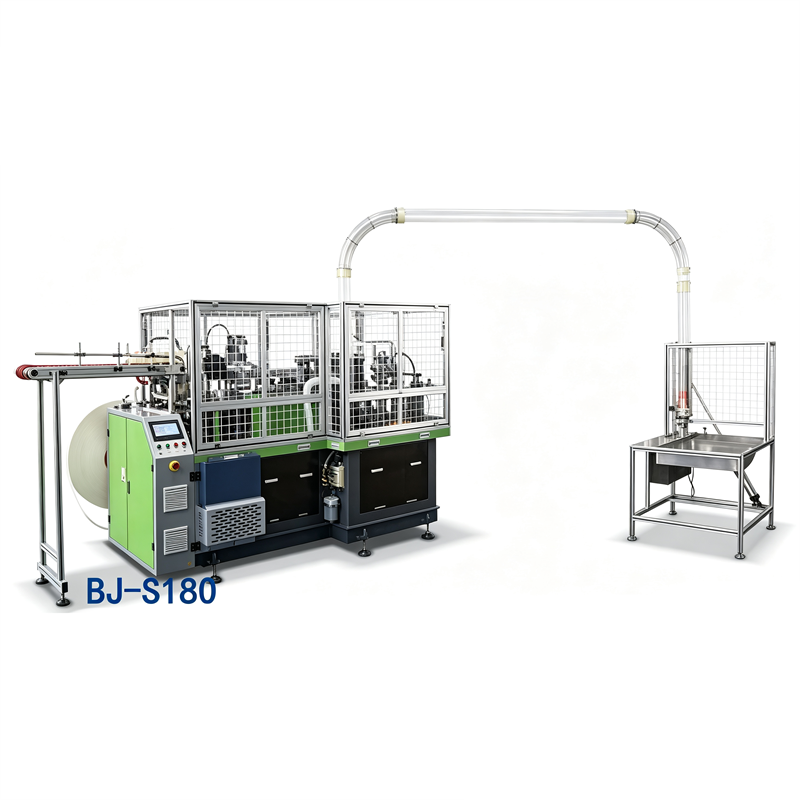
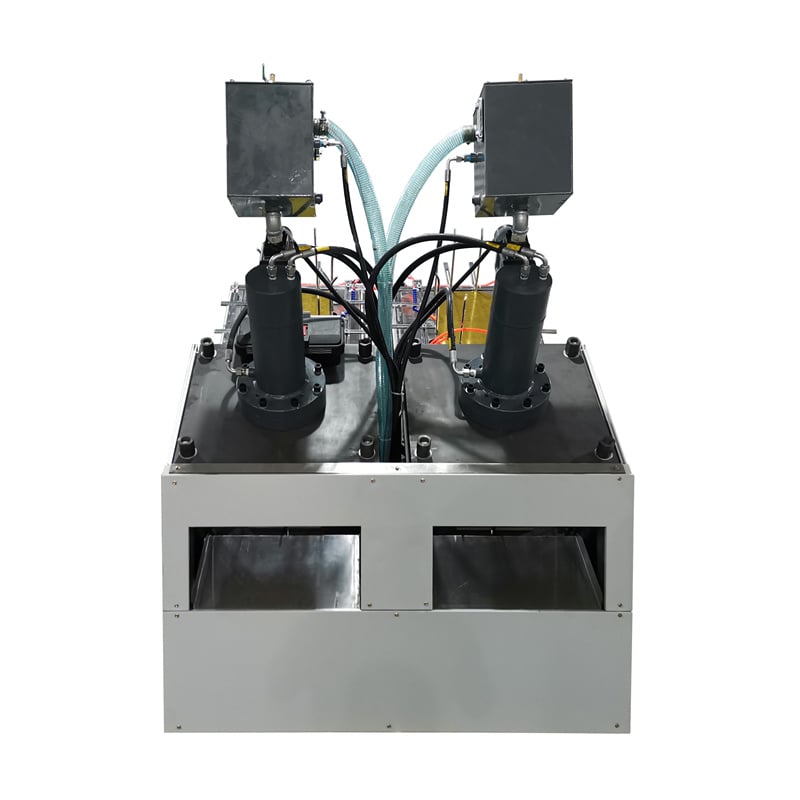
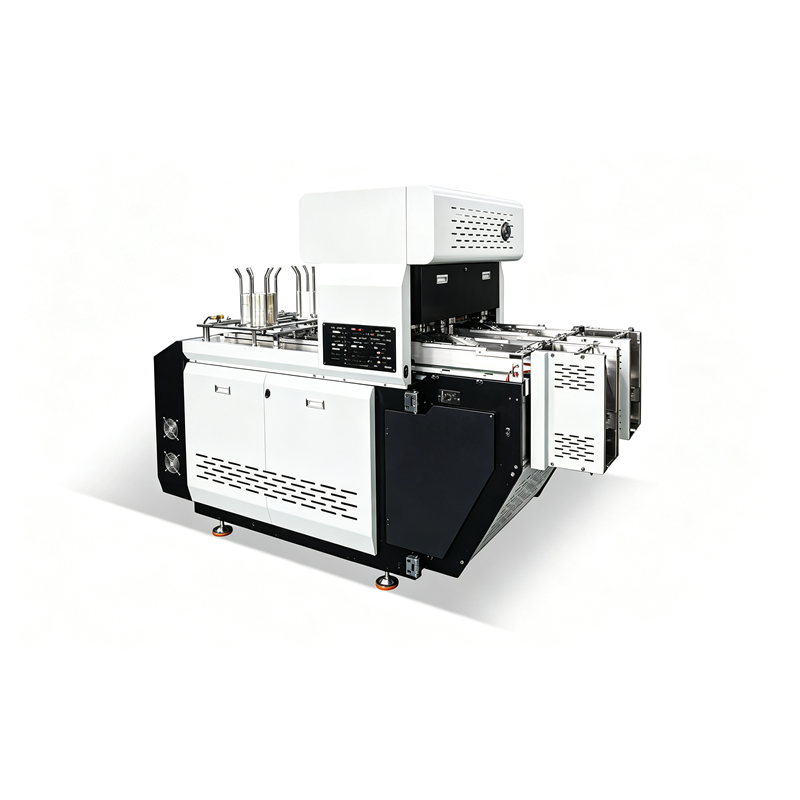
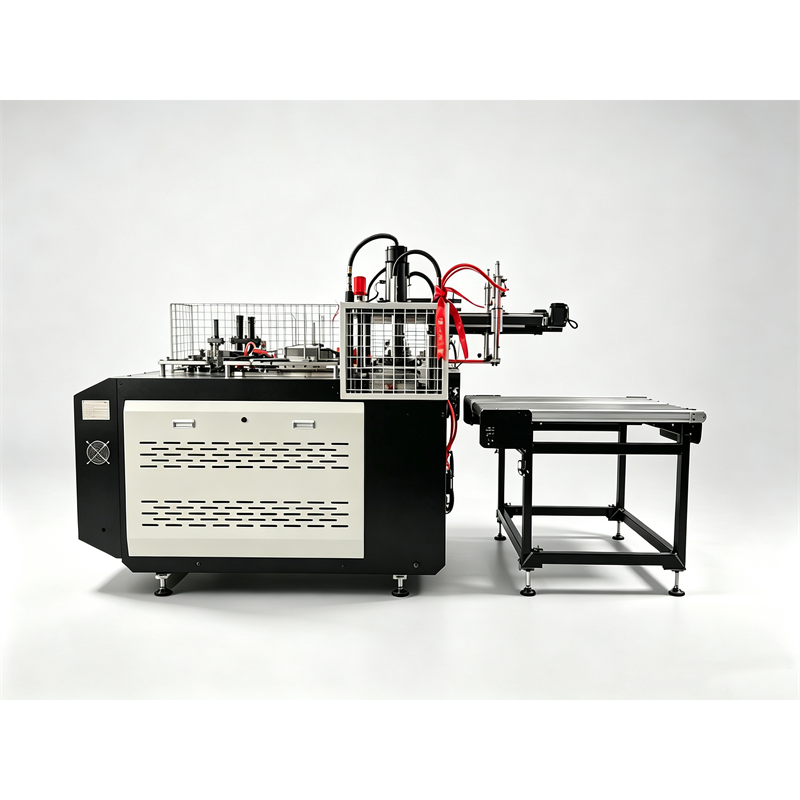
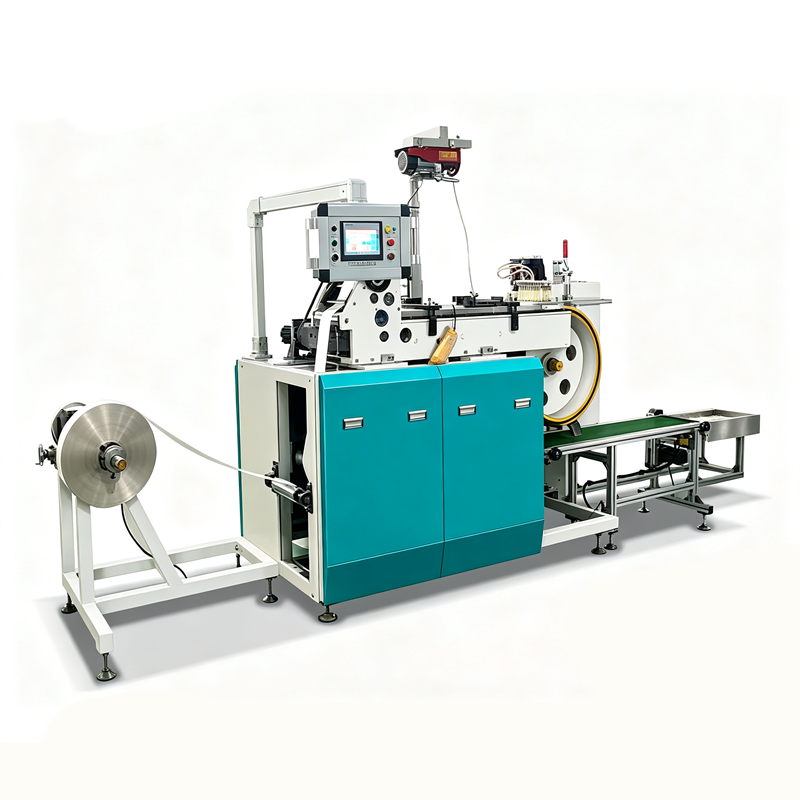
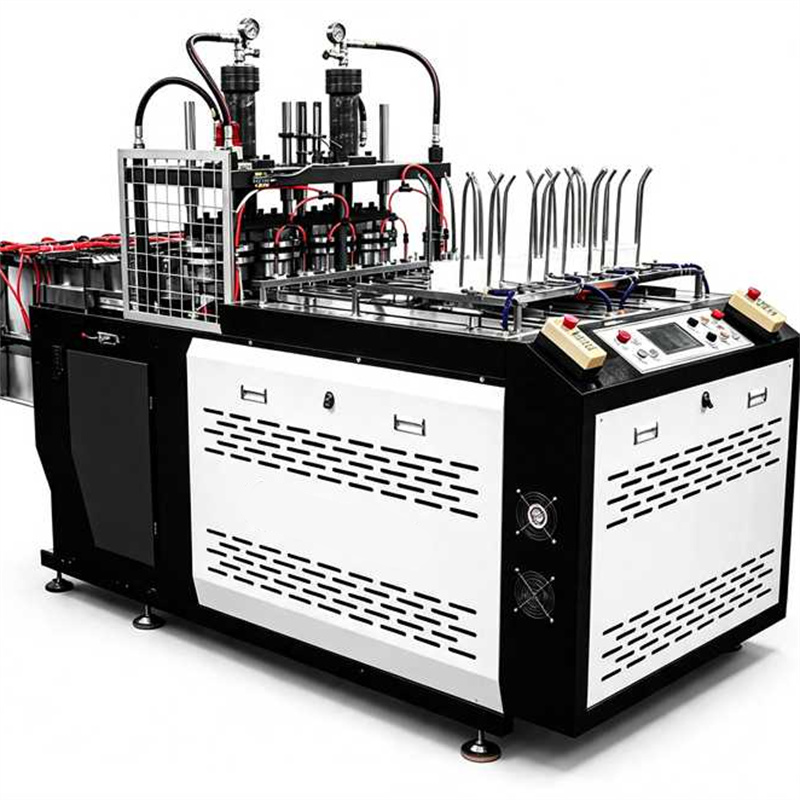
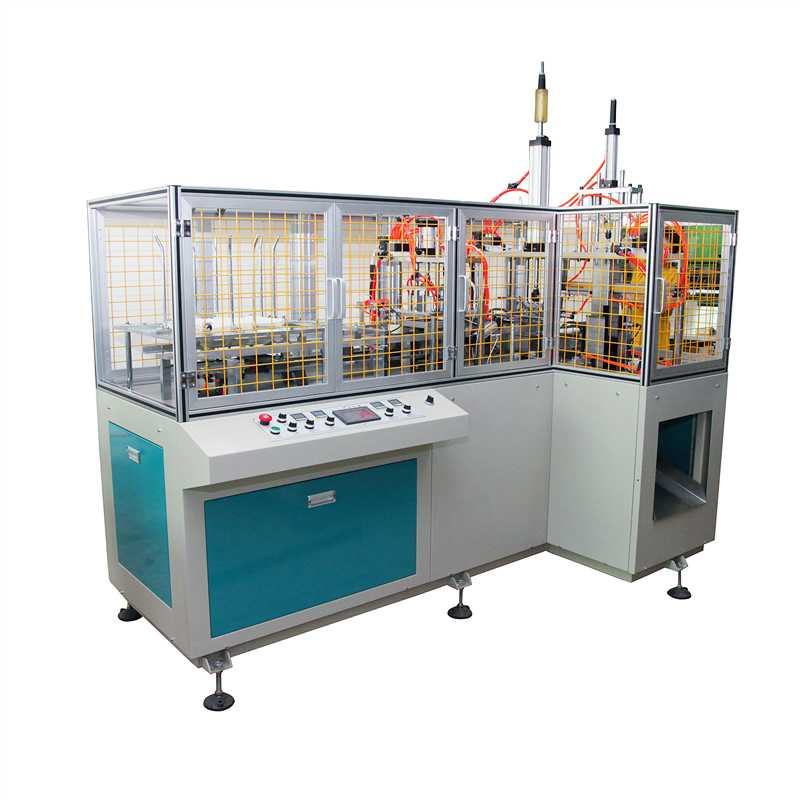
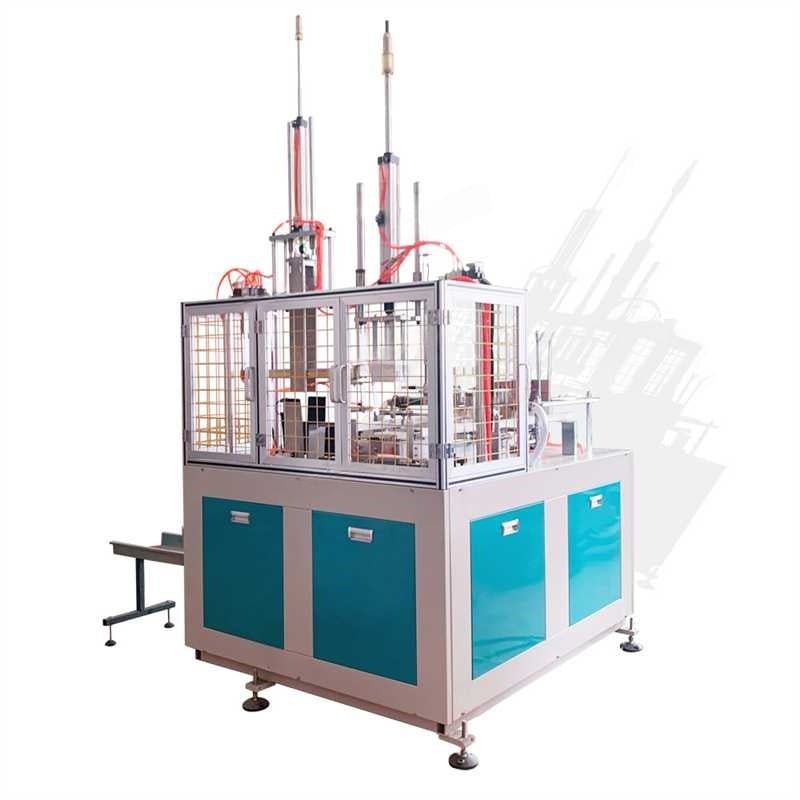
Automatic die cutting and creasing  machines are essential  tools in the manufacturing of  various products, particularly in the production of  paper containers. These machines are designed  to  cut and crease  materials efficiently,  ensuring precise dimensions and clean edges, which is crucial for  maintaining  product quality. For B2B buyers, such as purchasing managers and engineers, the decision  to invest in an automatic die cutting and creasing machine involves  several considerations, including specifications, quality, cost, and installation requirements. This  article aims to provide comprehensive  guidance on  selecting the  right machine  to  meet your  operational needs.

 
Key Specifications to Consider for Die Cutting Machinery Purchases

Key Specifications to Consider for Die Cutting Machinery Purchases

When evaluating automatic die cutting and creasing  machines, several key specifications should be closely  examined:

Cutting Width and Length:  These dimensions determine the maximum size  of the  materials you can process. Ensure that the machine can accommodate your largest  products.


Speed: Measured in strokes per minute  (SPM), speed is critical for meeting production targets.  A higher speed can significantly improve efficiency but should be balanced with the quality of the cut.

Pressure: The cutting pressure affects the  machine’s ability to cut  through various material thicknesses. Ensure the machine has  enough pressure to handle your specific materials  without  compromising quality.

Control System: Modern machines often come with digital controls that allow for precise adjustments and monitoring. Look for user-friendly  interfaces that  simplify operation.


Safety Features: Ensure the machine  includes necessary safety features such as emergency stops and protective covers to safeguard  operators.

Buyers should confirm these specifications based on  their intended applications to ensure compatibility and performance.

Evaluating Quality in Automatic Die Cutting and Creasing Machines

Evaluating Quality in Automatic Die Cutting and Creasing Machines

Quality is paramount when investing in die cutting and creasing  machinery. Begin  by  examining  the machine's build quality; a  robust frame will reduce vibrations and improve cutting  accuracy.  Look  for  machines with high-quality components, such as precision blades and  reliable  motors,  which can enhance longevity and performance. Additionally, consider  the manufacturer's quality  control  processes. A reputable manufacturer will provide documentation of testing procedures  and certifications that validate the machine's performance  standards. Before finalizing a  purchase, request references or case studies from other customers who use the same machine to gain insights  into reliability  and operational performance.

For those interested in expanding their production capabilities, a Paper cup making machine could be an excellent addition to complement die cutting operations.

Cost Factors to Consider When Buying Die Cutting Machinery Wholesale

Cost Factors to Consider When Buying Die Cutting Machinery Wholesale

The total cost of an automatic die cutting and creasing machine  extends beyond the initial purchase price. Buyers  should consider several cost factors:

Initial Investment: Compare prices from different suppliers, keeping in mind that higher costs may reflect better  quality  or  more advanced features.


Operating Costs: Evaluate the energy  consumption of the machine and the maintenance requirements. Machines that are energy-efficient  and require less frequent maintenance can lead to lower long-term costs.


Customization Costs: If you require specific features  or modifications, factor in  additional costs for customization. Ensure that  you understand what is included in  the quoted price  and any potential hidden fees.

After-Sales Support: Consider the cost associated with after-sales service. A manufacturer that  offers extensive support, including troubleshooting and maintenance services, can save you money in the  long run.

Shipping and Installation Fees: Don't overlook the costs  related to shipping the machine to your location and any installation services required.


Understanding these factors will help you make a  more  informed purchasing decision.

Installation Guidance for Optimal Use of Die Cutting Equipment

Proper installation is crucial for  the performance of automatic die cutting and creasing machines. First,  ensure that the installation site meets all space and electrical requirements. The  machine should be placed  on a level surface  to prevent vibration during operation, which can lead to  inaccuracies.

Next,  follow the manufacturer's guidelines for  installation closely. This may involve assembling various components correctly and conducting initial calibrations. It’s advisable to have trained personnel oversee the installation to facilitate proper setup and avoid common issues that could affect performance.

Once installed, conduct a  series of  test runs  with various materials to ensure the machine functions correctly and meets your  production requirements. Monitoring these initial operations can  help identify any adjustments needed before full-scale production begins.


By following these  guidelines, B2B buyers can confidently choose, evaluate,  and install automatic  die  cutting  and creasing machines that align with their operational needs, ensuring efficiency and quality  in their manufacturing processes.

How to Choose the Right Automatic Die Cutting and Creasing Machine

Selecting  the right automatic die cutting and creasing machine starts with understanding your specific production needs. Consider factors  such  as the types of materials you will  be processing—whether cardboard,  paper,  or other substrates—and the  sizes of the products to be produced. Additionally,  evaluate  the  machine's capabilities for handling  different thicknesses and weights of materials. For example, if your production involves various types of packaging, you might also be interested in a Eco-friendly paper meal box machine for sustainable options.


It’s also important to assess production volume requirements. High-volume operations may benefit from machines that offer faster  speeds and larger cutting areas, while smaller  operations might find compact models more cost-effective. Finally, think about customization options; many manufacturers,  like  Wenzhou  Unitely  Machinery, offer OEM/ODM services that allow  you to tailor the machine to  your unique specifications.

Get a Free Quote

Our representative will contact you soon.
0/1000