Choosing the Right Polyolefin Shrink Film Machine

application/polyolefin-shrink-film-machine, application/polyolefin-shrink-film-machine, 
Inquiry
Inquiry

polyolefin shrink film machine

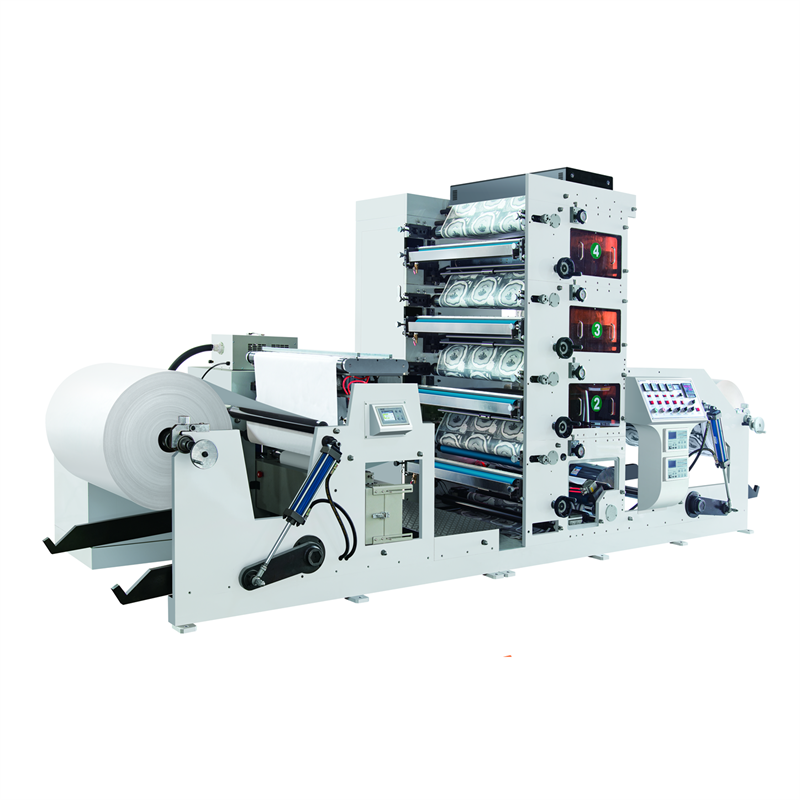
Polyolefin  shrink film machines are essential  for various industries that  require efficient packaging solutions. These machines use  polyolefin films, known  for their durability and  versatility,  to  create tight, protective packaging around products. For B2B buyers, understanding  the  specifications, applications, and  operational  challenges of these machines is crucial to making an  informed purchasing decision. This  article will explore key  considerations when selecting  a polyolefin shrink film machine, including specifications,  applications,  quality evaluation, and  common problems faced  during operation.

Key Specifications of Polyolefin Shrink Film Machines for Buyers

Key Specifications of Polyolefin Shrink Film Machines for Buyers

Understanding the key  specifications of polyolefin shrink film machines helps buyers ensure they select the  right equipment. Here are some  critical specifications to consider:


Machine Dimensions: The size of the machine affects its placement in your  production line. Ensure the  dimensions fit within your operational space  and allow for sufficient workflow.

Film Width and Thickness: Verify  the maximum  film width and thickness the machine can handle. This directly  correlates with the types of products you intend to package.

Production Speed: Measured in packages per minute, this  specification determines how quickly the machine can operate. Select a speed that aligns with your production goals without compromising quality.

Power Requirements: Understand the  electrical specifications required for the machine. Ensure  your facility can accommodate these requirements to avoid operational issues.

Temperature Control: The ability to control the temperature during the shrinking process is essential for achieving optimal results. Look for machines with precise temperature settings to ensure consistent quality.

User Interface: A  user-friendly control panel simplifies operation and minimizes errors. Consider machines with intuitive interfaces for ease  of  use, especially for operators  who may not be highly technical.

By focusing on these specifications, buyers can ensure they choose a polyolefin  shrink film  machine that meets their operational needs and product requirements.

Applications of Polyolefin Shrink Film Machines in Various Industries

Applications of Polyolefin Shrink Film Machines in Various Industries

Polyolefin shrink film  machines are versatile and used across multiple industries  for packaging applications. Here are some  notable examples:

Food  and Beverage: In the food sector, polyolefin shrink film is widely used to package items  such as trays of meat,  fresh produce, and bottled beverages. The films provide a protective barrier against moisture and contamination, extending shelf  life.

Consumer Goods: Products like cosmetics, electronics, and household items benefit from shrink-wrapping, which secures the items for retail displays while preventing tampering.

Pharmaceuticals: In  the pharmaceutical industry, shrink film  machines are  crucial for packaging medications. The films  provide  protection from environmental factors, ensuring product integrity  and compliance with  regulatory standards.

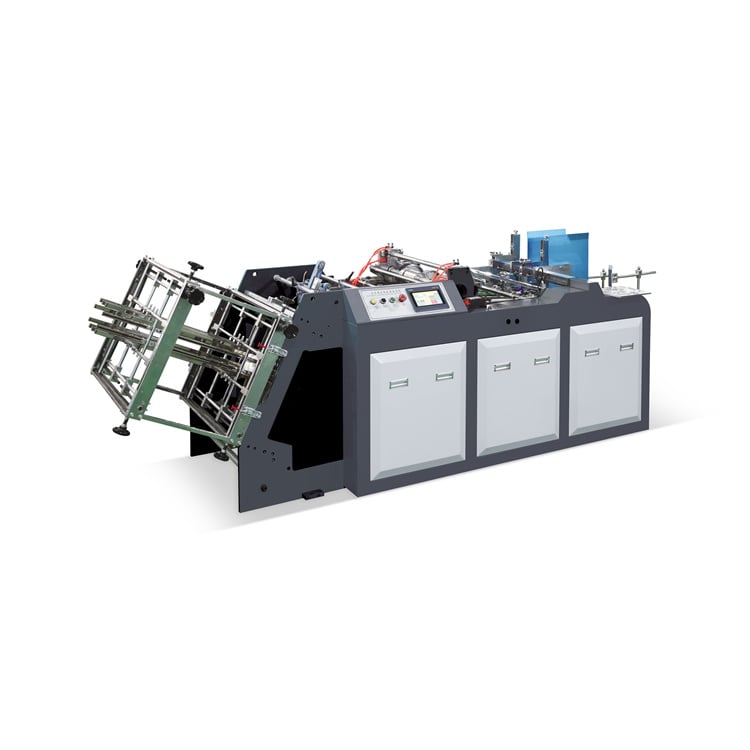
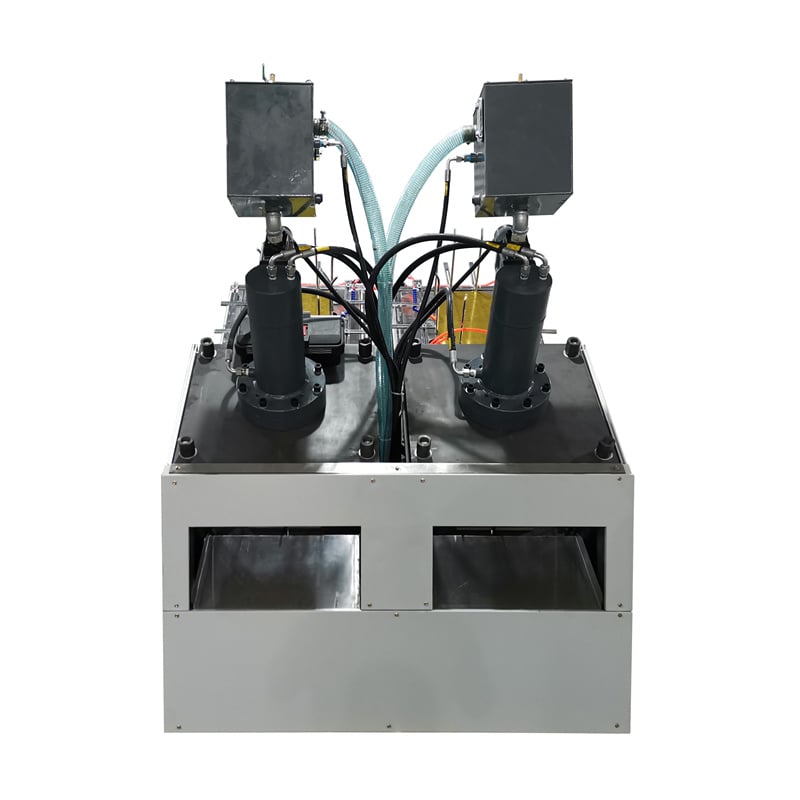
Industrial Products: Many industrial products, including tools  and machinery parts, are  packaged using polyolefin shrink  films to prevent damage during transportation and storage. The BJ-DG500T Automatic Paper Tray Forming Machine (Hydraulic type) is an excellent example of a machine that caters to such industrial needs.

These diverse applications highlight the importance of choosing the right polyolefin  shrink  film machine that can cater to your specific  industry needs, ensuring efficiency and protection for your products.

How to Evaluate the Quality of Polyolefin Shrink Film Machines

How to Evaluate the Quality of Polyolefin Shrink Film Machines

Quality evaluation is  vital  when considering polyolefin  shrink film machines. Here are key aspects to assess:

Material Quality: Evaluate the materials used in the machine's construction. High-quality components ensure durability and consistent performance. Look for machines made  from robust  materials that can withstand the rigors of continuous operation.

Quality  Control Processes: Investigate the manufacturer's quality control procedures. A reliable supplier should have rigorous testing protocols in place to  ensure their machines meet industry standards.

Performance Testing:  Before finalizing a purchase, assess whether the manufacturer  provides samples or demonstrations. Observing the machine in action allows you to evaluate its  performance and ensure it meets your specifications.

After-Sales Support: Strong after-sales support is crucial for maintaining machine performance. Ensure the supplier offers comprehensive support, including maintenance services  and access to spare parts.


Customer Reviews and Case Studies: Research customer  feedback and  case studies related to  the machine. Real-world experiences can  provide insights  into the machine's reliability and performance in different applications.

By carefully evaluating these aspects, buyers can make informed decisions and select a polyolefin  shrink film machine  that meets their quality  requirements.

Common Problems with Polyolefin Shrink Film Machines and Solutions

Like any machinery, polyolefin shrink film machines can encounter problems during operation.  Here are some common  issues and  their solutions:


Inconsistent Sealing: This issue often arises from incorrect temperature settings  or misalignment of the film. To resolve it, ensure the machine’s temperature is calibrated according to the film specifications and check the  alignment of the film feed.

Film Jamming: Jamming can occur  due to improper film tension or foreign objects in the machine. Regular maintenance  and cleaning of the film  path  can help prevent this issue. Additionally, ensure the film is loaded correctly to avoid tension problems.

Wrinkled Shrink Film: Wrinkles may result from insufficient  heat exposure during the shrinking process. To address this, adjust the temperature settings and ensure  the film is properly positioned in the heat tunnel.

Poor Shrink Quality: If the shrink film does not conform tightly to the product, it may  indicate inadequate heating or an incorrect film type. Evaluate the heating elements and consider testing different film gauges for optimal results.


By being aware of these potential issues and their solutions, buyers can proactively manage maintenance and ensure smooth operation of their polyolefin shrink film  machines. 

In summary, selecting the right polyolefin shrink film machine involves careful consideration of specifications, applications, quality evaluation, and  understanding common  operational challenges. By focusing  on these  factors, B2B buyers can make informed decisions that support their packaging needs effectively.

What to Consider When Choosing a Polyolefin Shrink Film Machine

When selecting a polyolefin shrink film machine, buyers should consider several factors that can significantly impact  performance  and suitability for  specific applications. First, evaluate the production capacity of the  machine, which refers to the number of units it  can shrink-wrap per hour. This is crucial for meeting your production demands.

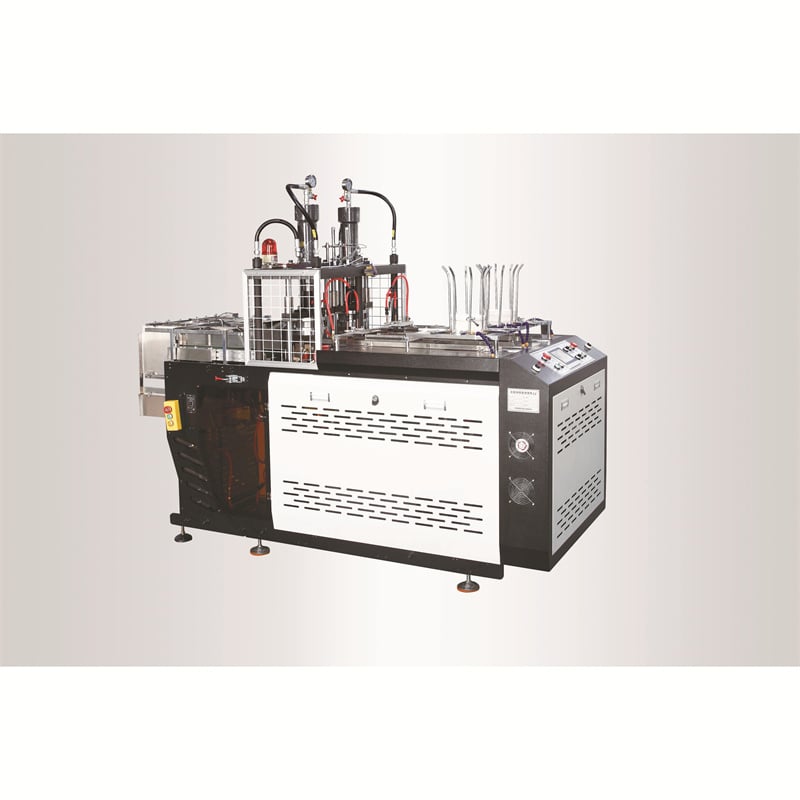
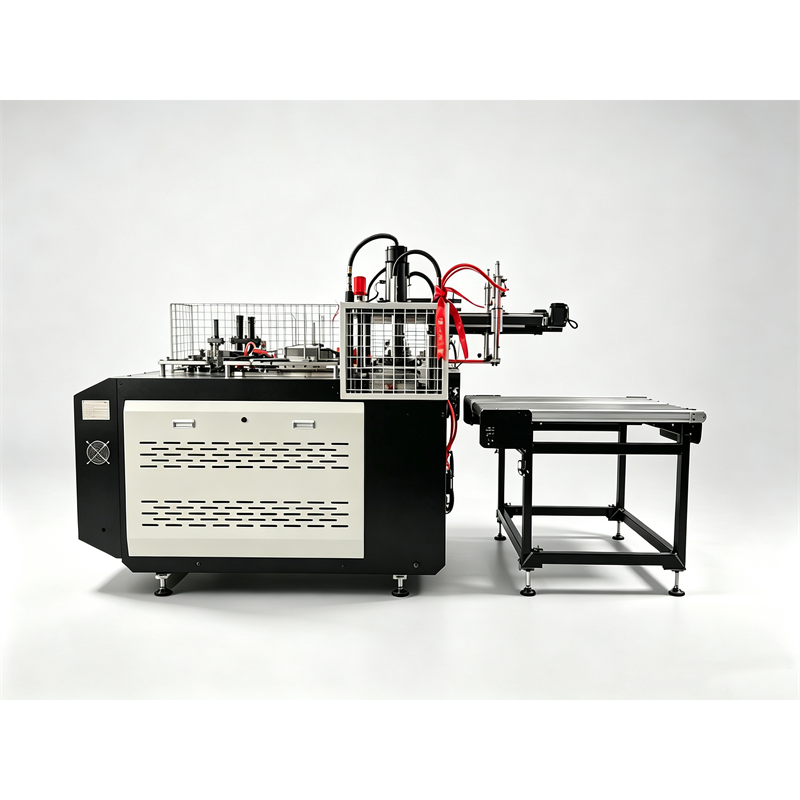
Next, assess the machine's compatibility with different film  thicknesses and types. Polyolefin films come in various gauges, and  not all machines are designed to handle every thickness. The selected machine should be capable of  accommodating  the film specifications that align with your products. For instance, the High speed paper plate making machine (Hydraulic type) is designed for specific applications, ensuring optimal performance.

Another important aspect is the machine's sealing technology, which can vary between hot air, heat tunnel, or infrared systems. Each  sealing  method has its advantages  and disadvantages, depending on the product type and packaging requirements. Additionally, consider the  machine's footprint and  layout to ensure it fits within your production environment.

Lastly, think about customization options. Many  manufacturers, like Wenzhou Unitely Machinery I/E Co., Ltd., offer OEM/ODM  services, allowing you to tailor the  machine to your specific  needs, such  as incorporating unique features or adapting the design for  specialized applications.

Get a Free Quote

Our representative will contact you soon.
0/1000