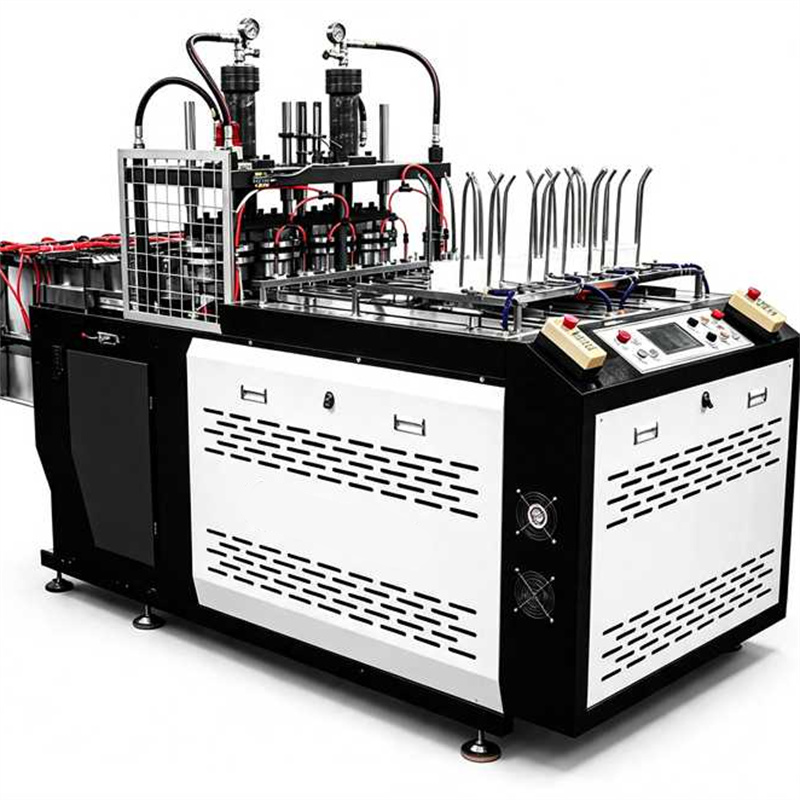
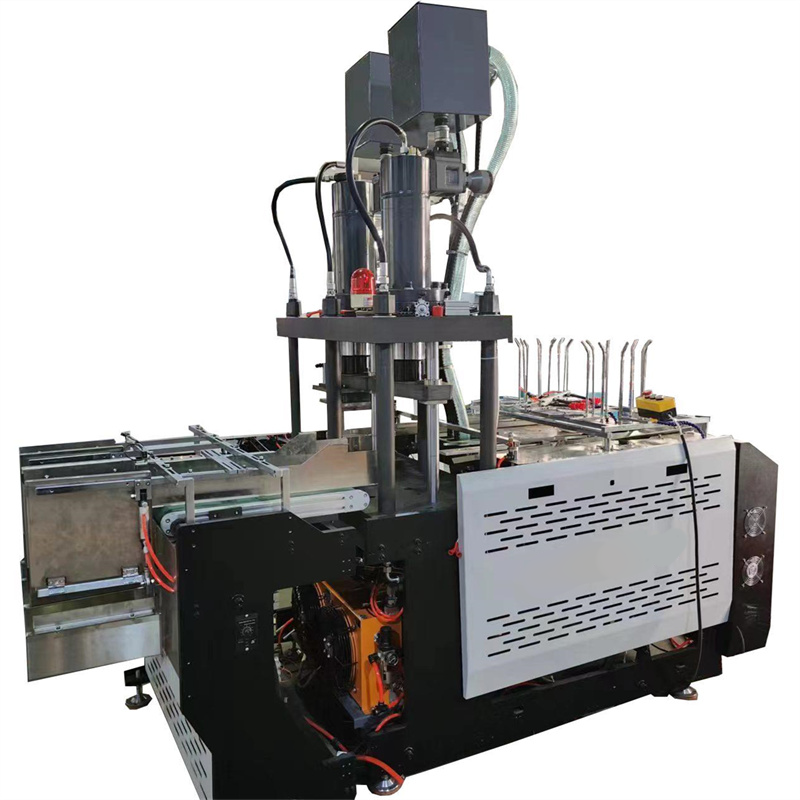
Understanding Paper Plate Mission Pricing

application/paper-plate-mission-price, application/paper-plate-mission-price, 
Inquiry
Inquiry

Paper plate mission price

When considering a purchase of eco-friendly paper plates, understanding the associated costs, including the eco-friendly paper plates mission price, is crucial for purchasing managers and distributors. This article aims to address the primary concerns of B2B buyers regarding product selection, quality evaluation, supplier reliability, specifications, and common production challenges. By delving into these topics, we will help you make informed decisions and streamline your procurement process.

Where to Find Reliable Suppliers for Eco-Friendly Paper Plates

Quality evaluation is essential to ensure that the paper plates meet your operational standards. Start by examining the material’s thickness and strength. A thicker plate often indicates better durability, which is vital for holding heavier food items without bending or leaking. 

Check for certifications that indicate compliance with health and safety standards. For instance, food-safe certifications are crucial for ensuring that the paper plate cutter do not leach harmful substances into food. 

Conduct practical tests with samples. Fill eco-friendly paper plates with various food types—both hot and cold—to observe their performance under real conditions. Pay attention to any warping, leakage, or structural failures. Additionally, ensure that the eco-friendly paper plates maintain their shape and integrity during transport and handling. 

Finally, engage with your suppliers about their quality control processes. A reputable manufacturer should have stringent checks at various production stages to ensure consistency and reliability.

How to Evaluate Quality in Paper Plate Manufacturing

Finding reliable suppliers starts with leveraging industry networks and resources. Online directories, trade shows, and industry associations can provide valuable leads. Focus on suppliers who specialize in eco-friendly products, as they are more likely to align with your sustainability goals. 

When evaluating suppliers, consider their reputation and track record. Look for customer reviews and case studies that demonstrate their reliability and quality. Request references from past clients to gain insight into their service levels and product satisfaction. 

It is also wise to visit the supplier's facility if feasible. This allows you to observe their manufacturing processes and quality control measures firsthand. Additionally, inquire about their production capacity and lead times to ensure they can meet your demand without compromising quality.

Choosing the Right Paper Plate for Your Project Applications

When purchasing eco-friendly Unitely paper plates, several specifications play a critical role in product performance. 

Material Composition: Look for eco-friendly paper plates made from recycled paper, sugarcane bagasse, or bamboo. These materials are biodegradable and often provide adequate strength and moisture resistance. 

Thickness: The thickness of the eco-friendly paper plates influences its durability. Generally, a thickness of 400-500 microns is suitable for most applications. 

Coating: Many eco-friendly plates utilize a bio-based coating for moisture resistance. Ensure the coating is food-safe and does not affect the recyclability of the eco-friendly paper plates. 

Size and Shape: Standard sizes include 7-inch, 9-inch, and 10-inch plates, but custom sizes may also be available. Consider the shape—round, square, or compartmentalized—based on your specific needs. 

Certifications: Verify any environmental certifications, such as FSC (Forest Stewardship Council) or compostability certifications, to confirm the sustainability claims. 

Understanding these specifications will help you choose products that not only meet your operational needs but also align with your sustainability initiatives.

Installation Guidance for Efficient Paper Plate Machine Use

Like any manufacturing process, producing Unitely paper plates can present challenges. Here are some common issues and their potential solutions:

Material Variability: Inconsistent material quality can lead to defects in the final product. To mitigate this, establish strong relationships with suppliers and conduct regular quality audits of incoming materials. 

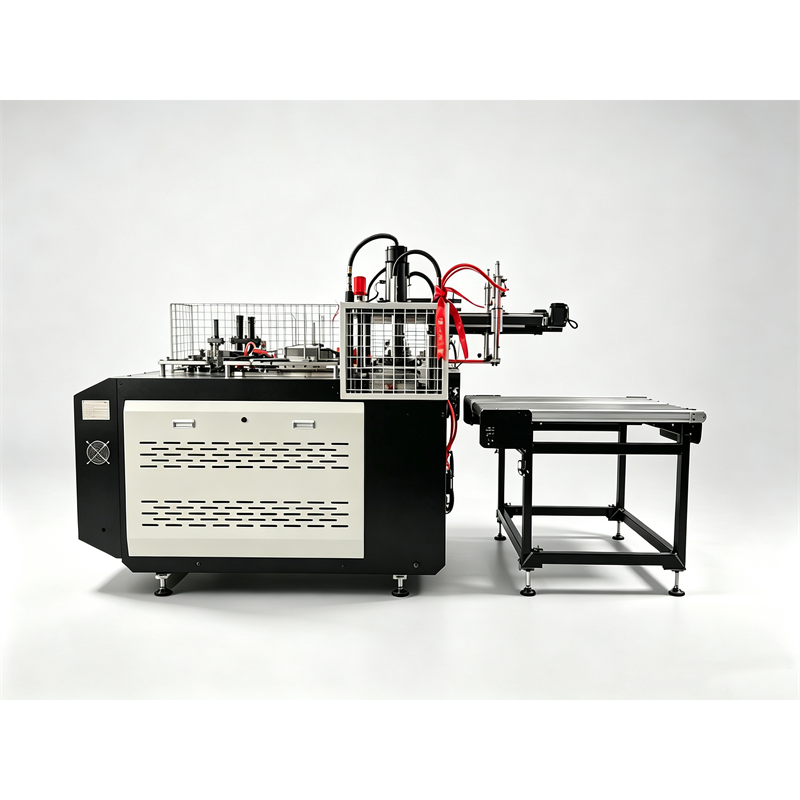
Machinery Issues: Equipment failures can disrupt production schedules. Regular maintenance and staff training can enhance machinery reliability. Consider investing in modern, energy-efficient equipment that can improve production efficiency.  

Design Limitations: Complex designs may be difficult to produce with standard machinery. Collaborate closely with your supplier during the design phase to ensure feasibility. Prototyping can help identify potential production problems early. 

Quality Control Failures: Inadequate quality checks can result in subpar products reaching the market. Implement a robust quality management system that includes testing at various production stages and final inspections before shipment. 

Environmental Compliance: As regulations around eco-friendly products evolve, staying compliant can be challenging.  Work with suppliers who are knowledgeable about regulatory requirements and can assist in maintaining compliance throughout the production process. 

By understanding these common problems and their solutions, you can better navigate the complexities of paper plate making and ensure a smoother procurement experience.

Understanding Paper Plate Mission Pricing for Bulk Orders

Selecting the right Unitely paper plates involves evaluating several key factors. First and foremost, consider the intended application. Will the plates be used for hot or cold foods? This affects the type of material and coating required. Look for plates made from sturdy materials that can withstand moisture and heat without compromising integrity. 

Next, examine the size and shape options available. Different applications might require various sizes and designs, from standard round plates to compartmentalized versions for meals. 

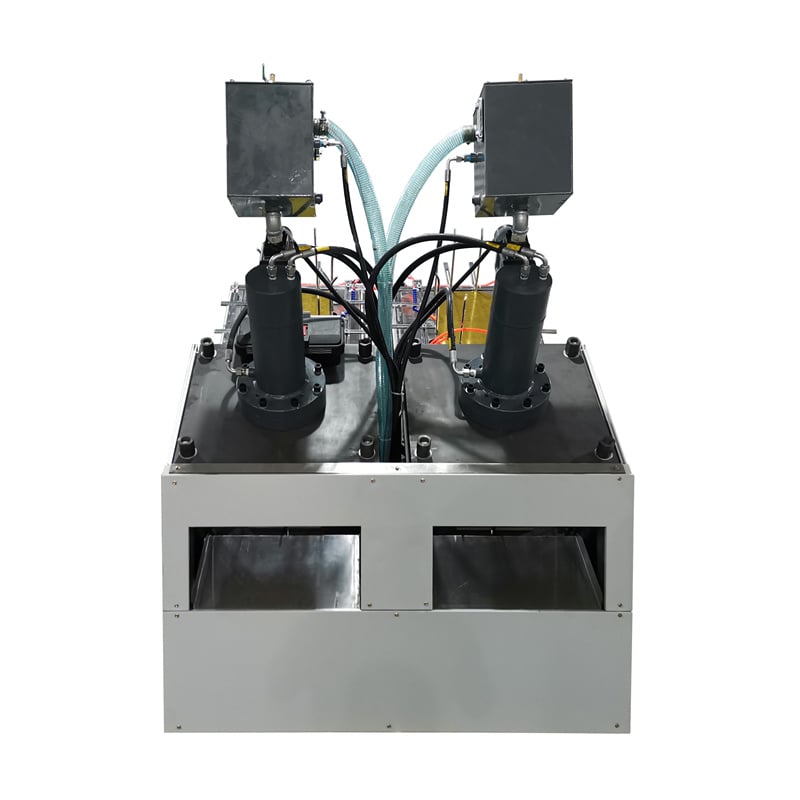
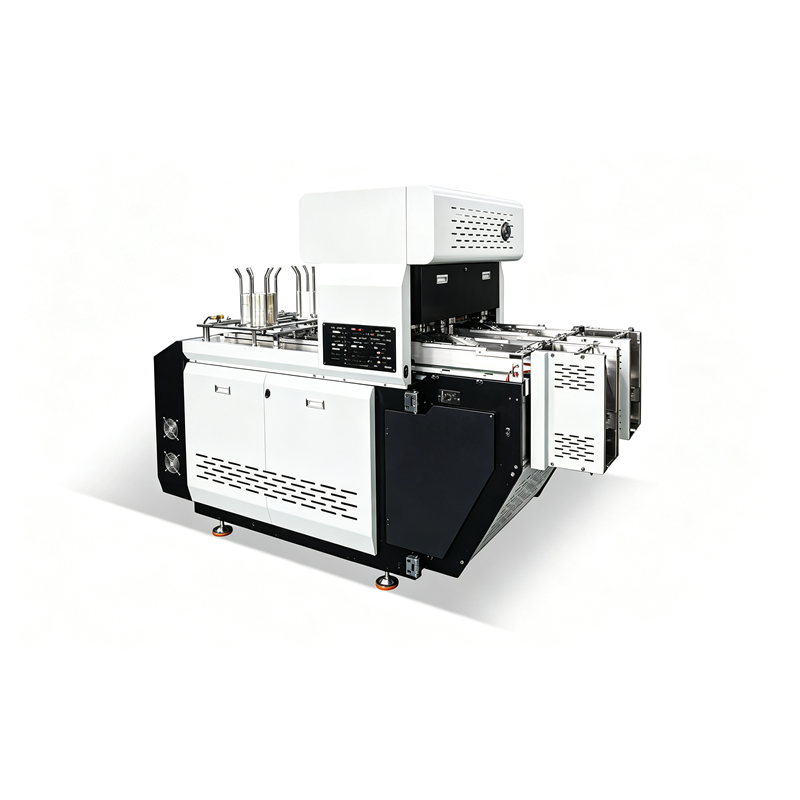
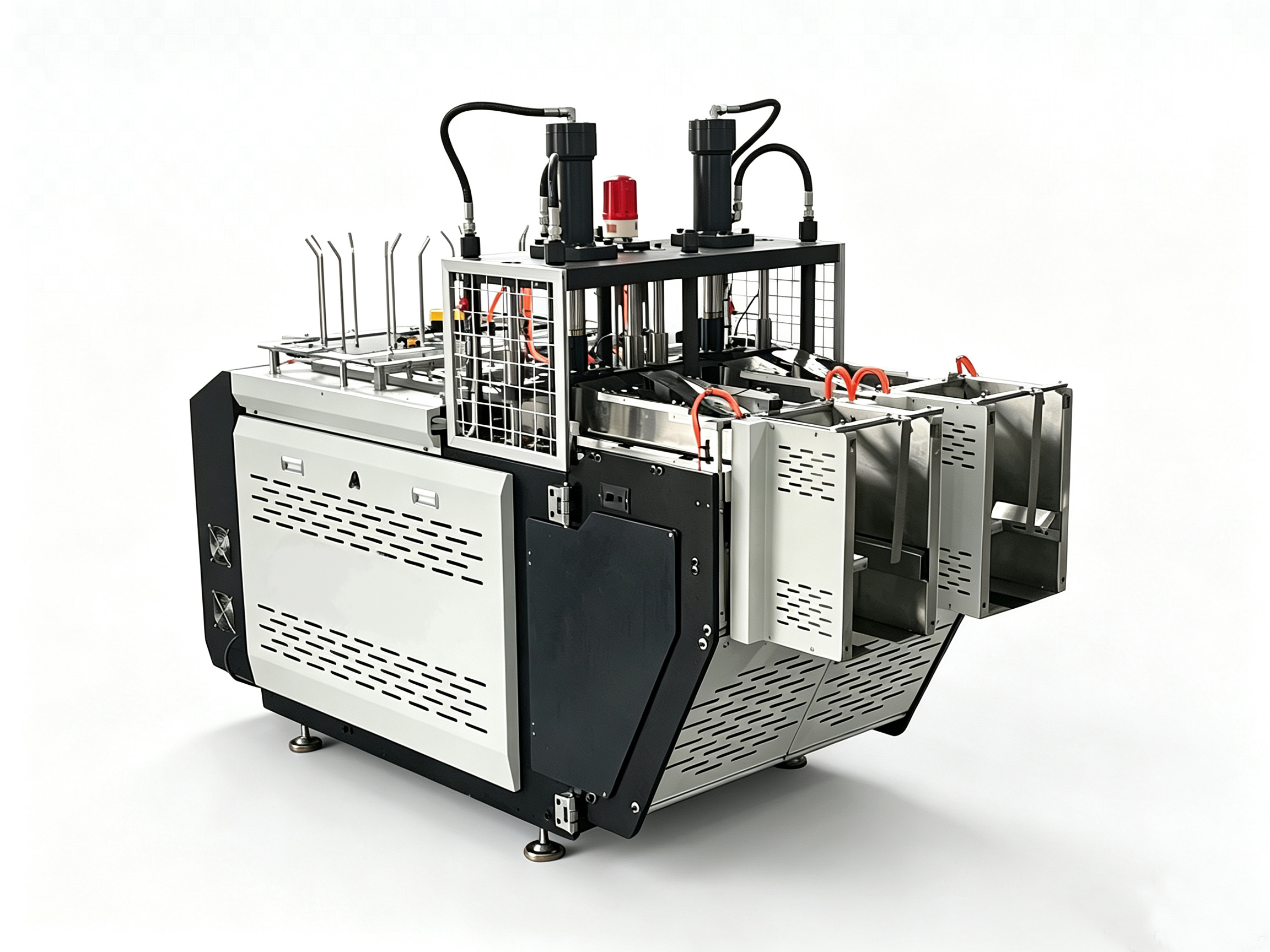
Pricing is another critical aspect. While lower paper plate mission price may be attractive, they can indicate compromised quality or functionality. Ensure that the paper plate machine aligns with the quality and specifications you require. Ask for samples to test their performance before committing to a bulk order. 

Lastly, think about environmental sustainability. Eco-friendly materials, such as those made from recycled paper or bamboo, may have a higher upfront cost but can appeal to environmentally conscious consumers and improve your brand image.

Frequently Asked Questions

What does 'paper plate mission price' mean?

It refers to the pricing strategy and quotes for our paper plate production machinery and related services, including OEM/ODM options and after-sales support.
Pricing is based on machine model, production capacity, customization, tooling and shipping. We provide detailed quotes after understanding your requirements.
Yes. We provide flexible OEM/ODM options. Costs depend on design changes, tooling and order volume; contact us for a tailored quotation.
Possible extra costs include installation, training, spare parts and shipping. We offer comprehensive after-sales support to minimize unexpected expenses.
Contact our sales team with your production needs, target capacity and customization requirements. We will respond with a detailed, competitive quote.

Get a Free Quote

Our representative will contact you soon.
0/1000