Key Considerations in Paper Plate Making Business

application/paper-plate-making-business, application/paper-plate-making-business, 
Inquiry
Inquiry

Paper plate making business

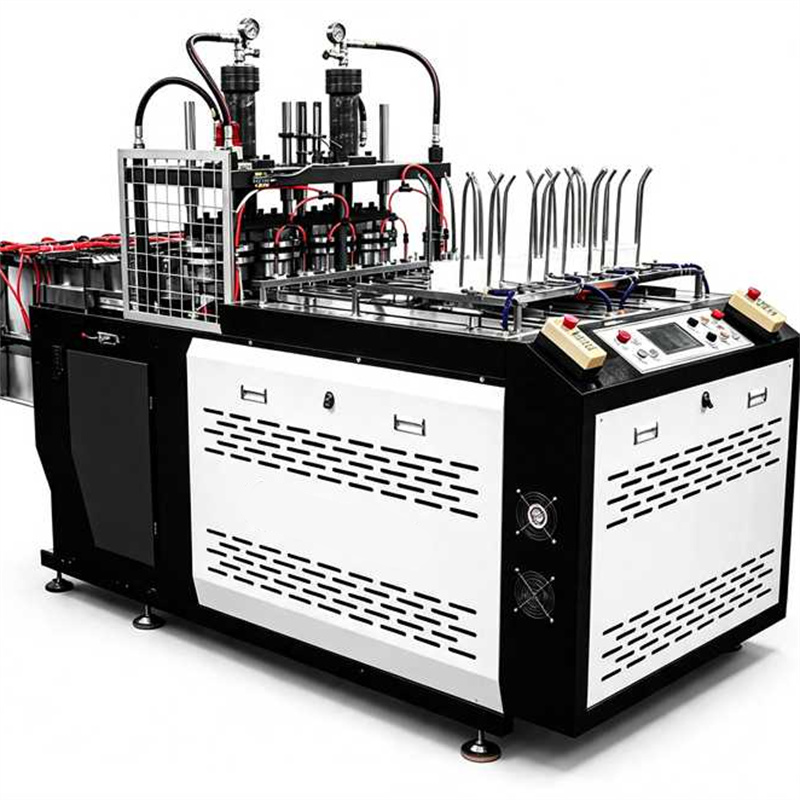
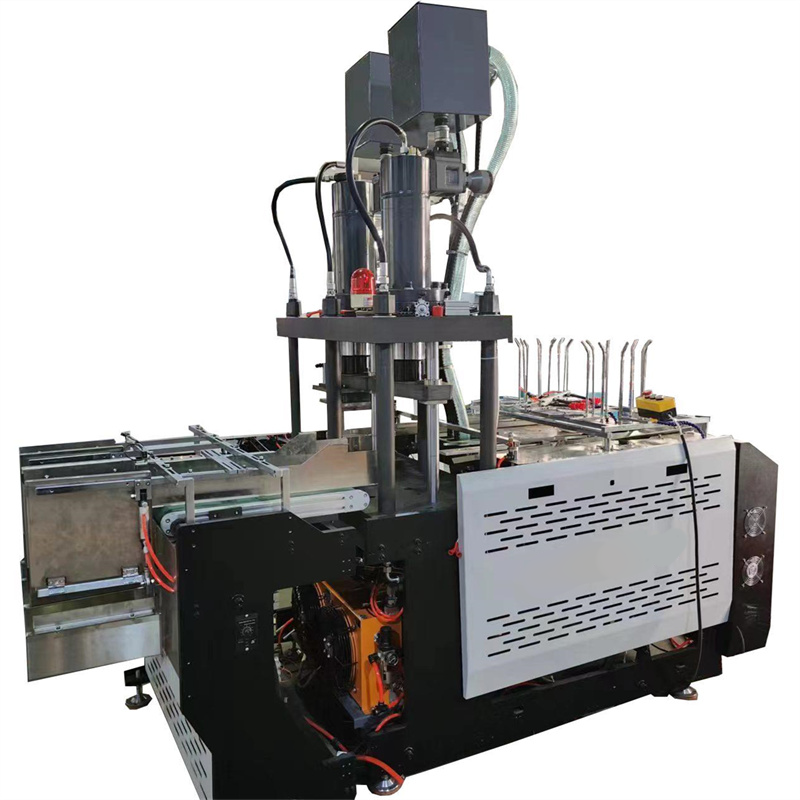
The paper plate making business has gained significant traction as eco-friendly alternatives to plastic become increasingly sought after. For B2B buyers, particularly purchasing managers and distributors, understanding the intricacies of sourcing the right machinery is essential. This article will delve into key considerations in the paper plate machine price process, including quality control standards, cost factors, supplier sourcing, applications in various industries, and installation guidance for machinery—all critical for making informed purchasing decisions. 

Cost Factors to Consider When Sourcing Paper Plate Machinery

When entering the paper plate making business, several cost factors must be evaluated to make sound purchasing decisions. Initial investment costs can vary significantly based on the type of machinery, its production capacity, and additional features such as automation and customization capabilities. 

Factors influencing pricing include: 

Machinery Type: Semi-automatic machines are generally less expensive than fully automatic models, but the latter can significantly increase production efficiency. 

Production Capacity: Higher capacity machines may have a higher upfront cost but can lead to lower unit costs over time due to economies of scale. 

Customization Requirements: If specific features or designs are needed, customization can add to the cost. It is crucial to define requirements clearly to avoid unexpected expenses. 

Maintenance and Operational Costs: Understanding ongoing costs associated with maintenance, energy consumption, and labor is essential for total cost assessment. 

Considering these factors will help potential buyers make informed decisions that align with their budget and production goals.

Where to Find Wholesale Paper Plate Making Equipment Suppliers

Finding reliable suppliers for paper plate making machinery is critical for the success of any business in this sector. Start by exploring industry-specific trade shows and exhibitions, which provide an excellent opportunity to meet manufacturers face-to-face and assess their machinery firsthand. Additionally, online marketplaces and industry directories can serve as valuable resources for identifying potential suppliers. 

When evaluating suppliers, consider the following criteria: 

Reputation: Research customer reviews and testimonials to gauge the reliability and quality of the supplier's equipment. 

Experience: Suppliers with extensive experience in the manufacturing industry are more likely to understand common challenges and provide effective solutions. 

Support Services: Look for suppliers that offer comprehensive after-sales support, including installation guidance, maintenance services, and readily available spare parts. 

Certifications: Verify that the equipment complies with industry standards and regulations, which can impact product quality and safety. 

By thoroughly vetting suppliers, buyers can ensure they partner with manufacturers that meet their specific needs and standards.

Applications of Eco-Friendly Paper Plates in Various Industries

Eco-friendly paper plates have a wide range of applications across multiple industries, making them a versatile product for manufacturers. They are commonly used in the food service industry, including restaurants, catering services, and food trucks, where they serve as disposable dinnerware that minimizes environmental impact. 

In addition to food service, these paper plate production in events and parties, schools, and healthcare facilities, where hygiene and convenience are paramount. Manufacturers should consider the specific requirements of each application, such as the need for grease resistance or moisture barrier properties, which can influence material selection. 

Furthermore, as consumer demand for sustainable products grows, industries are increasingly adopting Unitely paper plates as part of their eco-friendly initiatives. This trend not only opens avenues for sales but also encourages manufacturers to innovate and enhance product offerings.

Installation Guidance for Efficient Paper Plate Making Machinery

Proper installation of Unitely paper plate making machinery is vital for optimizing production efficiency and ensuring product quality. Buyers should consider several key aspects during the installation process: 

Site Preparation: Ensure that the installation area is adequately prepared to accommodate the machinery, including space for operation, maintenance access, and storage for raw materials and finished products. 

Technical Specifications: Review the technical requirements provided by the manufacturer, such as electrical connections, ventilation, and flooring stability, to avoid operational issues. 

Training: It is essential to train personnel on the machinery’s operation, maintenance, and safety protocols. This helps minimize downtime and reduces the likelihood of costly errors during production. 

Testing: After installation, conduct thorough testing to ensure the machinery operates as intended. This includes running test batches to verify product quality and making necessary adjustments. 

By adhering to these guidelines, buyers can facilitate a smooth installation process, paving the way for successful operation in the paper plate making business. 

Navigating the hydraulic paper plate machine involves careful consideration of quality control, cost factors, supplier sourcing, applications, and installation practices. By addressing these areas, potential buyers can make well-informed decisions that enhance their chances of success in this growing industry.

Evaluating Quality Control Standards in Paper Plate Manufacturing

Quality control is paramount in the Unitely paper plate making business, as it directly impacts product performance and customer satisfaction. Buyers should look for manufacturers that adhere to recognized quality control standards, such as ISO certifications. These standards ensure that the machinery used in production operates reliably and consistently produces high-quality products. 

Key aspects of quality control include the inspection of raw materials, monitoring of production processes, and the final assessment of finished products. For instance, the thickness and strength of the paper plates are crucial; if the paper is too thin, it may not hold the intended weight, leading to customer complaints and potential returns. Therefore, buyers should verify that the manufacturer conducts rigorous testing of materials and end products. This could involve checking for moisture levels, structural integrity, and resistance to bending or breaking. 

Moreover, it is advisable to request samples before mass production to ensure compliance with quality standards. This allows buyers to evaluate the final product's appearance and functionality against their specifications.

Frequently Asked Questions

What products does your paper plate making business offer?

We supply eco-friendly paper plate making machines and complete production lines, plus OEM/ODM services for customized paper container equipment to meet various capacity and design needs.
Yes. We offer flexible OEM/ODM services to customize machine specifications, molds, and branding to fit client production requirements and local standards.
We provide installation guidance, training, spare parts supply, remote troubleshooting, and timely technical support to ensure smooth long-term operation.
We serve global markets including Europe, the Americas, Asia, and Africa, and can adapt machines to meet local regulations and quality standards.
Through integrated manufacturing, quality-controlled components, rigorous testing, and experienced engineering to deliver durable, efficient, and eco-friendly paper plate equipment.

Get a Free Quote

Our representative will contact you soon.
0/1000