Wholesale Window Patching Machines for Efficient Production

application/window-patching-machine, application/window-patching-machine, 
Inquiry
Inquiry

window patching machine

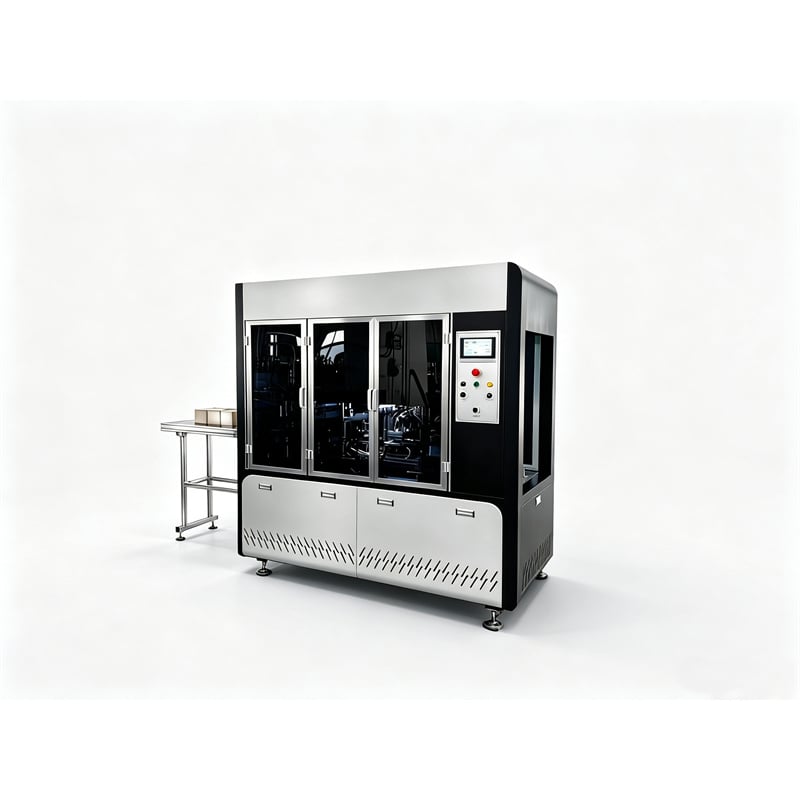
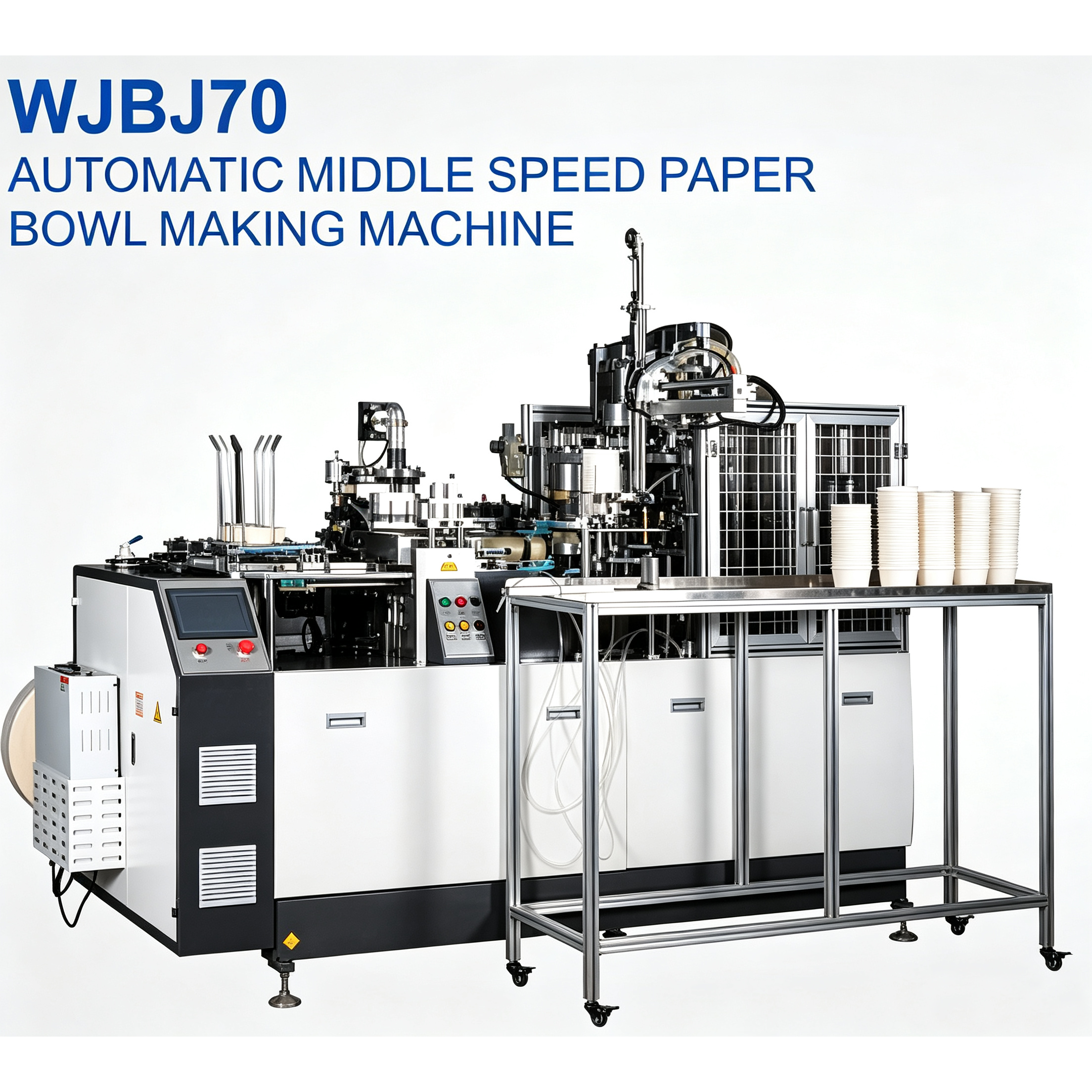
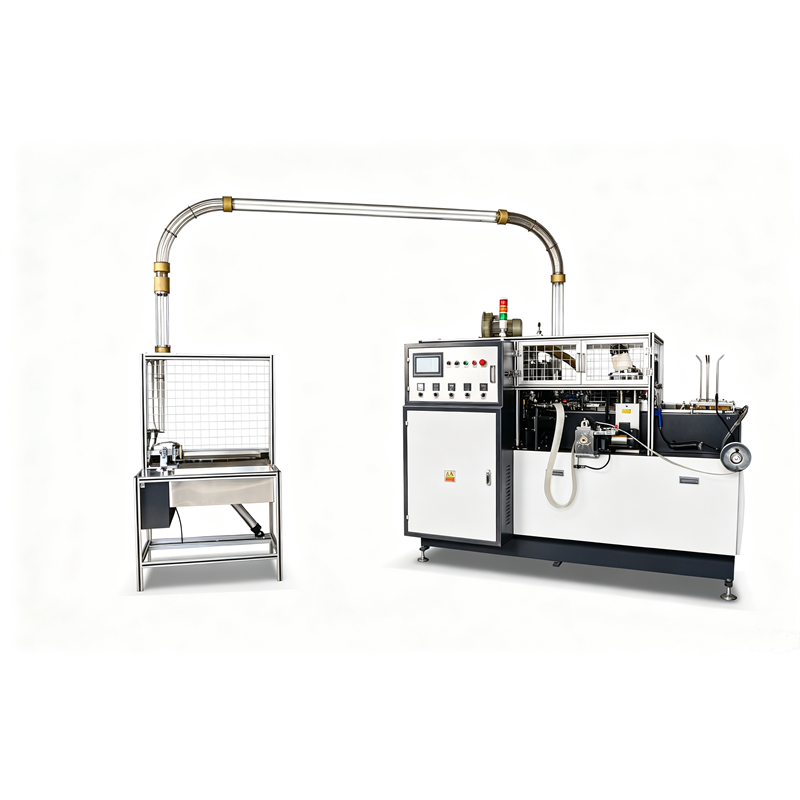
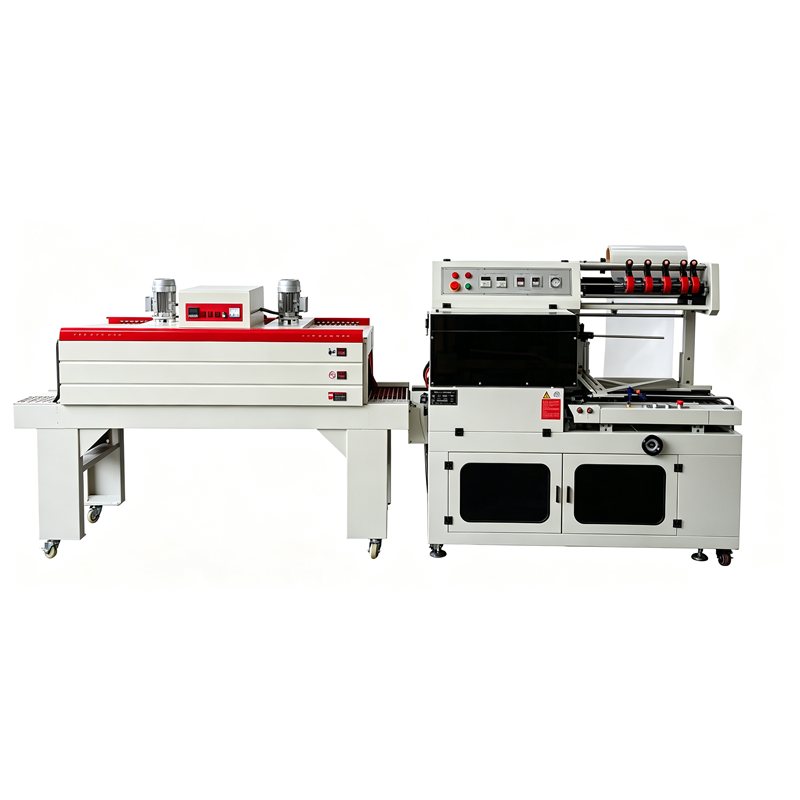
A window patching machine is  an  essential piece of equipment used in the manufacturing of paper containers, particularly for  producing high-quality packaging solutions.  These machines efficiently apply patches  or labels to windows in  boxes or cartons,  ensuring durability and a  professional  finish.  B2B buyers, such as purchasing managers and engineers, often have concerns about cost,  compatibility with existing  production lines,  installation, and operational  efficiency. This article  will  delve into the key factors to consider when investing  in  a window  patching machine, providing  valuable insights for making informed purchasing decisions.

Installation Guidance for Efficient Operation of Window Patching Machines

Installation Guidance for Efficient Operation of Window Patching Machines

Proper  installation is crucial for the efficient operation of window patching machines. Buyers should ensure that their facility meets the necessary requirements, including sufficient space, power  supply specifications, and proper  ventilation. Before installation, it's  advisable to  conduct a  thorough assessment of the site to identify any potential barriers to efficient machine operation.


Once the machine arrives, following the manufacturer's installation guidelines is essential.  This often includes setting  up the machine on a  stable surface, connecting  it to the appropriate power source,  and integrating it with  existing production lines. It's recommended to have skilled  technicians handle the installation to prevent errors  that could lead  to costly delays or operational issues.

After installation, conducting  a trial run can help identify any adjustments needed for optimal performance.  This phase is critical for ensuring that the machine operates smoothly  and meets the production specifications. Proper training for operators is also vital  to maximize the machine's capabilities and minimize potential errors during operation.

Common Problems with Window Patching Machines and Their Solutions

Common Problems with Window Patching Machines and Their Solutions

Window patching machines, like any industrial  equipment, can encounter  several common issues. One frequent problem is misalignment during the patching process,  which can lead to inconsistent application and waste. To  mitigate this, regular calibration and maintenance checks should be scheduled. Operators should be trained to recognize signs of  misalignment  and adjust the machine accordingly.


Another  issue is material  jams, often caused by improper loading of  the patches or incorrect material specifications. Ensuring that the materials used are  compatible with the machine and that  they are loaded correctly  can help prevent these jams. Regular cleaning of the machine's feed system can also reduce the likelihood of jams.

Lastly, wear and tear  on components  can affect machine performance. Buyers should discuss the  expected lifespan  of critical parts with the manufacturer and plan for regular  inspections and timely replacements. Keeping an inventory of essential spare parts can  further minimize  downtime and maintain production schedules.

Applications of Window Patching Machines in Various Industries

Applications of Window Patching Machines in Various Industries

Window  patching machines have versatile applications across several industries beyond packaging. In the  food sector, they  are  used for  creating visually appealing containers  that  enhance product presentation  while ensuring product safety. In the cosmetics and personal care industry, window patching helps brands showcase their products while maintaining a high-quality image.


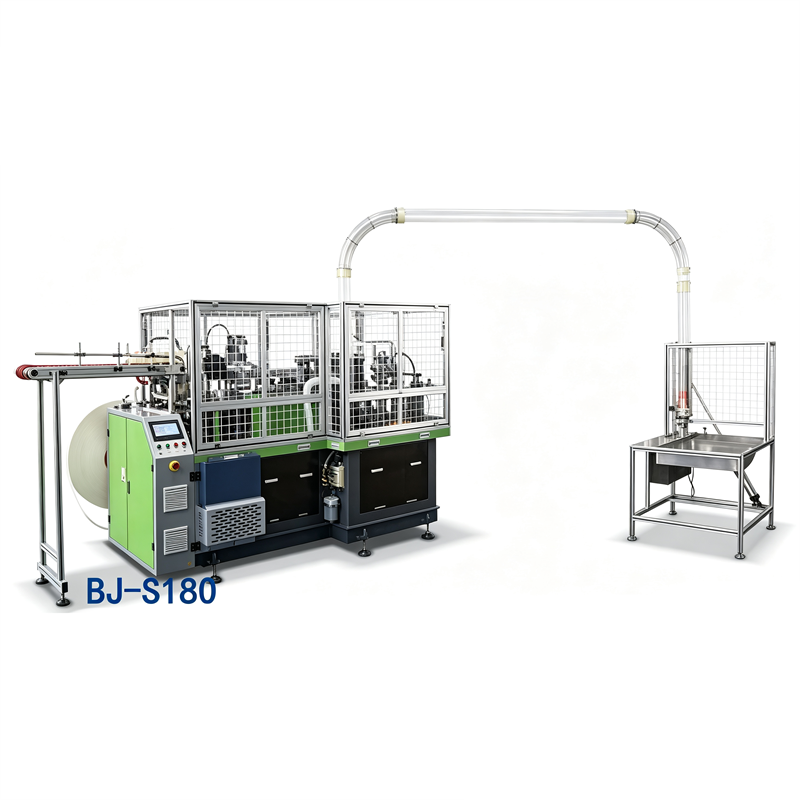
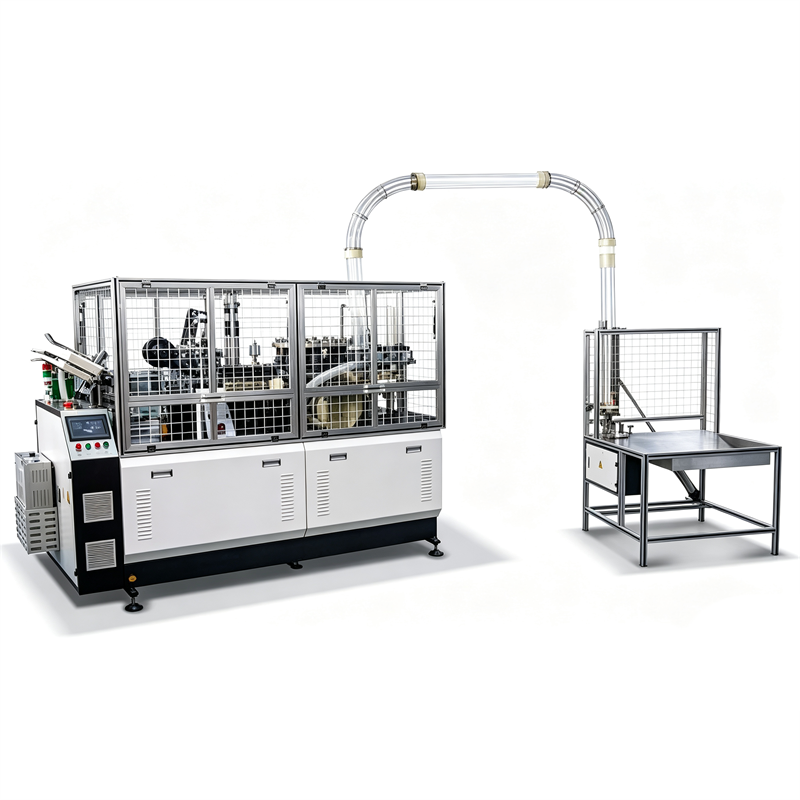
The  retail sector also benefits from window patching machines, as  they  allow for the  production of custom packaging solutions that meet specific branding requirements. Furthermore, industries  involved  in the healthcare sector use these  machines  for packaging medical supplies where maintaining sterility and visibility is crucial. For example, the BJ-S180 High Speed Paper Cup Forming Machine is widely used in the healthcare packaging sector.

When assessing potential applications, buyers should consider their specific industry needs. Customization options, such as specific dimensions or materials, can enhance the machine's usability across  different product lines.  Understanding these applications will enable buyers to select machines that align closely with their  operational goals.

Comparing Different Models of Window Patching Machines for Best Value

When comparing different models of window patching machines, several  key specifications should be evaluated. First, consider the  machine's  production capacity,  as this will directly affect output  rates. Buyers should assess their production volume needs to determine the appropriate  machine size and speed.

Next, examine the machine's features, such as versatility in handling various material types and sizes. Some models may offer advanced  functions,  such as digital controls for precise adjustments, which can enhance production efficiency.  Assessing ease of use and maintenance requirements  is also crucial, as machines  that are simpler to operate and maintain can save time  and reduce operational costs.

Another critical factor is the manufacturer's reputation. Buyers should research customer feedback and case studies to gather insights about the reliability and  performance of different models. Engaging with suppliers to discuss customization options and after-sales support can also provide a clearer  picture of the value each model offers.

when considering a window patching machine, buyers should take into account cost factors, installation requirements, common operational issues, industry  applications,  and model comparisons.  This comprehensive understanding will empower purchasing managers  and engineers to  make informed decisions  that align with their production needs.

Cost Factors to Keep in Mind for Wholesale Window Patching Machines

When evaluating  the cost of wholesale window patching machines, several factors  come into play. First, the initial purchase  price can vary significantly  based on the machine's specifications and features. Basic models may be more affordable,  but they might lack the capabilities needed for high-volume production or advanced functions like multi-format patching.

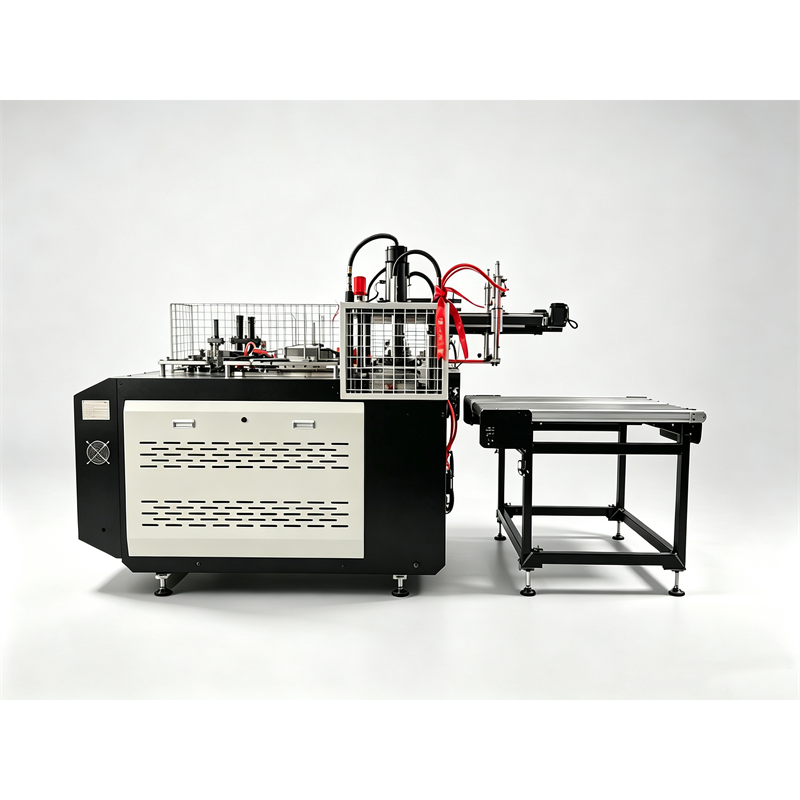
Another cost consideration is the total cost of  ownership, which includes operational  expenses such  as maintenance, energy consumption, and labor. Machines that are energy-efficient may  have a higher upfront cost but can lead to  savings in the long run. Additionally, the availability of replacement parts and the manufacturer's support can impact ongoing  costs. Buyers should inquire  about warranties and service agreements, as these can provide  assurance against unexpected expenses and downtime. For instance, the BJ-CHL Automatic Paper Box Forming Machine Heating Type is known for its reliability and efficiency, making it a worthwhile consideration.

Lastly, it's essential to  consider  the machine's  compatibility with the  existing production setup. If modifications are needed for installation, these costs should be factored into the overall budget. Understanding these cost  elements can  help buyers make a  more informed financial decision.

Get a Free Quote

Our representative will contact you soon.
0/1000